


Table of contents
- What Are THC Drinks? Understanding Cannabis Beverages
- How Alcohol Works: Understanding Traditional Alcoholic Beverages
- THC Drinks vs Alcohol: Key Physiological Differences
- Are THC Drinks Healthier Than Alcohol? A Health Comparison
- Do THC Drinks Have Alcohol? Clarifying the Confusion
- Beer With Weed: Understanding Combined Products
- Comparing Effects: Thc Drink vs Alcohol Experience
- Addiction Potential: Thc Alcohol Comparison
- Long-Term Health Consequences: THC Vs Alcohol
- Consumer Trends: Why People Choose THC Drinks Over Alcohol
- Frequently Asked Questions
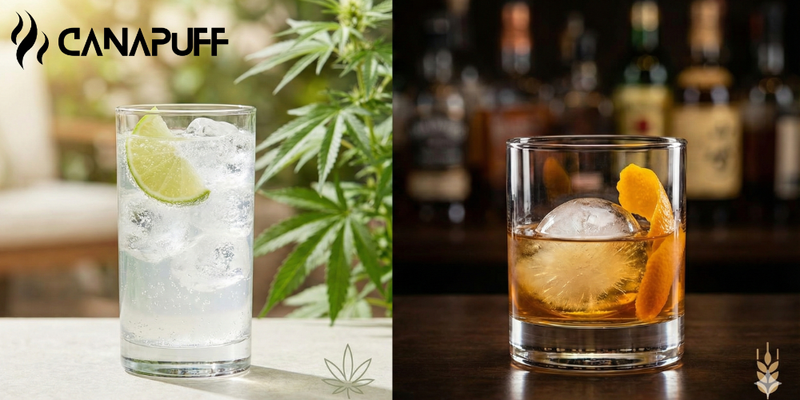
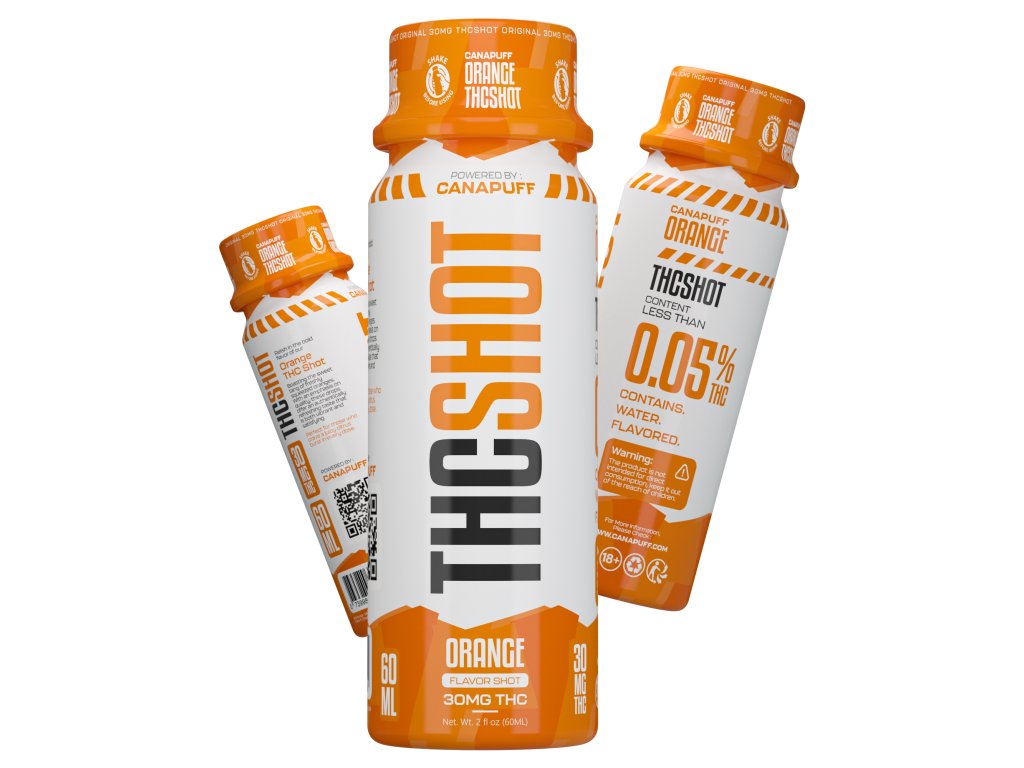
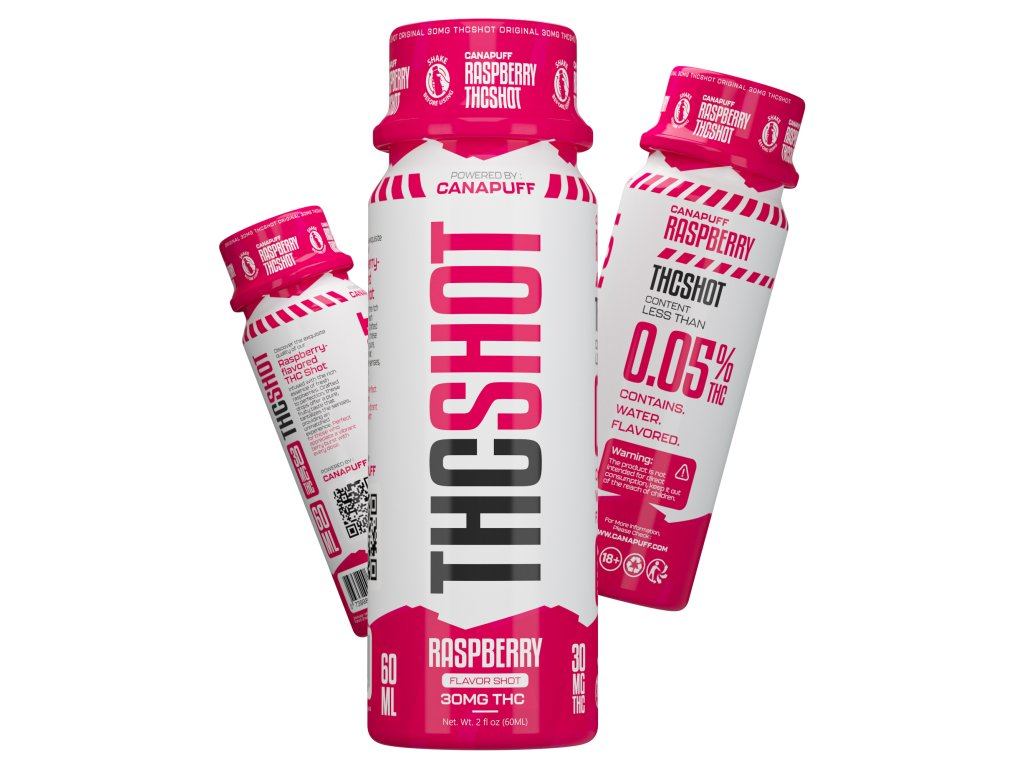
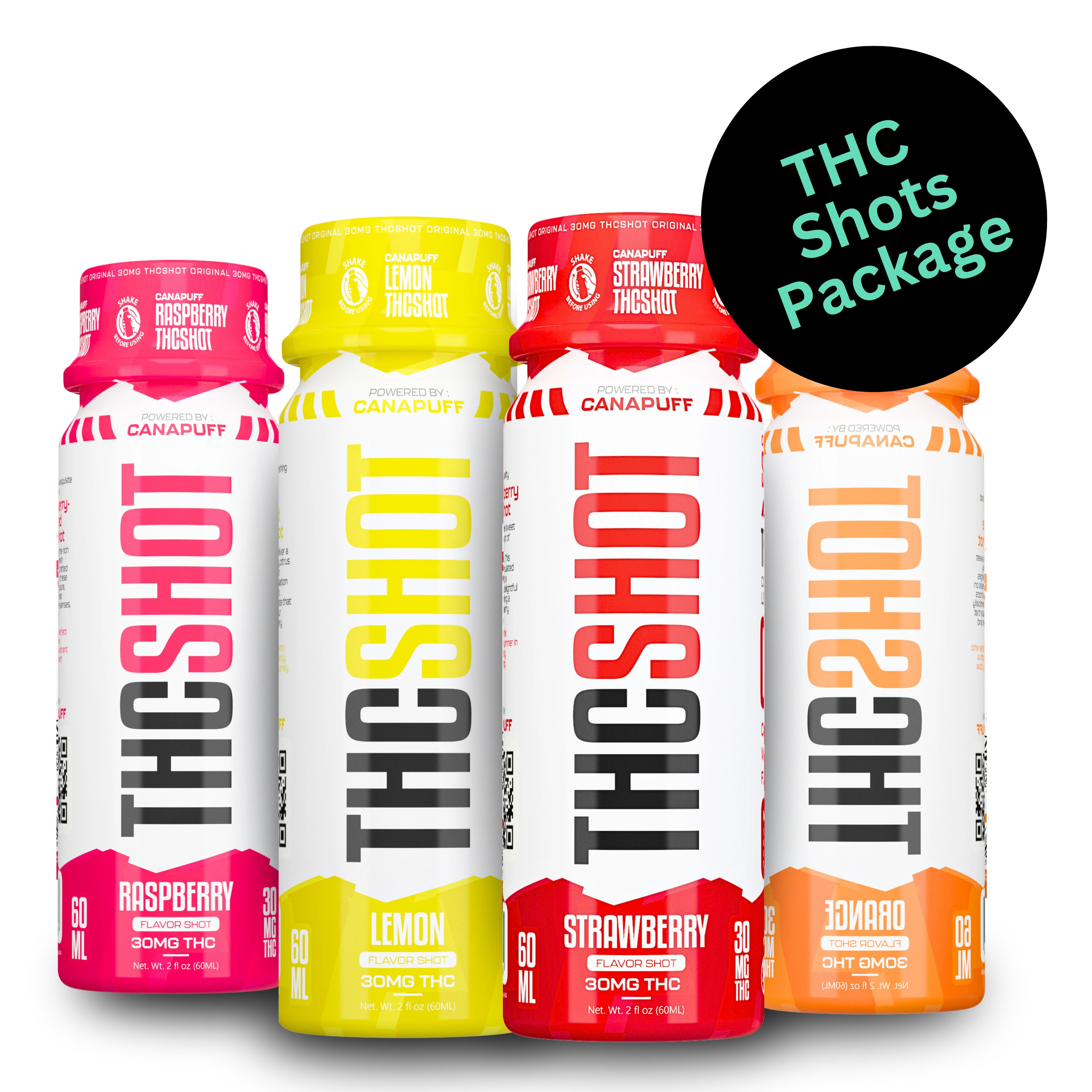
Comparing THC drinks vs alcohol reveals fundamental differences in how these substances affect the body, their health implications, and their long-term consequences. THC drinks represent cannabis-infused beverages designed to produce psychoactive effects similar to alcohol consumption, yet they operate through completely different physiological mechanisms. Understanding whether thc drinks are healthier than alcohol requires examining onset times, duration, addiction potential, and documented health risks. Recent consumer trends show that many individuals are replacing alcohol with THC beverages, as our THC Shots with nearly 77% of cannabis drink consumers reporting reduced alcohol intake. The debate around thc alcohol comparison has shifted as legalization expands access to alternative beverages, prompting consumers to evaluate whether beer with weed elements or pure THC drinks offer meaningful advantages over conventional alcohol.
This comparison examines the biological, health, and practical differences between these substances, allowing informed decisions about consumption choices.
What Are THC Drinks? Understanding Cannabis Beverages
THC drinks are beverages infused with tetrahydrocannabinol, the psychoactive compound in cannabis. These products typically contain precise milligram measurements of THC, often ranging from 2.5mg to 20mg per serving, designed to produce predictable effects.
How THC Drinks Work
When consumed, THC enters your digestive system and travels to the liver, where it converts to 11-hydroxy-THC-a compound significantly more potent than the original THC. This conversion explains why edible cannabis products, including THC drinks, often produce more intense and longer-lasting effects than smoked cannabis. The body processes THC differently than alcohol, with absorption taking 30-90 minutes before peak effects occur.
Types of THC Beverages Available
Modern THC drink options include:
- Traditional sodas and soft drinks infused with THC
- Energy drinks with cannabis compounds
- Sparkling water beverages with precise THC dosing
- Coffee and tea products containing THC
- Sports drinks and recovery beverages
- Alcoholic beverages combining both THC and alcohol
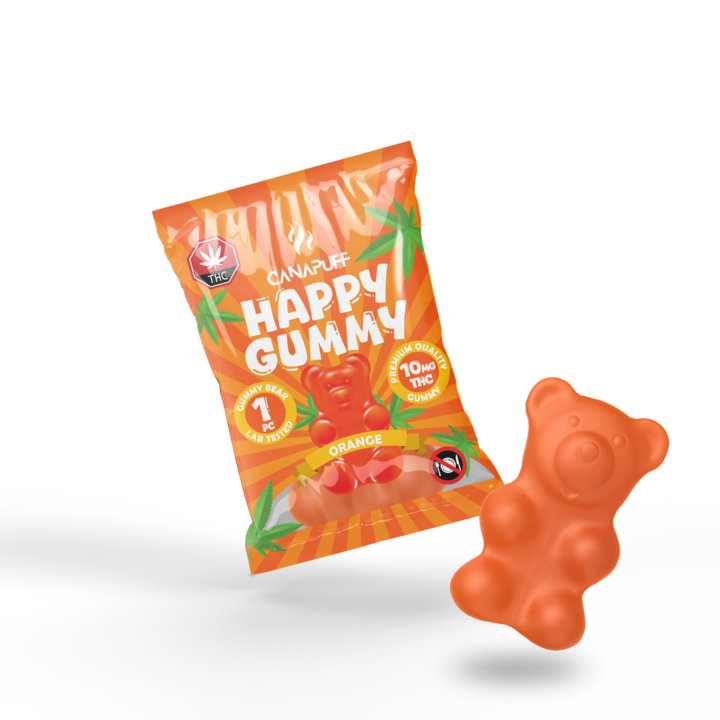
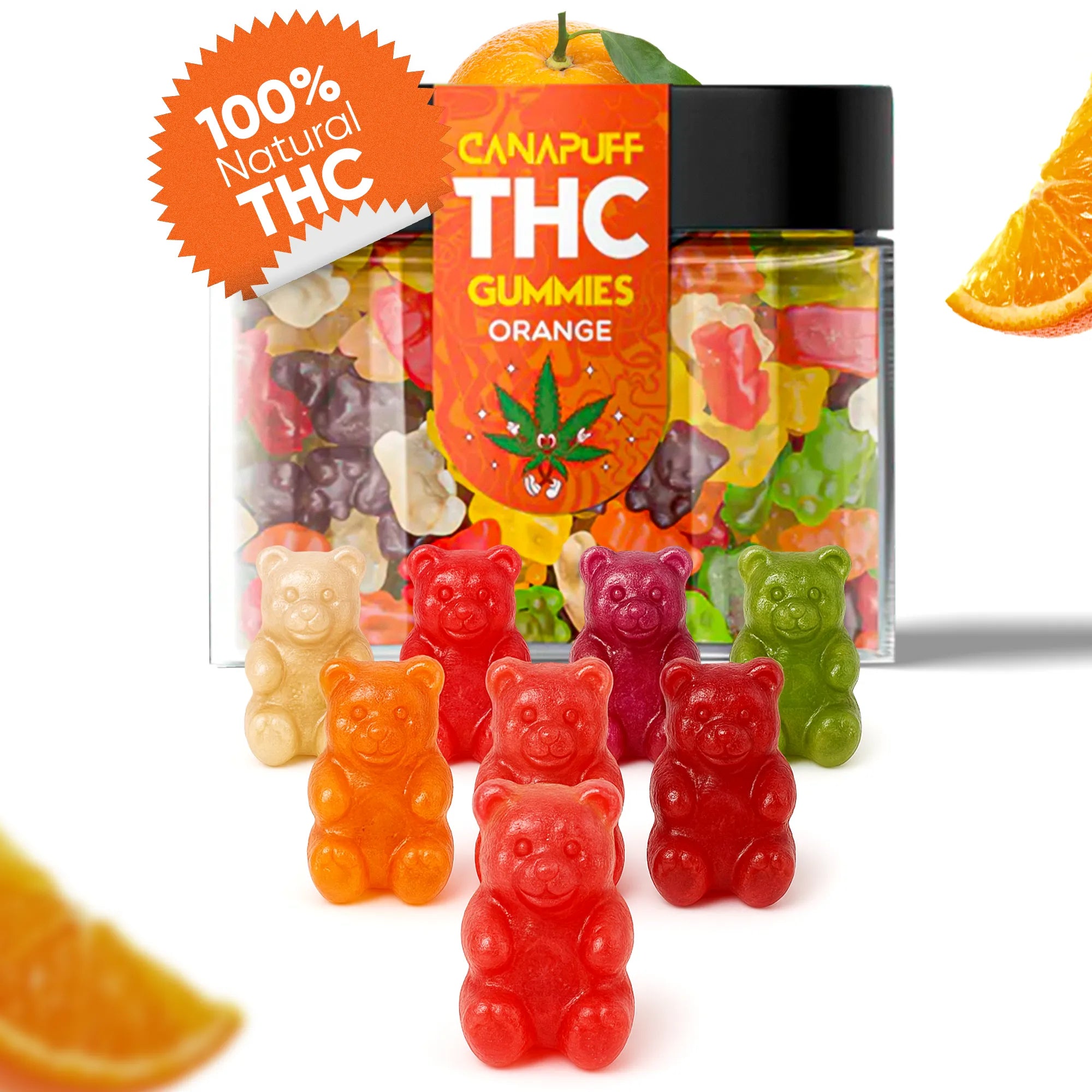
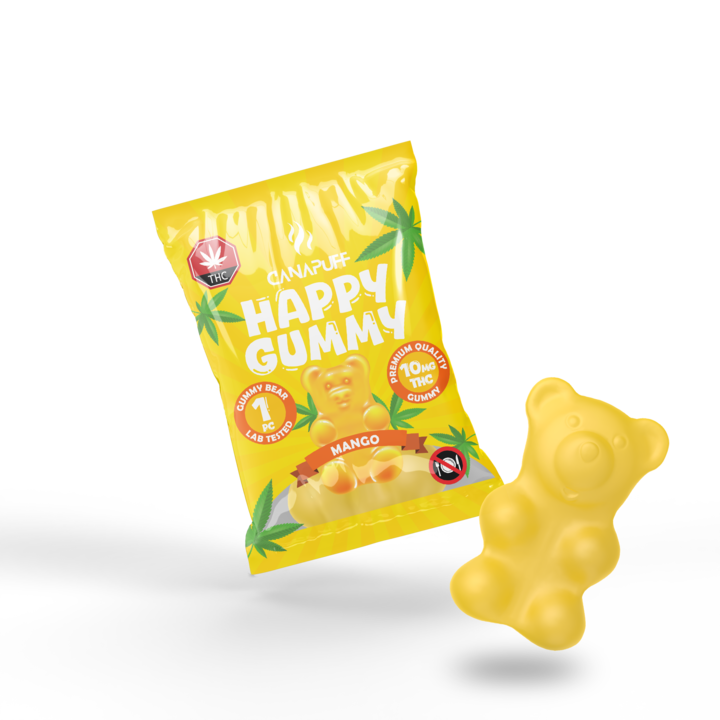
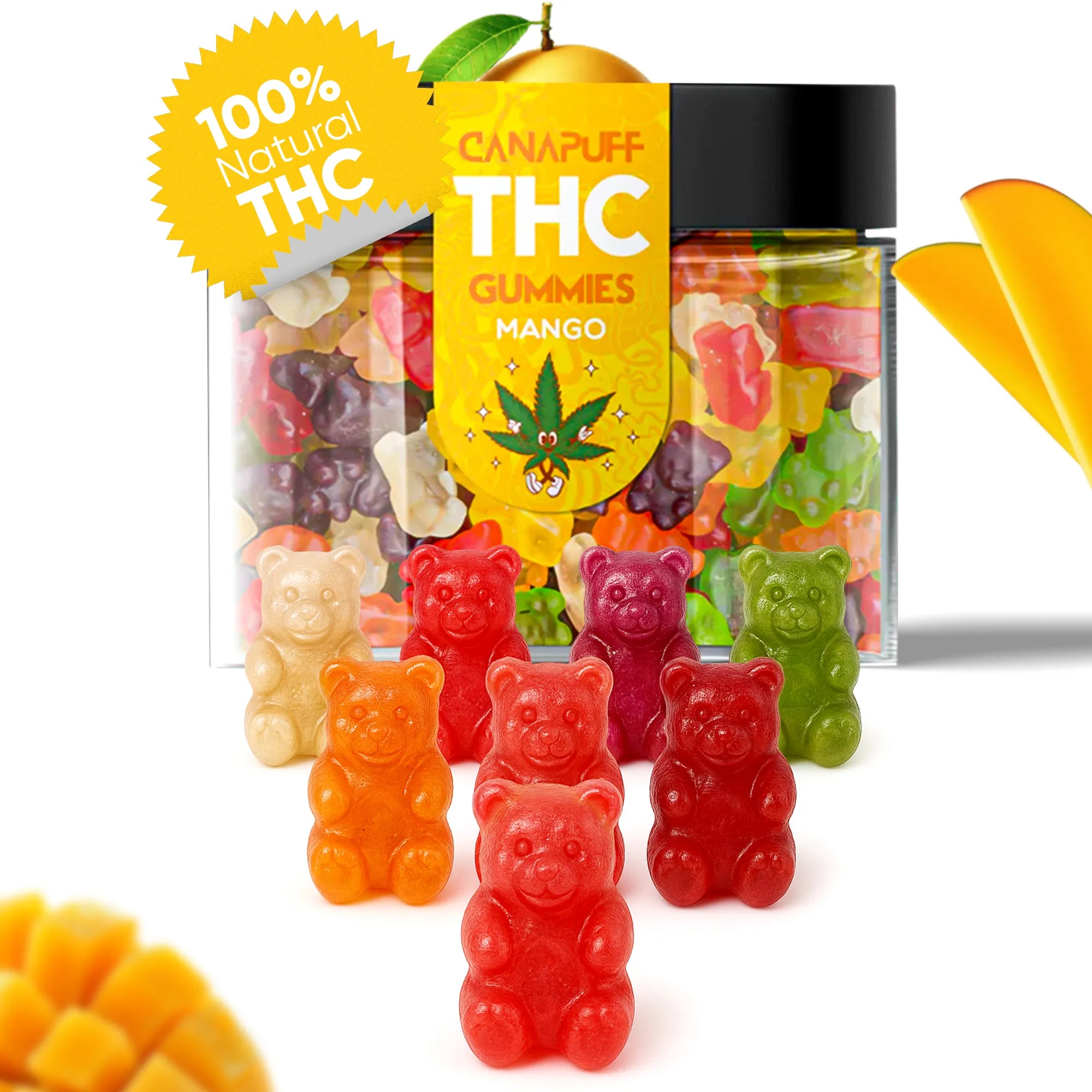
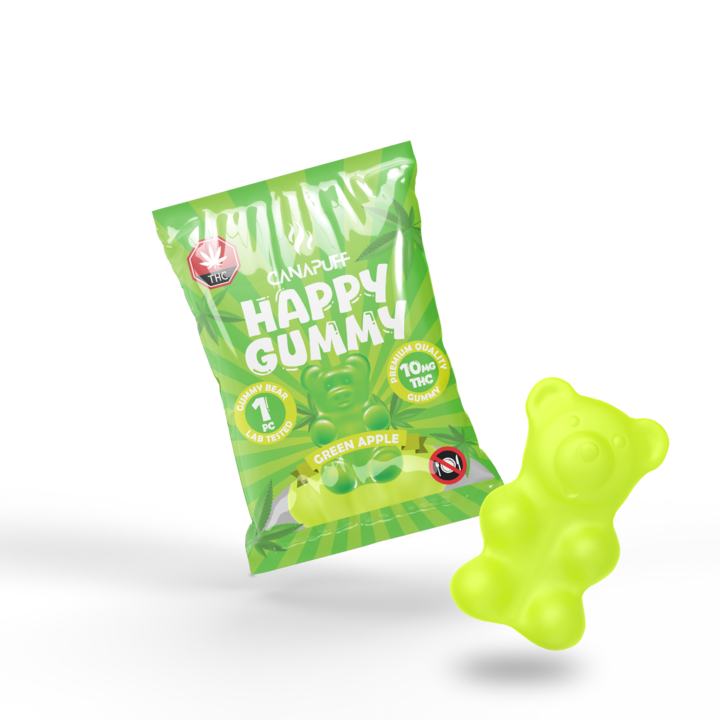
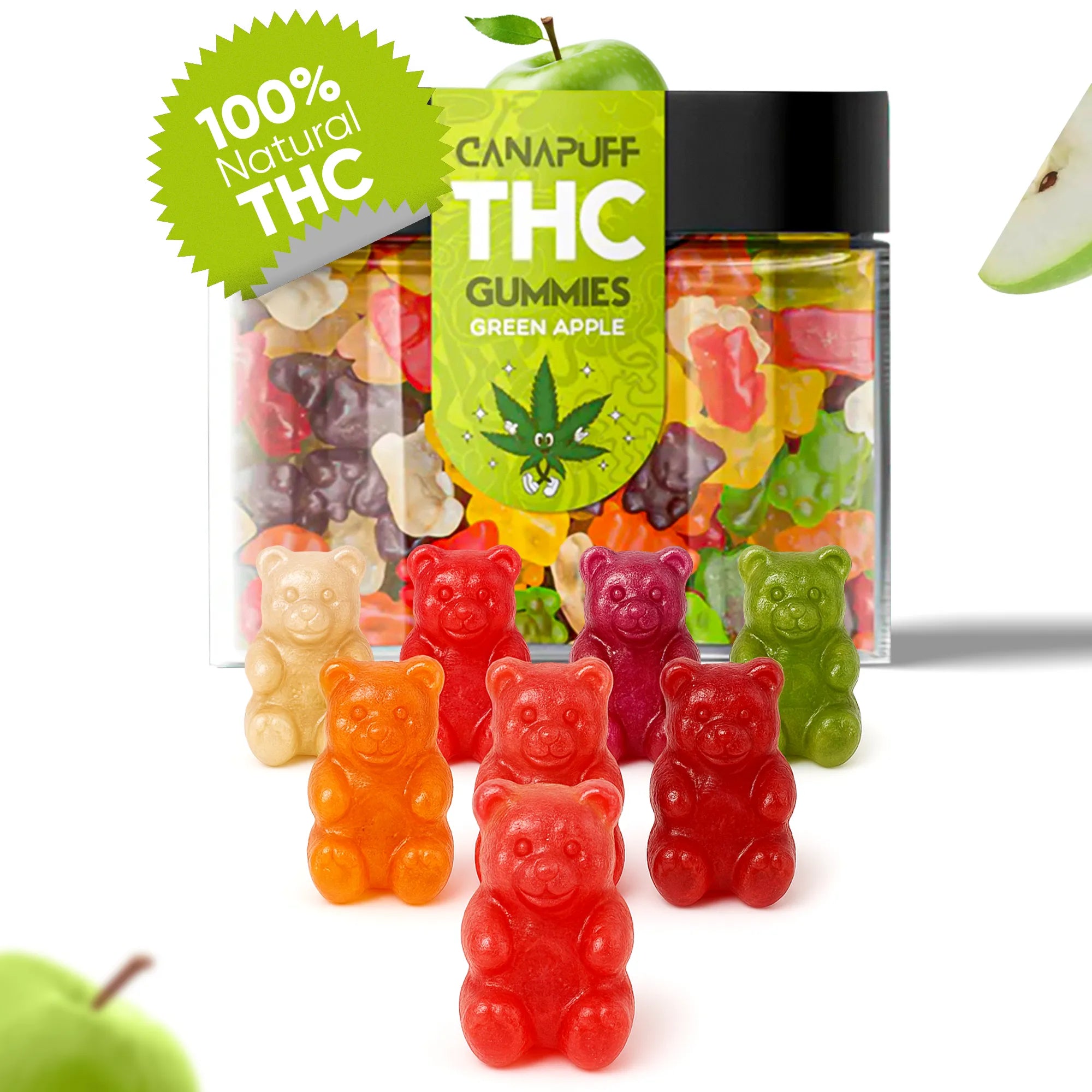
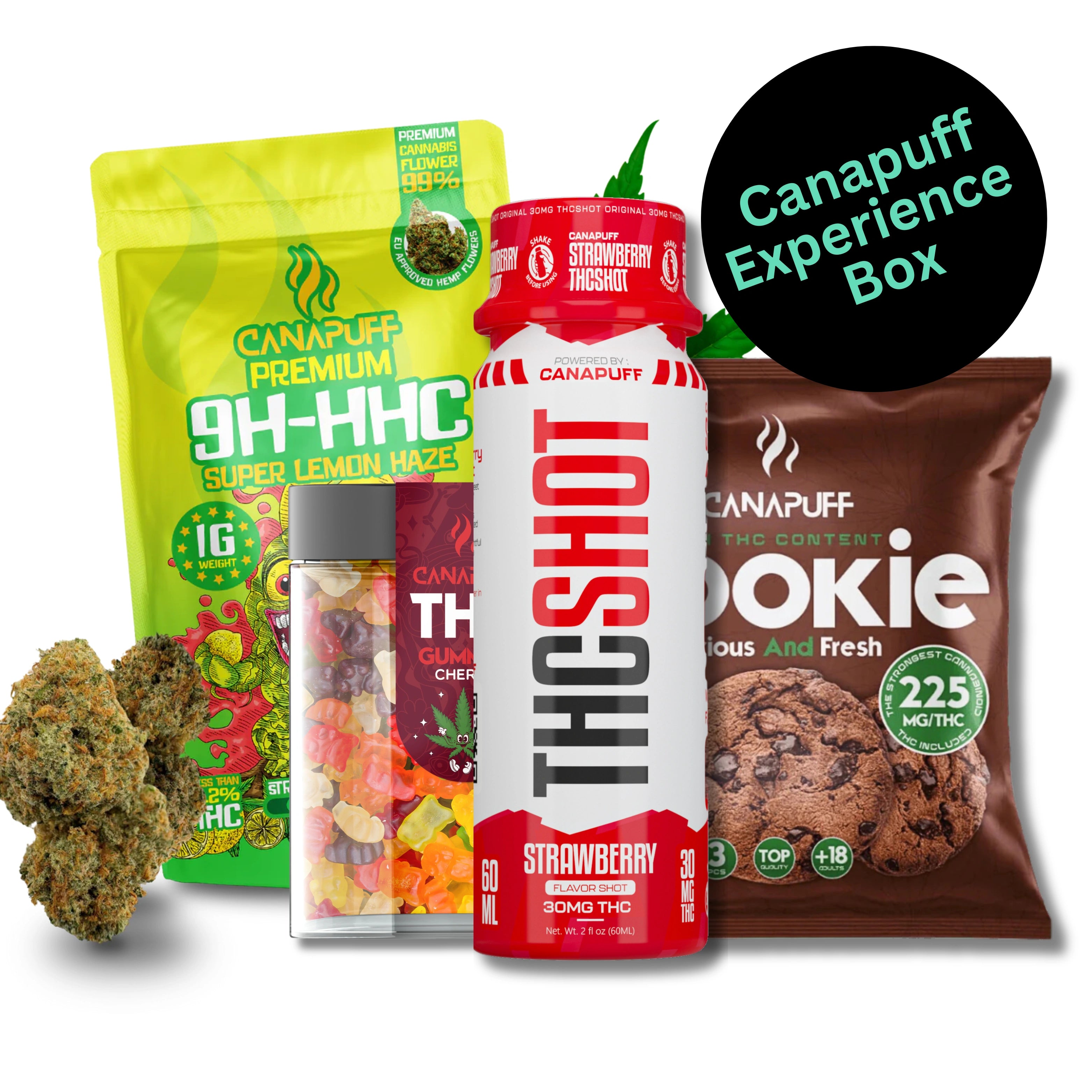
For exploring THC beverage options, Canapuff's THC gummies collection provides context on related cannabinoid products, though traditional THC drinks offer unique consumption methods distinct from edibles.
How Alcohol Works: Understanding Traditional Alcoholic Beverages
Alcohol (ethanol) functions as a central nervous system depressant. When consumed, it absorbs directly into the bloodstream through the stomach and small intestine, reaching peak blood alcohol concentration within 30-60 minutes. Unlike THC's liver conversion creating a more potent compound, alcohol metabolizes directly without significant chemical transformation.
Alcohol's Mechanism of Action
Alcohol affects multiple neurotransmitter systems:
- GABA enhancement: Produces sedative effects
- Glutamate reduction: Slows brain communication
- Dopamine release: Creates reward sensations
- Serotonin modulation: Influences mood
These effects occur relatively quickly, which is why alcohol's impact becomes noticeable within 10-15 minutes of consumption.
Health Risks of Alcohol Consumption
Long-term alcohol use carries well-documented health consequences:
- Liver cirrhosis and hepatitis
- Increased cancer risk (breast, liver, colon, esophageal)
- Heart disease and hypertension
- Brain damage and cognitive decline
- Addiction and alcohol use disorder
The Centers for Disease Control reports that nearly 178,000 deaths annually in the United States result from excessive alcohol consumption, including alcohol poisoning, liver disease, and accidents.

THC Drinks vs Alcohol: Key Physiological Differences
Understanding how thc alcohol consumption differs physiologically helps contextualize the comparison:
| Factor | THC Drinks | Alcohol |
|---|---|---|
| Onset Time | 30-90 minutes | 10-15 minutes |
| Peak Effects | 2-4 hours | 30-60 minutes |
| Duration | 4-8 hours | 4-6 hours |
| Metabolism | Liver converts to 11-hydroxy-THC | Direct oxidation |
| Peak Potency | Increases over time | Immediate |
| Addiction Potential | 9% use disorder rate | 15-20% addiction risk |
| Organ Damage | Minimal documented | Liver, heart, brain |
| Cancer Risk | Not established | Significant |
| Fatal Overdose | Not possible | Possible (alcohol poisoning) |
| Withdrawal Symptoms | Minimal | Severe (tremors, seizures) |
This comparison demonstrates fundamental differences in how bodies process these substances, with implications for both short-term effects and long-term health outcomes.
Are THC Drinks Healthier Than Alcohol? A Health Comparison
Documented Health Risks of Alcohol
Alcohol's health consequences are extensively researched and well-established:
Liver damage: Chronic alcohol consumption damages hepatocytes, leading to fatty liver disease, hepatitis, and cirrhosis. These conditions develop gradually but become irreversible without intervention.
Cancer risk: The International Agency for Research on Cancer classifies alcohol as a Group 1 carcinogen. Even moderate consumption increases cancer risk across multiple sites: esophageal cancer increases 16% with one drink daily, breast cancer increases 1.3% per drink daily, and liver cancer risk significantly elevates with heavy use.
Cardiovascular complications: While some studies suggest moderate alcohol consumption provides cardiovascular benefits (the controversial "French Paradox"), heavy and episodic drinking increases heart disease, stroke, and hypertension risk substantially.
Neurological damage: Chronic alcohol use causes brain shrinkage, cognitive decline, memory loss, and increases dementia risk.
Dependency and addiction: Alcohol use disorder affects 15-20% of regular drinkers, making it one of the most addictive psychoactive substances.
Research Status of THC Drinks
THC beverages remain less extensively studied than alcohol due to recent legalization and research restrictions:
Advantage: THC does not cause documented liver damage, cancer risk remains unestablished at low-to-moderate doses, overdose fatality is impossible, and withdrawal symptoms are minimal.
Limitation: Long-term effects of regular THC consumption require more research. Some studies suggest chronic cannabis use may increase mental health risks in vulnerable populations, but evidence remains less definitive than alcohol research.
Emerging research: Recent studies indicate CBD (cannabidiol, a non-psychoactive cannabis compound) may help treat alcohol use disorder by reducing withdrawal symptoms and preventing relapse.
The Verdict on Health Comparison
Thc drinks appear safer than alcohol based on current evidence, though calling them "healthy" would be misleading. Both substances carry risks. Alcohol's established health harms substantially exceed THC's currently documented risks, but absence of evidence isn't evidence of absence-long-term THC beverage safety data remains incomplete.
Do THC Drinks Have Alcohol? Clarifying the Confusion
A common misconception is that THC drinks contain alcohol. Pure THC beverages do not contain ethanol (alcohol). They are alcohol-free drinks infused with cannabis compounds. However, manufacturers have developed hybrid products combining both THC and alcohol, creating genuinely alcoholic beverages with added cannabis.
Distinguishing Product Types
THC-only drinks: Contain THC, zero alcohol content, no psychoactive effects from ethanol
Alcohol-THC hybrid beverages: Contain both ethanol and THC, producing combined effects of both substances
CBD drinks: Contain cannabidiol without THC, producing no psychoactive effects from either substance
Understanding this distinction matters for legal, health, and preference reasons. THC drinks (alcohol-free) are legal in more jurisdictions than THC-alcohol hybrids or pure alcoholic beverages.
Beer With Weed: Understanding Combined Products
Some manufacturers have created products combining beer with weed elements, though true "beer with weed" requires combining alcohol with cannabis. Understanding these products requires examining the risks of simultaneous consumption.
Risks of Combining Alcohol and THC
Research shows that mixing alcohol with cannabis intensifies risks beyond either substance alone:
Increased impairment: Combined alcohol-THC use produces greater impairment than either substance separately. Laboratory studies show enhanced impairment in critical tracking, divided attention, and motor coordination.
Enhanced THC absorption: Alcohol increases THC absorption rates, meaning you absorb more THC into your bloodstream when alcohol is present. This produces stronger effects than the THC dose alone would suggest.
"Cross-fading" phenomenon: Simultaneously experiencing intense alcohol and THC effects creates a distinctive sensation some users intentionally seek, but it also increases risks substantially.
Increased negative consequences: Studies consistently show that days combining alcohol and cannabis produce more negative consequences than single-substance use days, including nausea, vomiting, anxiety, and risky behavior.
Greater intoxication perception: Combined use impairs judgment about intoxication level, leading users to consume more than intended.
Alcohol poisoning risk: The combination increases alcohol poisoning likelihood by impairing judgment about alcohol consumption quantity.
For those interested in exploring cannabis products without mixing with alcohol, Canapuff's THC gummies collection offers controlled-dose alternatives.

Comparing Effects: Thc Drink vs Alcohol Experience
Onset and Duration
THC drinks: Begin affecting users 30-90 minutes after consumption, reach peak effects around 2-4 hours, and maintain effects for 4-8 hours. The delayed onset and prolonged duration require planning and patience compared to alcohol's rapid effects.
Alcohol: Effects begin within 10-15 minutes, peak around 30-60 minutes, and fade within 4-6 hours. The rapid onset allows users to immediately adjust consumption based on perceived effects.
This difference significantly impacts user experience. THC beverage consumers cannot easily adjust their dose after consuming-the effects continue intensifying for hours. Alcohol drinkers can stop consuming once desired effects are reached.
Subjective Effects
THC beverages produce:
- Altered sensory perception
- Changed time perception
- Relaxation and euphoria (at moderate doses)
- Cognitive effects and creative thinking
- Reduced anxiety (at low doses)
- Potential anxiety/paranoia (at high doses)
- Increased appetite
- Drowsiness (particularly with indica strains)
Alcohol produces:
- Relaxation and disinhibition
- Euphoria and talkativeness
- Impaired motor coordination
- Slurred speech
- Memory impairment
- Potential aggression
- Dehydration
- Hangovers with headache and nausea
The subjective experiences differ substantially-alcohol produces disinhibition and social loosening, while THC typically produces introspection and sensory enhancement. Users seeking specific effects should consider these differences.
Physical Symptoms
THC drinks: Dry mouth, red eyes, increased heart rate, drowsiness, increased appetite, slight tremor (at high doses)
Alcohol: Flushed face, sweating, impaired balance, slurred speech, nausea, dehydration
Addiction Potential: Thc Alcohol Comparison
Alcohol Addiction
Alcohol ranks among the most addictive substances. Approximately 15-20% of regular drinkers develop alcohol use disorder. Physical dependence can develop from regular consumption, causing withdrawal symptoms including tremors, seizures, hallucinations, and even death when stopping abruptly. This physical dependence component makes alcohol particularly challenging for dependent individuals.
THC Dependence
Cannabis use disorder affects approximately 9% of cannabis users, lower than alcohol's addiction rate. While physical dependence can develop, withdrawal symptoms remain mild compared to alcohol-typically including irritability, anxiety, sleep disruption, and appetite changes. Seizures and potentially fatal withdrawal symptoms do not occur with cannabis.
Practical Comparison
For individuals with addiction vulnerability, THC presents lower addiction risk and less severe dependence potential than alcohol. However, neither substance is appropriate for those with substance use disorder history.
Long-Term Health Consequences: THC Vs Alcohol
Documented Alcohol Health Damage
- Liver disease: Cirrhosis, hepatitis, fatty liver disease
- Cancer: Multiple cancer types substantially increase
- Heart disease: Hypertension, cardiomyopathy, stroke
- Brain damage: Cognitive decline, dementia, Wernicke-Korsakoff syndrome
- Death: Nearly 178,000 deaths annually in the US from excessive alcohol use
THC Long-Term Research Status
- Liver damage: No significant documented liver damage
- Cancer: No established cancer risk at low-to-moderate doses
- Heart disease: Minimal research, but cannabis does increase heart rate acutely
- Brain effects: Emerging research suggests heavy adolescent use may impact cognitive development; adult effects less clear
- Mental health: Some evidence suggests increased psychosis risk in vulnerable populations; overall population risk remains unclear
Summary of Long-Term Comparison
Alcohol carries substantial, well-documented long-term health consequences. THC's long-term effects remain incompletely understood, but evidence suggests substantially lower harm potential than alcohol.
Consumer Trends: Why People Choose THC Drinks Over Alcohol
Recent market data indicates significant shifts in beverage preferences:
Statistical Evidence
- 77% of THC beverage consumers report reducing alcohol intake
- 22% have completely quit alcohol in favor of cannabis drinks
- One in three millennials and Gen Z workers prefer THC drinks over alcohol for social activities
- Younger professionals increasingly choose cannabis beverages for after-work activities
Reasons for the Shift
Health concerns: Documented alcohol risks prompt consumers to seek alternatives
Lower addiction risk: THC's lower dependence potential appeals to health-conscious consumers
No hangover: THC beverages do not produce hangover effects like alcohol
Controlled effects: Measured THC doses allow predictable experiences
Longer duration: 4-8 hour effects appeal to consumers seeking sustained experiences
No liver damage: THC's minimal hepatic damage contrasts with alcohol's liver toxicity
Mental clarity: Morning-after cognitive function remains intact with THC unlike alcohol's hangover fog
Frequently Asked Questions
Can you mix THC drinks with alcohol?
Technically yes, but it's inadvisable. Mixing increases impairment beyond either substance alone, enhances THC absorption, increases negative consequences, and raises alcohol poisoning risk. Research consistently shows alcohol-THC combination produces substantially greater risks than either alone.
Do THC drinks make you fail a drug test?
Yes. Standard drug tests detect THC metabolites regardless of consumption method-smoking, vaping, edibles, or beverages. Testing cannot distinguish between these methods. If employment or legal concerns exist, avoid THC beverages.
How long do THC drinks stay in your system?
THC metabolites remain in your body 3-30 days depending on consumption frequency and individual metabolism. Daily users accumulate THC in fatty tissues, extending detection windows substantially compared to occasional users.
Can you overdose on THC drinks?
Fatal overdose is impossible with THC. However, consuming excessive amounts produces severe anxiety, paranoia, rapid heartbeat, and potential psychological distress. These symptoms resolve as THC metabolizes-typically within 4-8 hours. Management involves remaining in a safe environment, staying hydrated, and using grounding techniques.
Are THC drinks regulated?
Regulation varies by state and municipality. Legal cannabis markets typically require testing for potency accuracy and contaminants. However, regulatory standards remain less stringent than pharmaceutical standards. Purchase from licensed dispensaries to ensure product reliability.
Do THC drinks hydrate you better than alcohol?
Yes, marginally. Alcohol is a diuretic that increases urination and dehydration. THC beverages don't carry this diuretic effect. However, THC drinks produce dry mouth, which isn't true dehydration. Both require adequate water intake for proper hydration.
Can I drive after consuming THC drinks?
No. THC impairs reaction time, motor coordination, and judgment. Driving is illegal when impaired by any substance in all jurisdictions. Wait until effects completely subside (typically 6-8 hours) before driving.
Do thc alcohol effects feel the same as cannabis smoking?
Thc drink effects differ from smoking. Beverages produce longer-lasting effects (4-8 hours vs. 2-3 hours) and often feel more intense due to liver conversion to 11-hydroxy-THC. The subjective experience is similar but quantitatively different.
Are there thc drinks without added sugar like alcohol?
Yes, many THC beverages come in sugar-free or low-sugar formulations, similar to light alcoholic drinks. However, some THC drinks contain added sugars. Check nutrition labels before purchase. Sugar content varies by manufacturer and product type.
What's the legal status of THC drinks in the US?
Federal status remains complex. While cannabis remains Schedule I under federal law, many states have legalized recreational cannabis including THC beverages. State laws vary dramatically-some permit sales, others prohibit them. Check local regulations before purchasing THC drinks.

Leave a comment
This site is protected by hCaptcha and the hCaptcha Privacy Policy and Terms of Service apply.