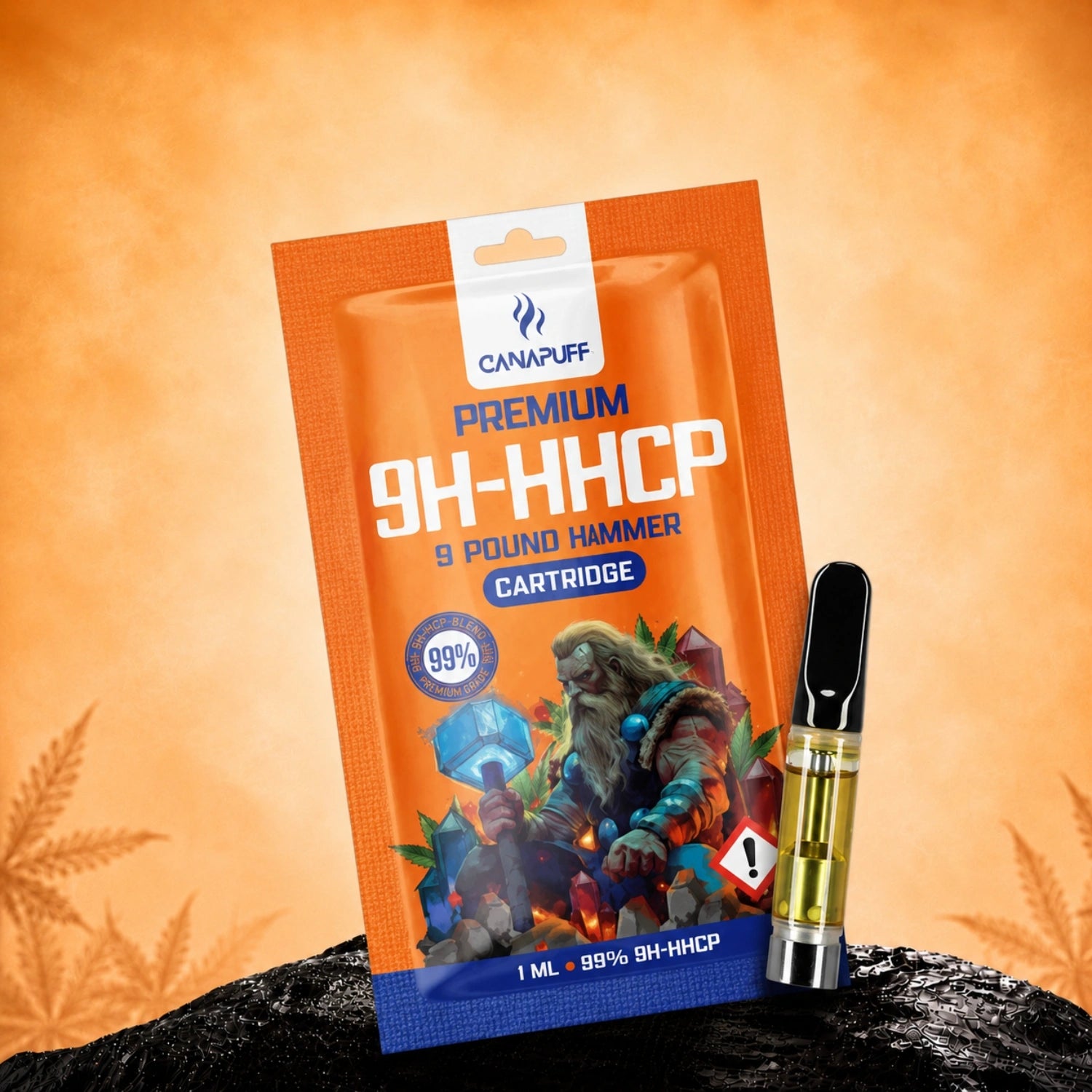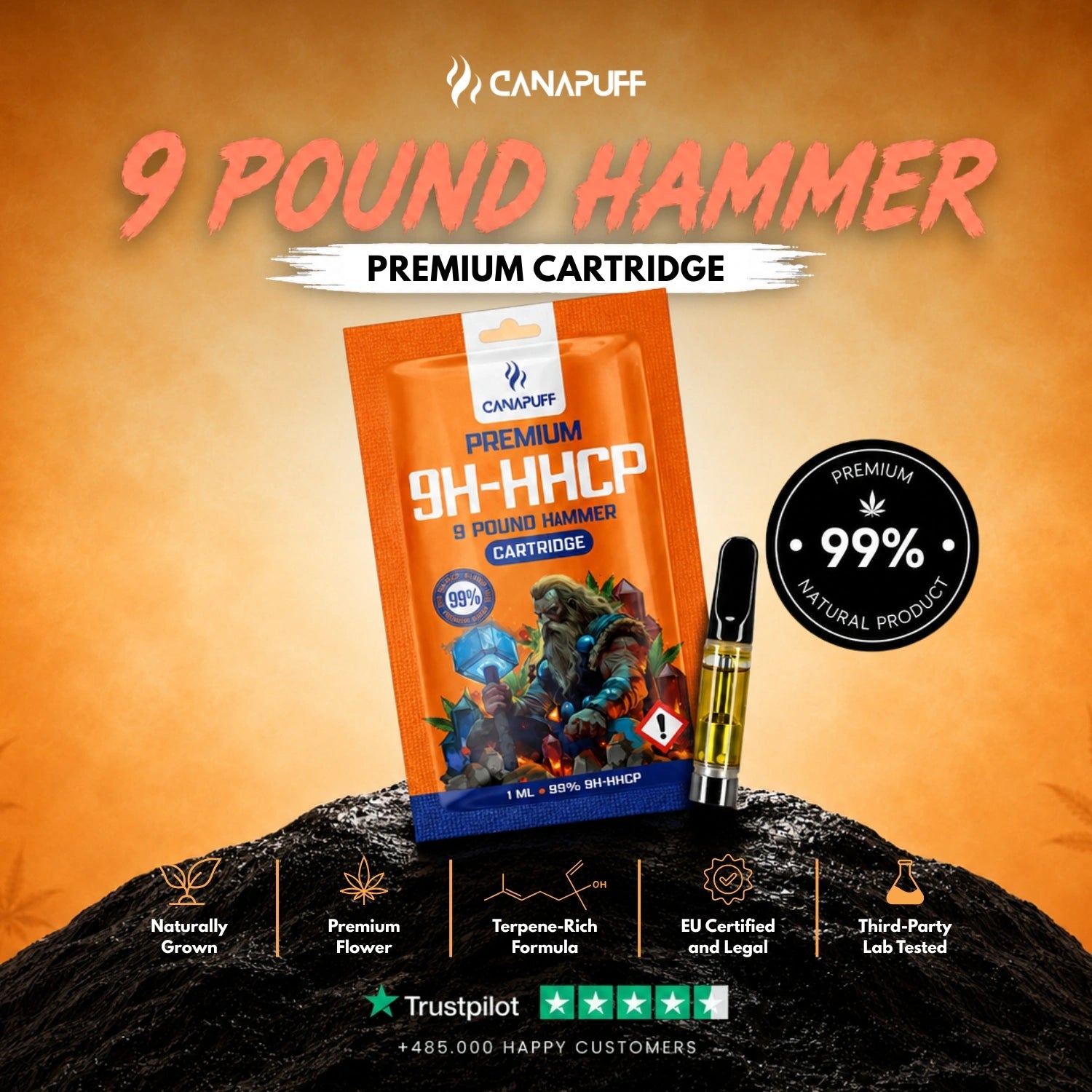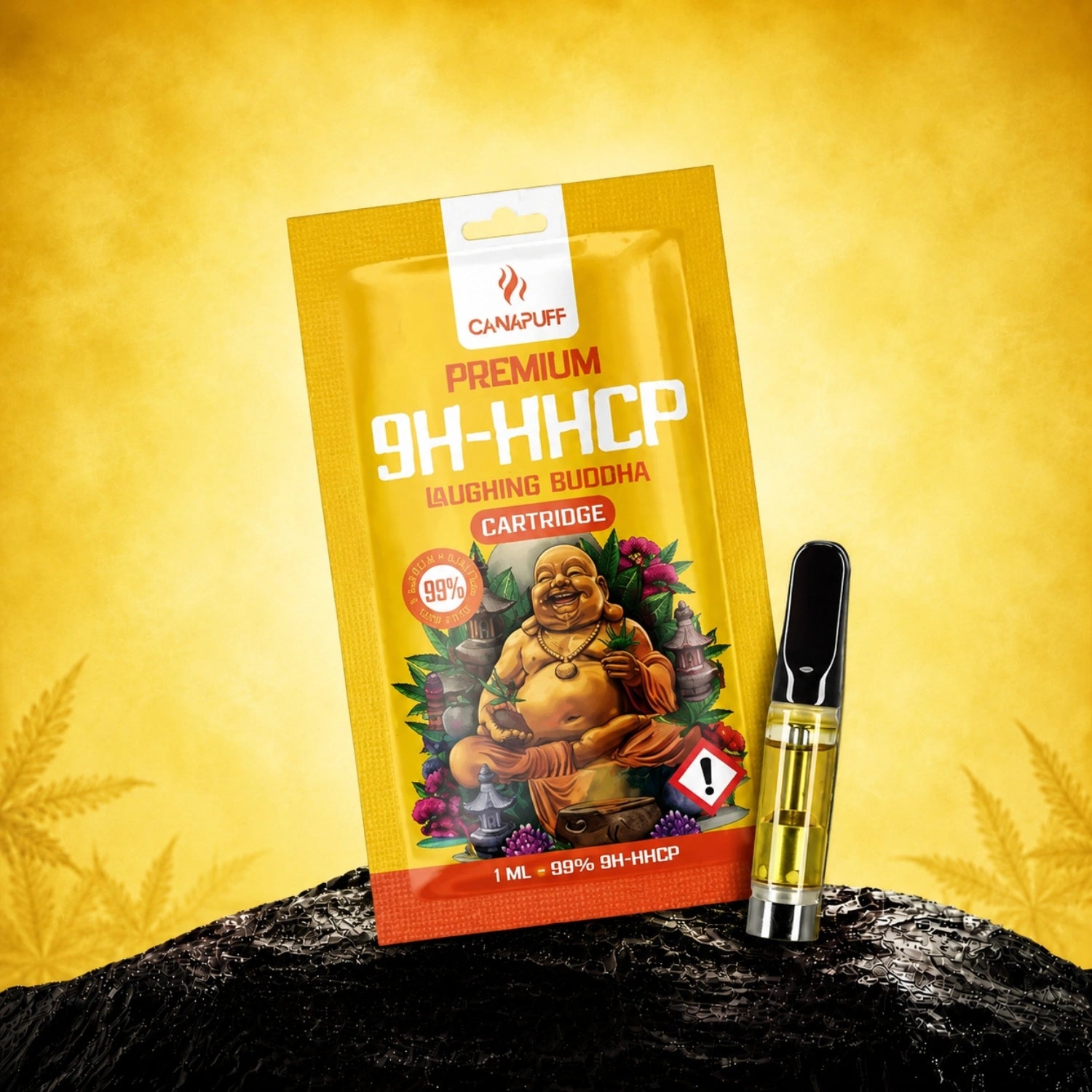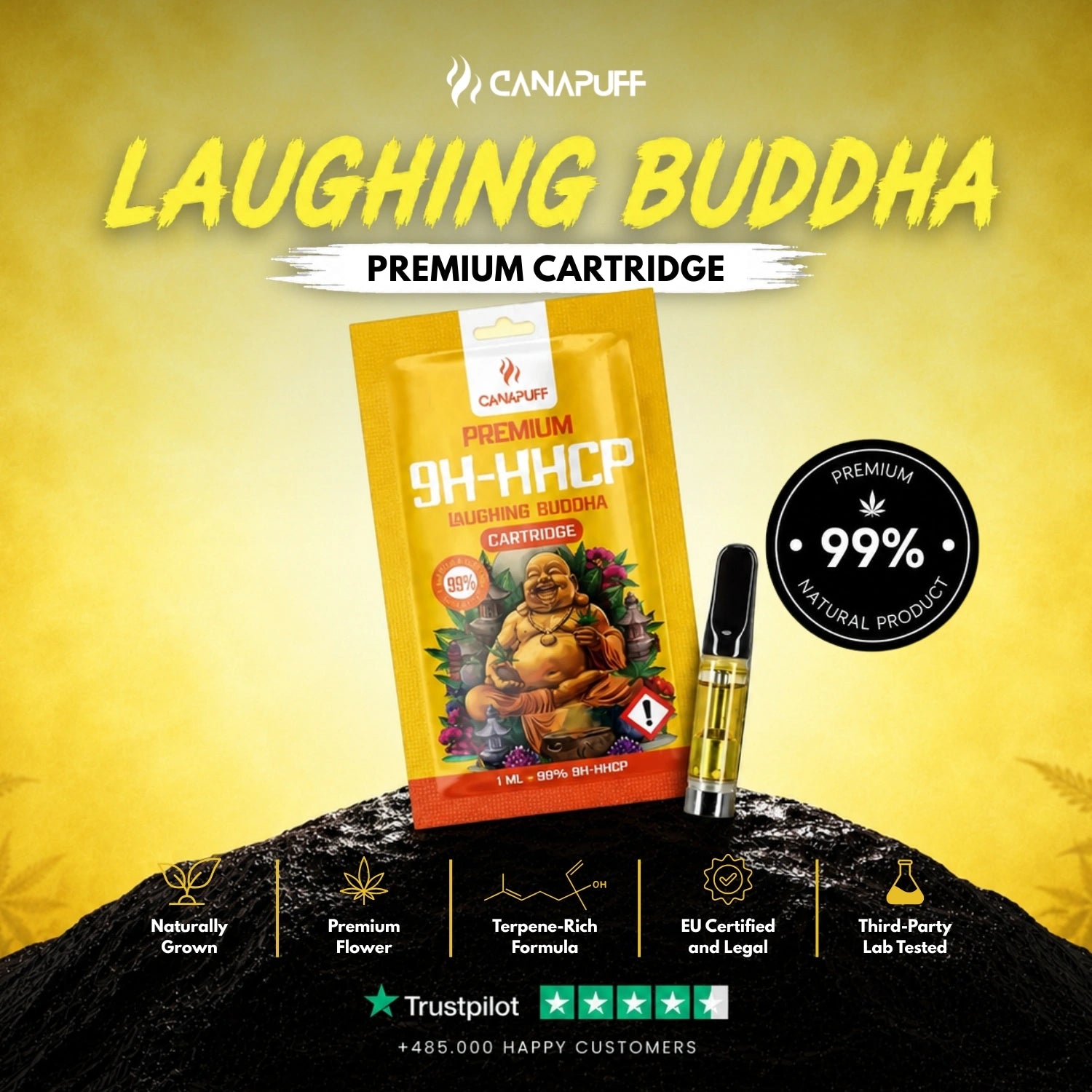







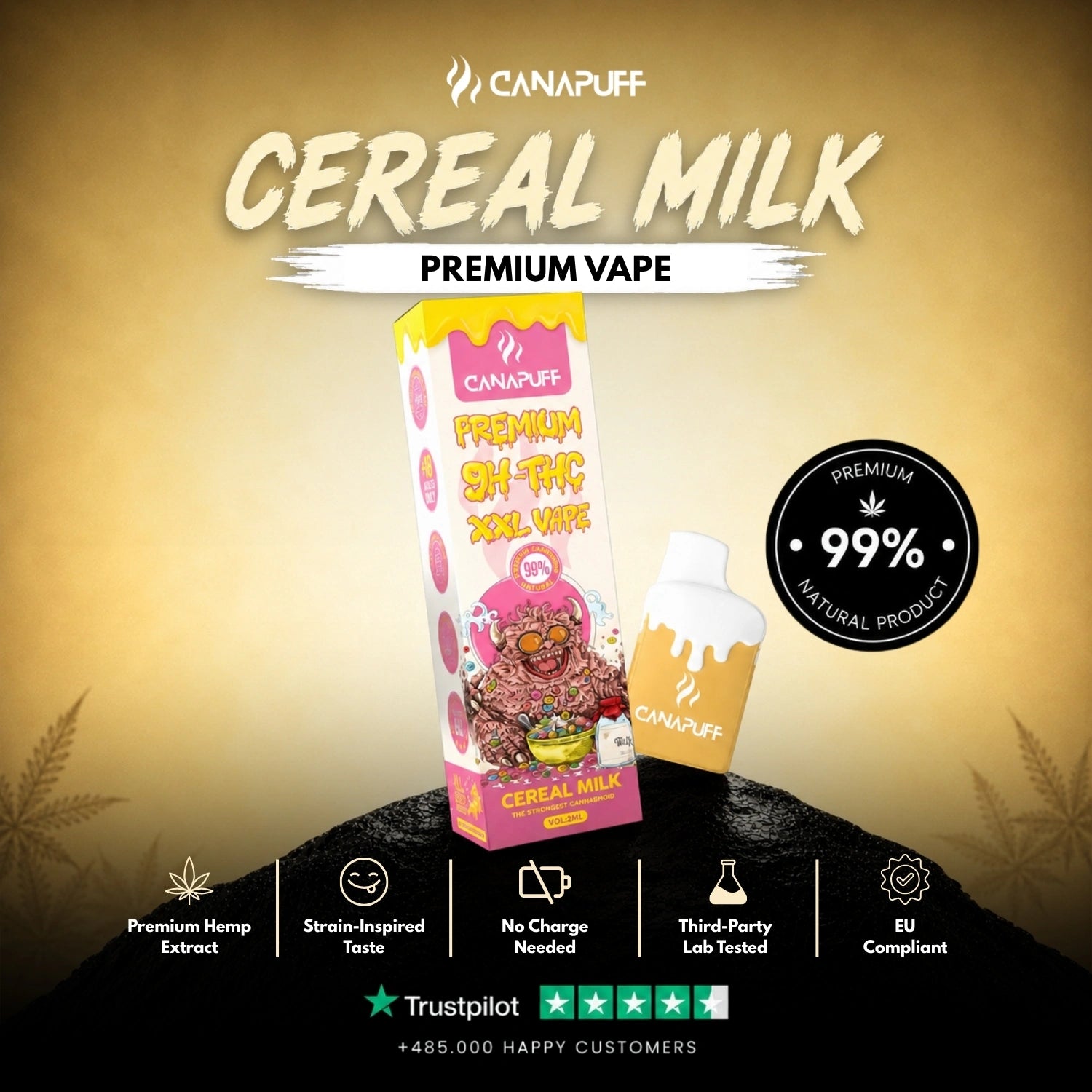














For many people, 10-OH-HHC seemed to appear almost overnight. It was talked about as a new cannabinoid, available in different markets, and quickly gained attention.
Then came a shock.
First, regulations in Germany changed. Shortly after that, the Czech Republic followed. Within a relatively short time, 9H-HHC was no longer available in places where people had just started to learn about it.
For many users, this felt sudden and confusing. One moment a compound is openly discussed, the next moment it disappears from the market. No long transition, no clear explanation for consumers — just gone.
Because of this, a simple question started to come up again and again:
If 10-OH-HHC is no longer an option, what are the alternatives?
This article does not focus on 9H-HHC itself. Instead, it looks at other cannabinoids that are now being discussed as alternatives, especially:
These compounds are different from 9H-HHC in many ways, but they are often mentioned in the same conversations — mainly by people trying to understand what options still exist in a changing market.
Below, we break these alternatives down in a simple, clear, and non-technical way.
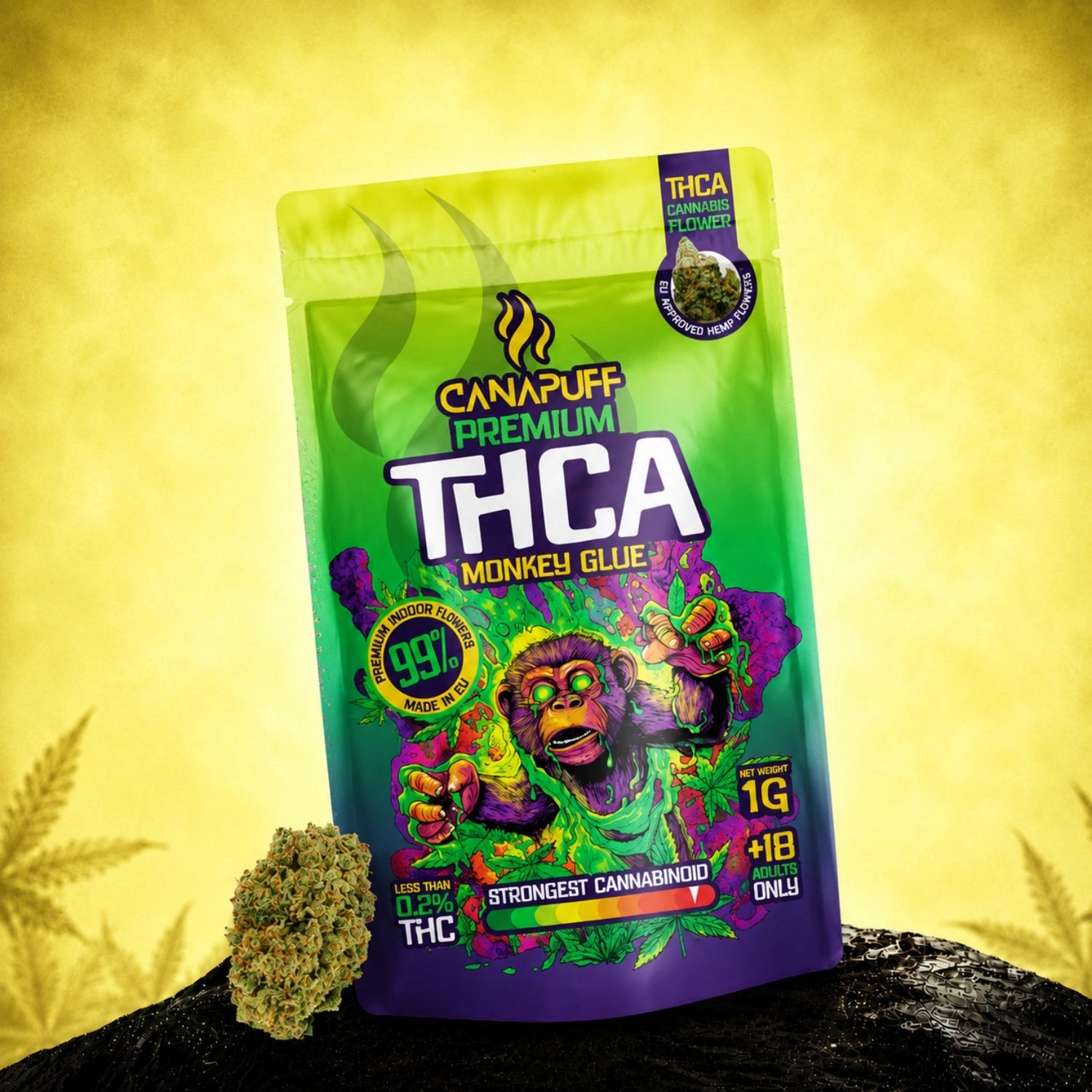
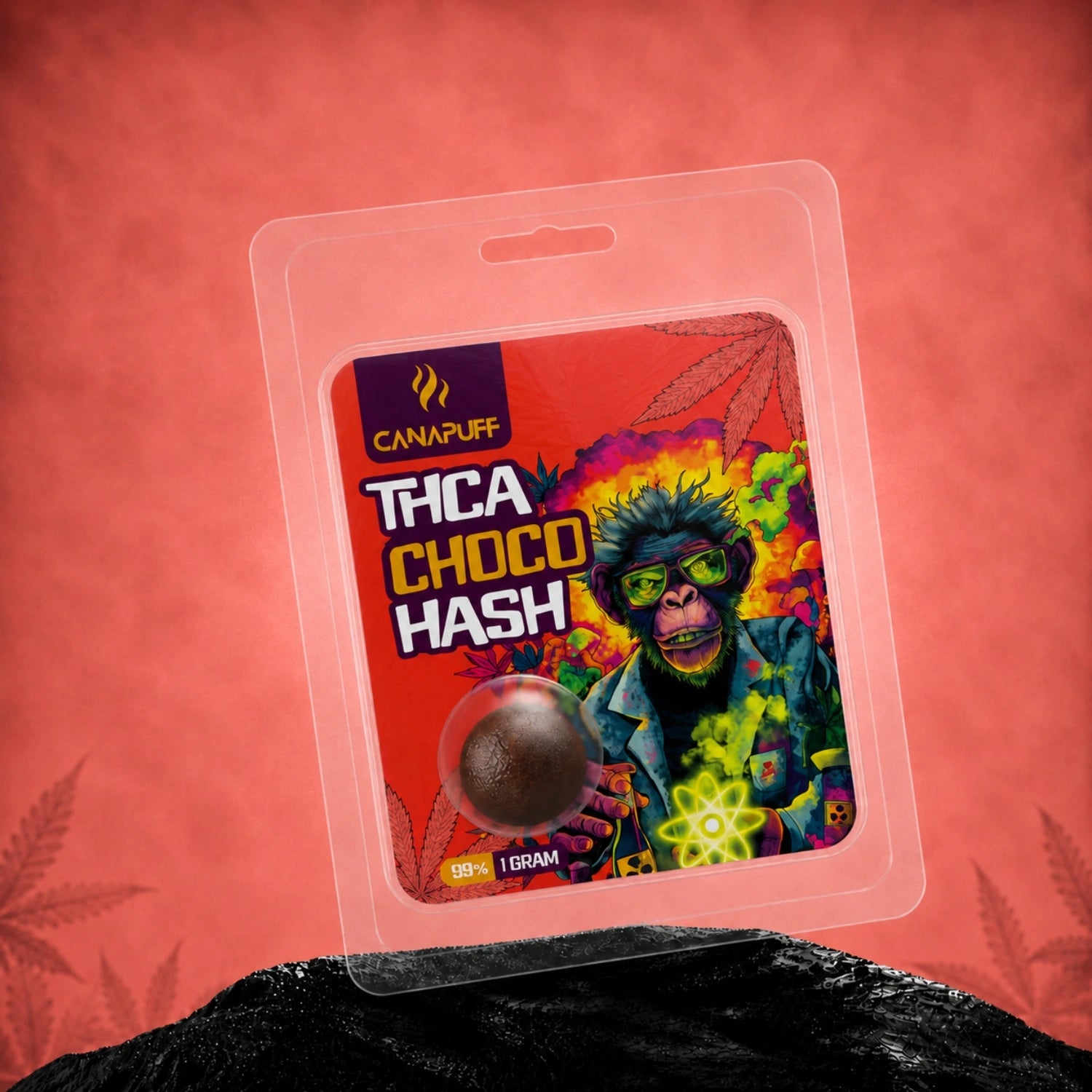
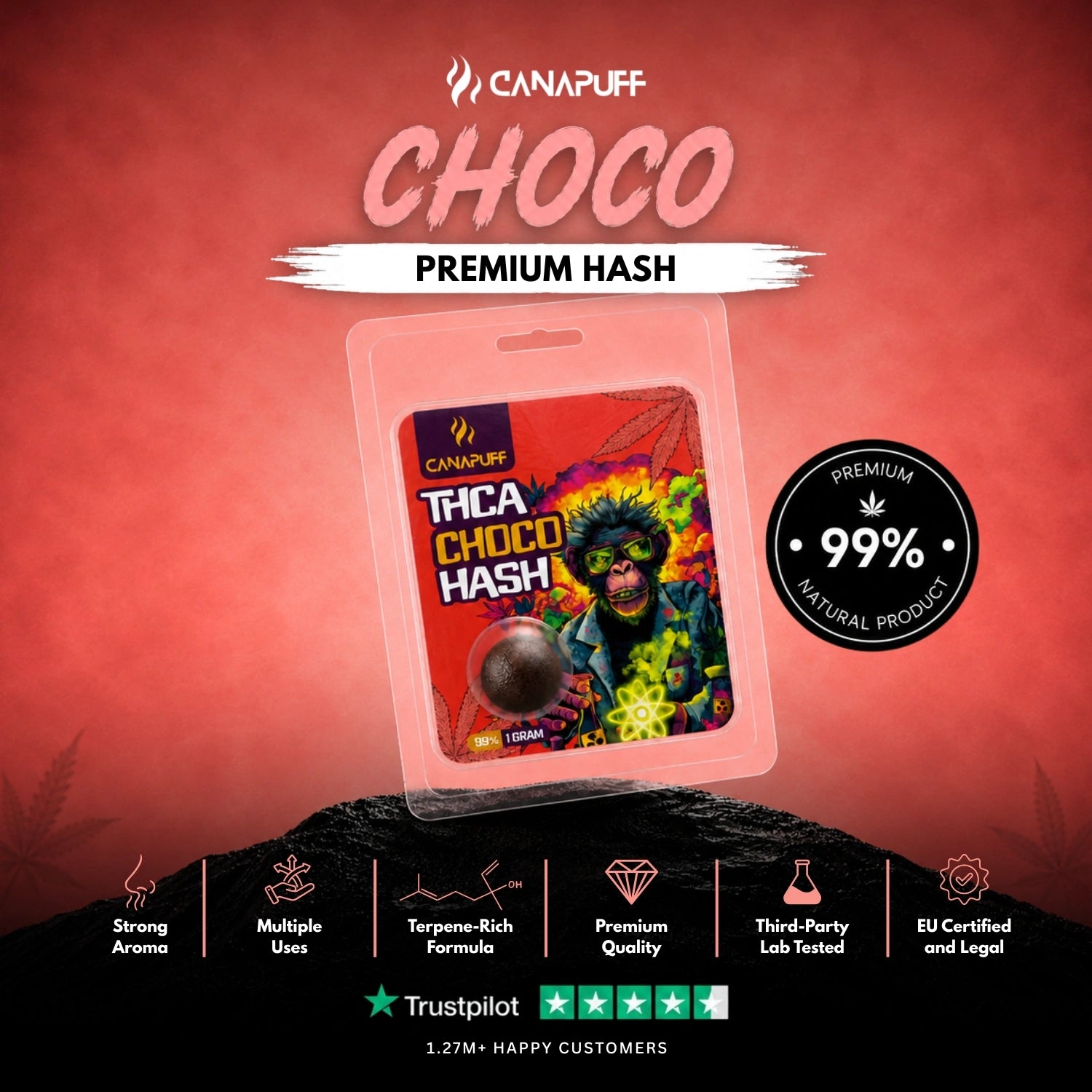
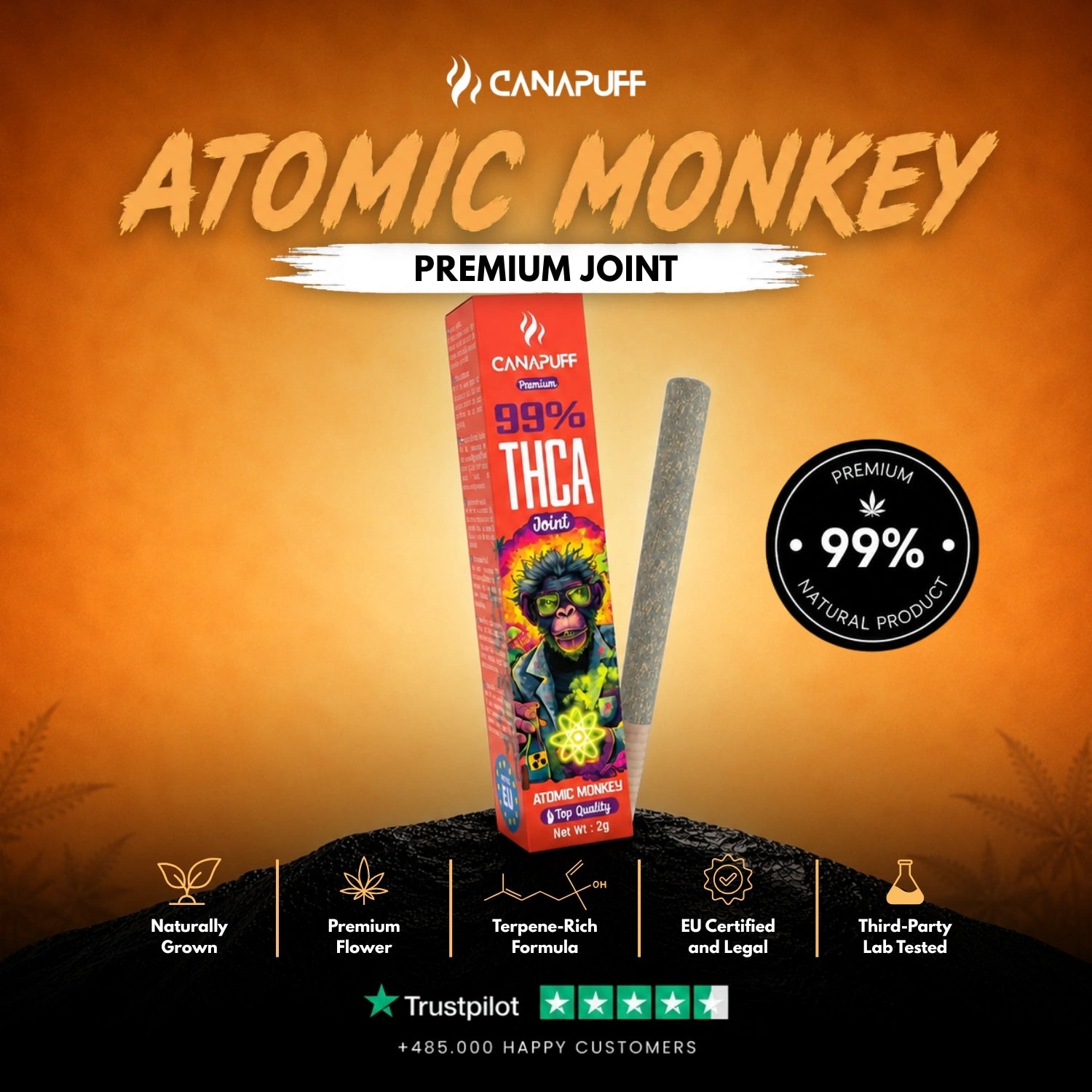
THCa: Why This One Comes Up So Often
THCa is usually the first name people mention when they talk about alternatives. The reason is simple: it has been around for a long time, but many people only started paying attention to it recently.
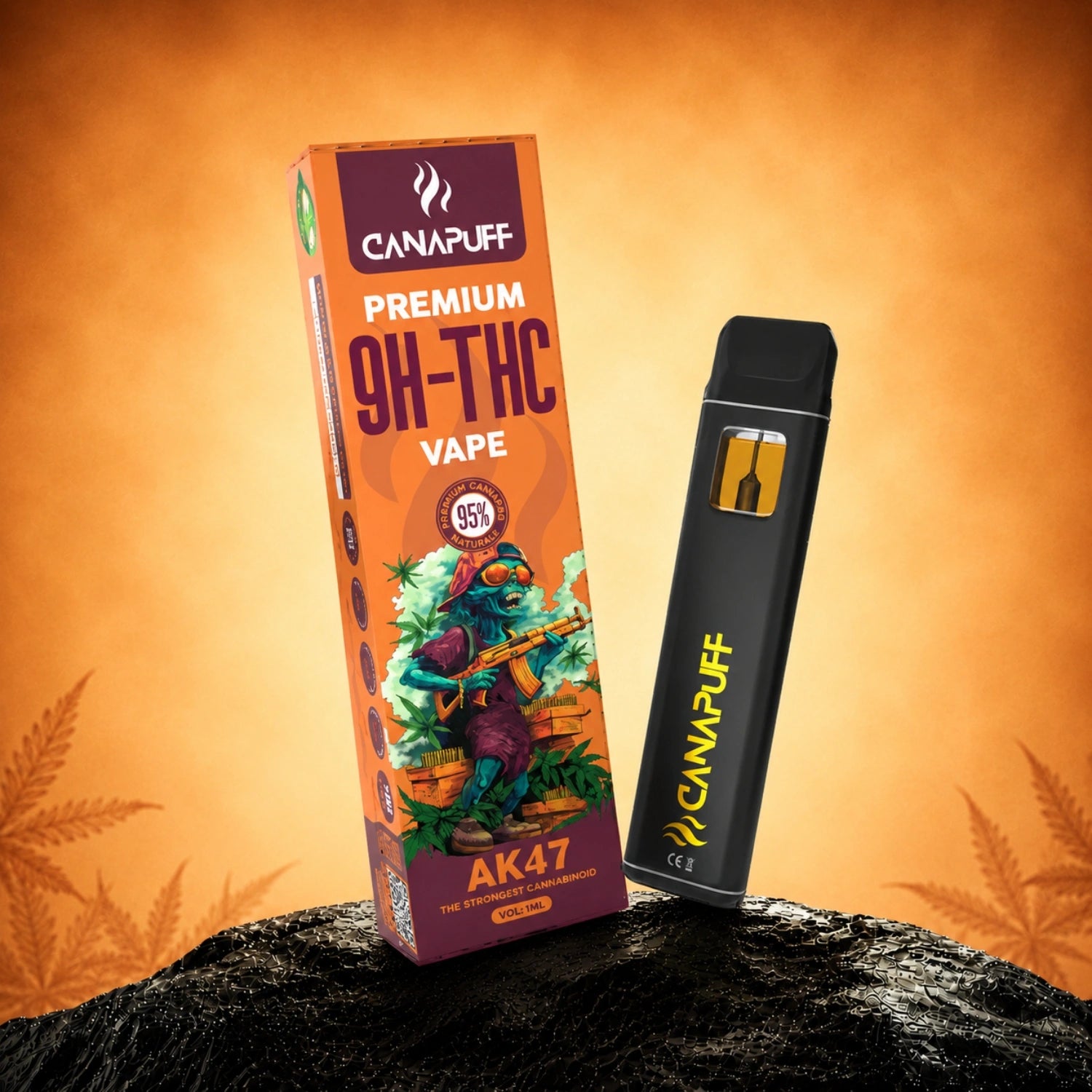
THCa is the natural form of THC found in raw cannabis plants. On its own, it does not create the classic “high” that people associate with THC. This detail is important, because it changes how THCa is discussed from a legal and informational point of view.
What makes THCa interesting for many users is not what it does by default, but what it can become under certain conditions. Because of this, it is often described as a “grey area” cannabinoid.
After 10-OH-HHC was restricted, searches for THCa increased noticeably. People were not necessarily looking for the same experience, but for something that still exists within current rules and conversations.
This does not mean THCa is a direct substitute. It simply means it is one of the alternatives people try to understand better when the market shifts.


10-OH-HHC Compared to 9H-HHC
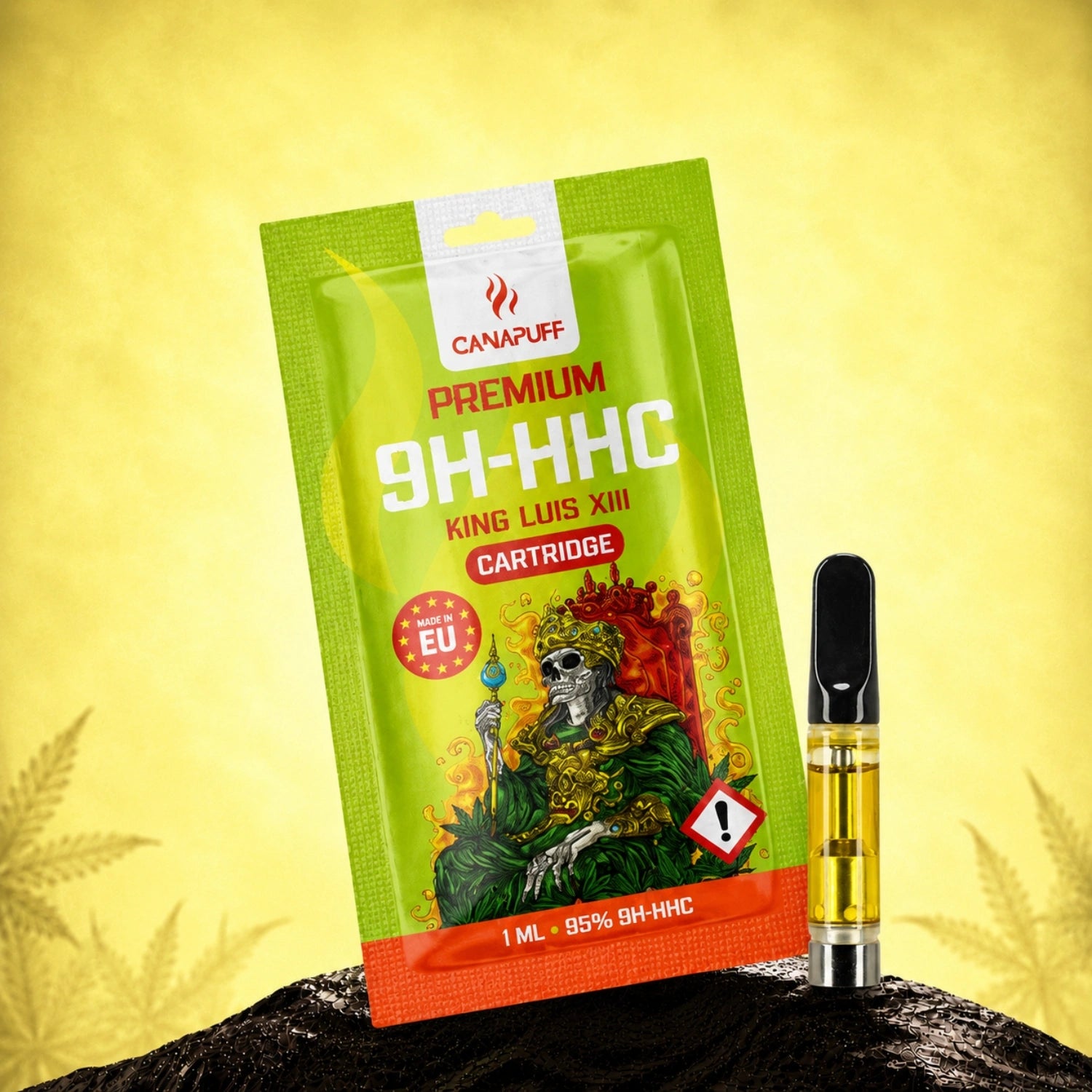
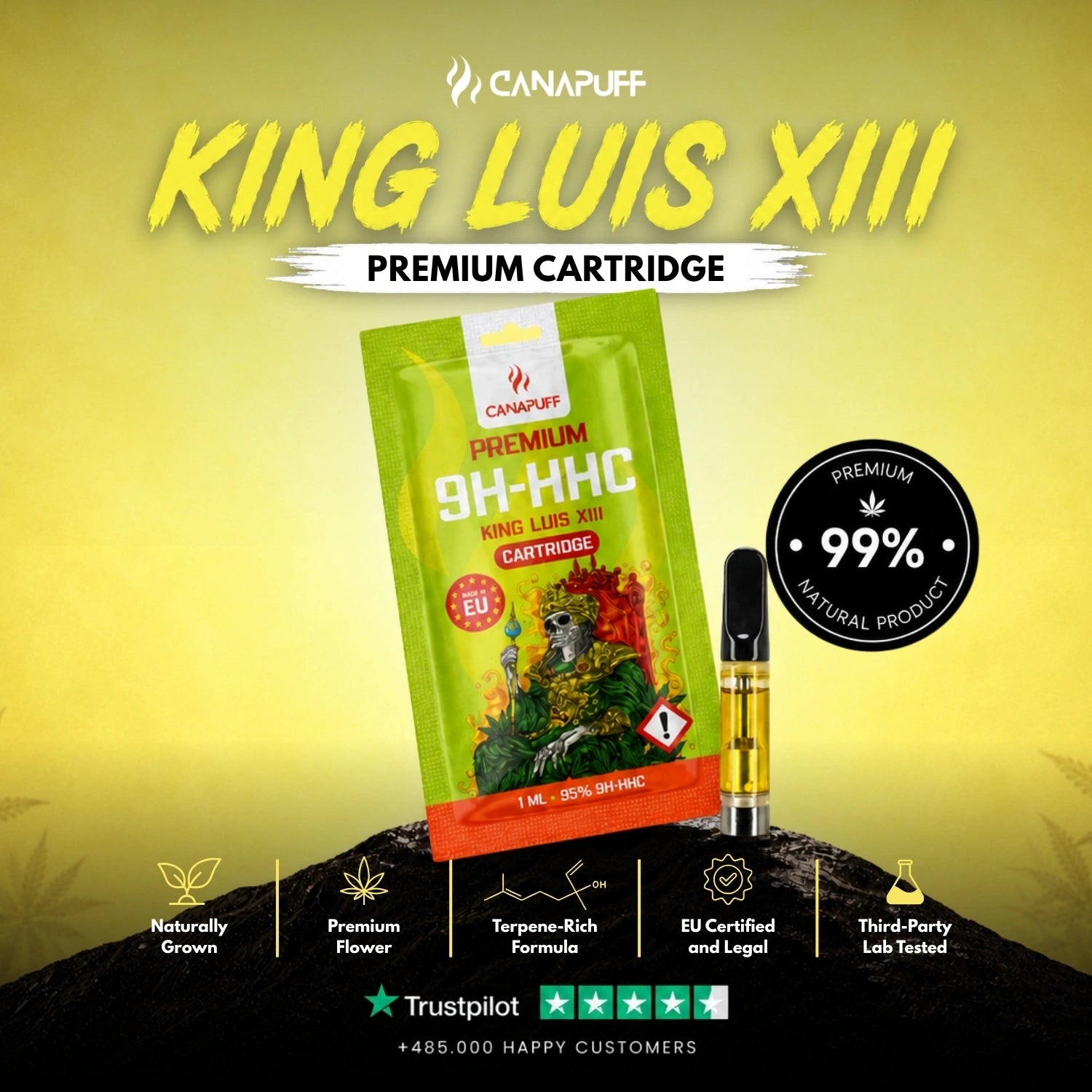
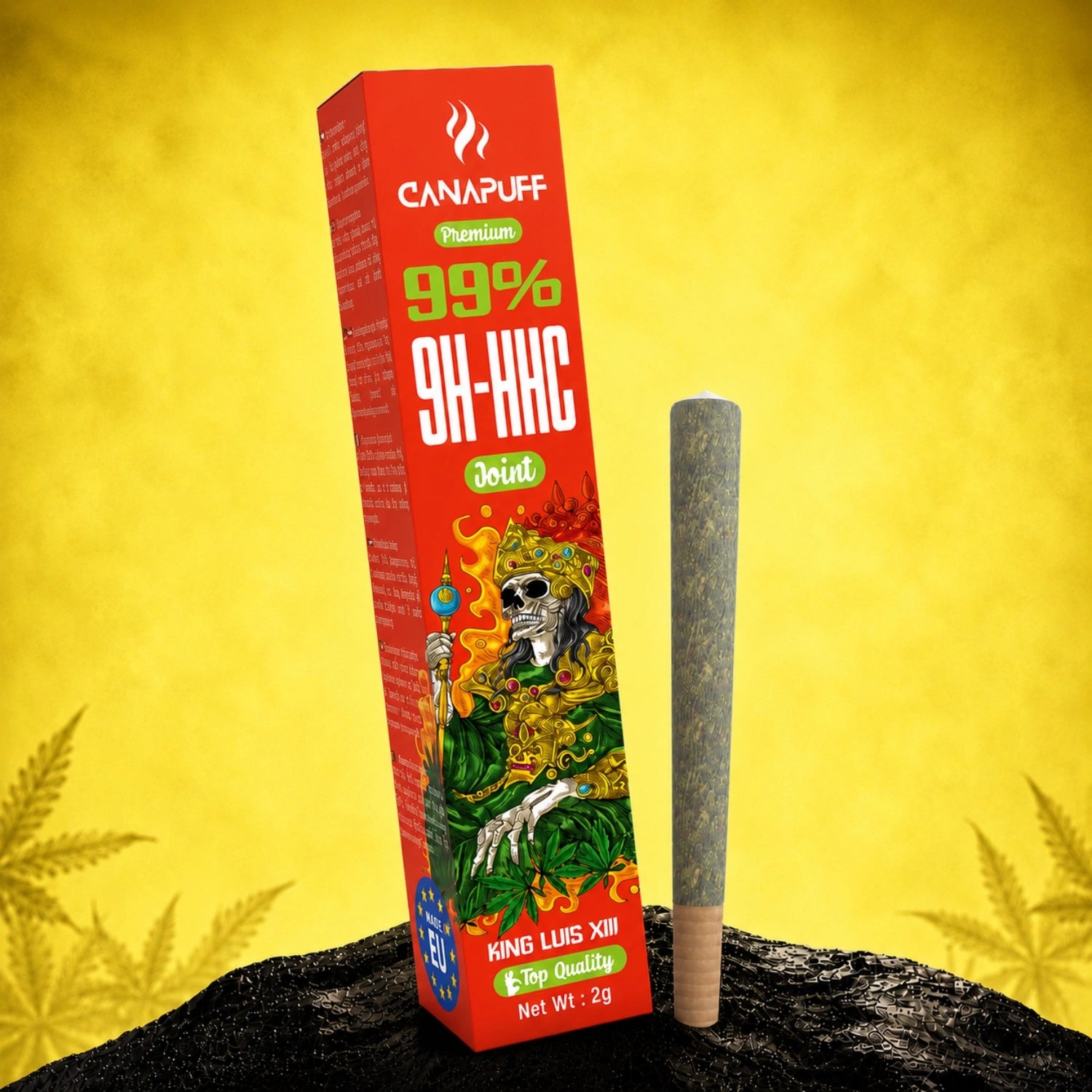
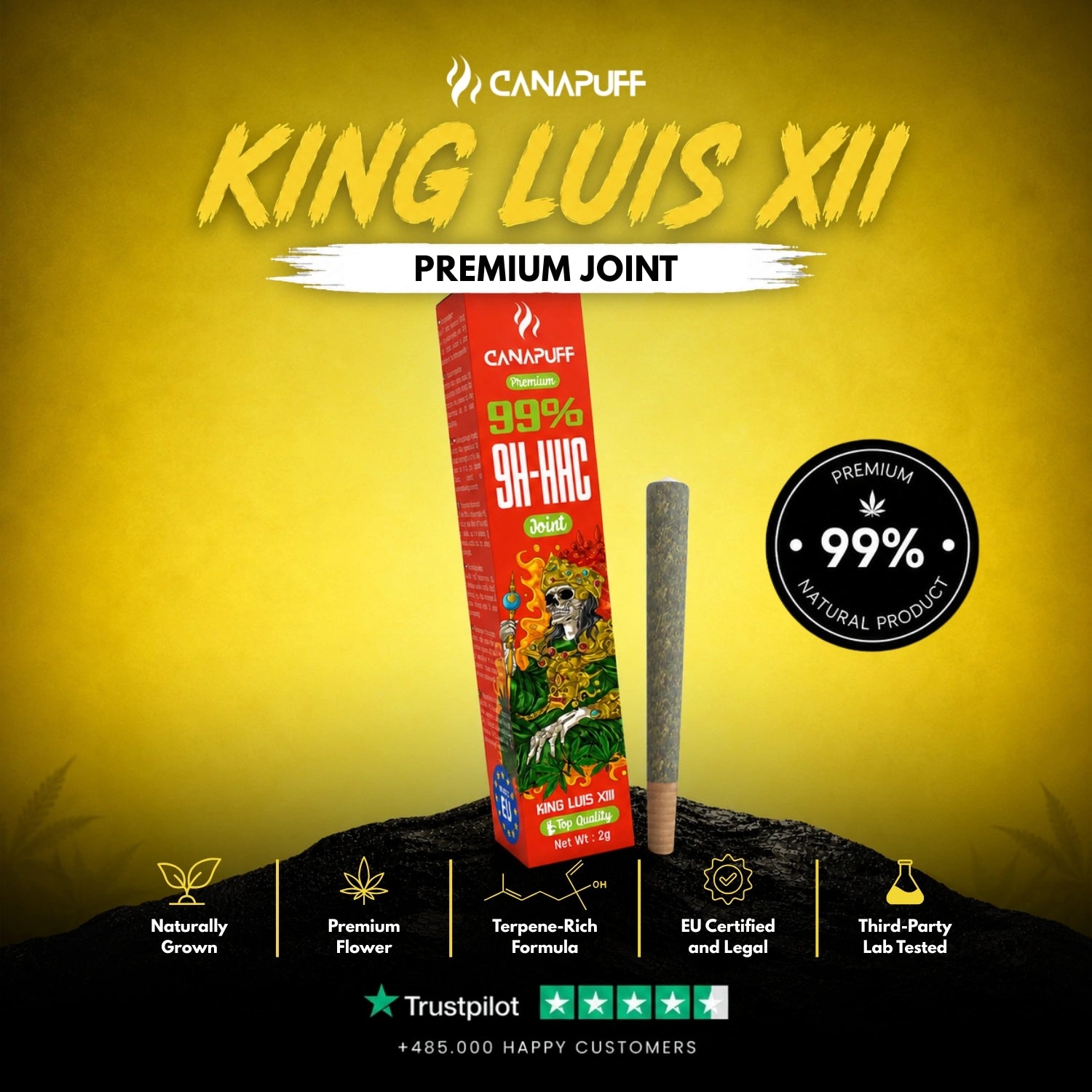
Many people who used 10-OH-HHC before are now actively looking for alternatives. This is where 9H-HHC often comes up. 10-OH-HHC was mainly known for its smooth and balanced effect. It helped people relax without feeling too heavy or overwhelming. After the bans, this exact feeling was suddenly missing. 9H-HHC goes in a similar direction, but it feels a bit clearer for many users. While 10-OH-HHC was often described as “soft” and rounded, 9H-HHC tends to feel more structured. You stay present, can talk normally, and still feel a noticeable sense of calm. There is also a difference in strength. 10-OH-HHC was usually easy to dose and rarely felt too intense. 9H-HHC can feel slightly stronger depending on the product, which is why starting with lower amounts makes sense.
The duration is another point where they differ. 10-OH-HHC was often described as long-lasting and even. 9H-HHC usually comes on a bit faster, but also fades earlier.
Overall, many people don’t see 9H-THC as a direct replacement. Instead, it’s viewed as a new alternative: different, but close enough to the experience that made 9H-HHC so popular.

So What Actually Makes 10-OH-HHC Different?
Let’s be very clear here, because this is where most texts get vague.
10-OH-HHC felt different not because it was extreme, but because of how the effects were distributed. The head effect was noticeable but calm. The body effect was present but not heavy. Many users described it as “clear”, “rounded”, or “balanced”.
Compared to classic HHC, 10-OH-HHC felt more alive and more complete. HHC often feels flat: you feel something, but it doesn’t really evolve. 10-OH-HHC had a small mental lift and a smoother body relaxation at the same time.
Compared to very strong cannabinoids like HHCP or THCP, 10-OH-HHC was much easier to handle. Those stronger compounds tend to hit fast and hard. For many people, that means tension, racing thoughts, or feeling overwhelmed. 10-OH-HHC usually did the opposite: it slowed things down.
This is exactly why the bans in Germany and later in the Czech Republic felt like such a shock. The compound that disappeared was not a “hard hitter”, but one that many users felt comfortable with on a daily level.
When we talk about alternatives today, the real question is not “what is strongest”, but “what comes closest to this kind of balanced experience”.
Conclusion
The ban of 10-OH-HHC in Germany – and shortly after in the Czech Republic – was a turning point. Not because people suddenly stopped looking for alternatives, but because it showed how fast the rules can change.
What really disappeared was not a specific molecule, but a certain type of experience: something balanced, controllable, and easy to understand. That is exactly why newer alternatives exist today.
Compounds like THCa-based products or newer HHC variants do not try to copy 10-OH-HHC one-to-one. Instead, they focus on similar goals: clarity over chaos, moderation over excess, and predictability over surprise.
The market keeps moving, laws will keep changing, but user expectations stay surprisingly stable. People are not looking for the strongest option available – they are looking for something that feels right.
And that is where modern alternatives step in.