Cannabis has captured global attention, not just for its well-known compounds like THC and CBD but also for emerging cannabinoids such as THCa. These lesser-known compounds are gaining recognition for their unique properties and potential benefits. Among the most common questions asked is: Does THCa get you high?
In this guide, we’ll explore everything about THCa—what it is, how it differs from THC, its effects, and its therapeutic potential. We’ll also take a closer look at high THCa flower, how decarboxylation works, and its role in the cannabis industry. If you’re curious about the science behind cannabis or simply want to understand this fascinating compound better, this guide is for you.
What is THCa?
THCa, or tetrahydrocannabinolic acid, is a naturally occurring compound found in raw cannabis plants. It is the acidic precursor to THC, meaning that cannabis produces THCa first, which then converts into THC when exposed to heat or over time.
In its raw form, THCa is non-psychoactive, meaning it doesn’t produce the euphoric effects, or “high,” commonly associated with cannabis. This is due to its unique chemical structure, which includes a carboxylic acid group that prevents it from binding effectively to CB1 receptors in the brain.
For those seeking cannabis’ potential health benefits without intoxication, THCa offers an appealing option. This cannabinoid has attracted increasing attention from researchers and consumers for its therapeutic properties, including its potential anti-inflammatory, neuroprotective, and anti-nausea effects.
The Key Differences Between THCa and THC
Although THCa and THC are closely related, they differ in significant ways that affect how they interact with the body and mind.
Chemical and Functional Differences
THCa and THC share a similar molecular structure, but the presence of a carboxylic acid group in THCa makes it non-psychoactive. This group prevents THCa from binding effectively to CB1 receptors in the brain, which are responsible for triggering the euphoric effects of cannabis.
Property
THCa
THC
Psychoactivity
Non-psychoactive
Psychoactive
Activation
Requires decarboxylation
Active in its natural form
Chemical Structure
Contains a carboxylic acid group
Lacks a carboxylic acid group
Potential Benefits
Anti-inflammatory, neuroprotective
Euphoria, relaxation, pain relief
In essence, THCa is the raw form of THC, offering therapeutic potential without the intoxicating effects. Meanwhile, THC is prized for its psychoactive properties and remains the dominant cannabinoid for recreational use.
How Heat Transforms THCa into THC
When cannabis is heated—through smoking, vaping, or cooking—THCa undergoes decarboxylation, a chemical process that removes its carboxylic acid group. This transforms it into THC, enabling it to interact with CB1 receptors and produce the characteristic high of cannabis.
Does THCa Get You High?
In its raw state, the answer is simple: No, THCa does not get you high. The carboxylic acid group in its structure prevents it from activating the CB1 receptors responsible for the psychoactive effects of cannabis.
However, when THCa is exposed to heat, it transforms into THC, which can then interact with these receptors. This means that raw cannabis, even if rich in THCa, won’t induce a high unless it is smoked, vaped, or cooked.
Does Smoking THCa Get You High?
Yes, if you smoke cannabis flower high in THCa, the heat from combustion triggers decarboxylation, converting THCa into THC. This process activates the psychoactive properties of the plant, allowing you to experience a high. Similarly, vaping or baking cannabis with high THCa content will produce the same effect.
The Science of THCa and Its Effects
THCa interacts with the body through the endocannabinoid system (ECS), a network of receptors and neurotransmitters that regulate various physiological processes such as mood, pain, and appetite.
Why THCa is Non-Psychoactive
The CB1 receptors in the brain are primarily responsible for the psychoactive effects of THC. THCa’s larger molecular structure, due to its carboxylic acid group, prevents it from binding effectively to these receptors. Instead, it interacts with other parts of the ECS, which explains its non-psychoactive nature and its potential therapeutic effects.
Research on THCa’s Therapeutic Potential
Recent studies suggest that THCa offers numerous benefits:
A 2013 study published in Phytochemistry highlighted its anti-inflammatory and neuroprotective potential.
Research from the Journal of Natural Products demonstrated its anti-nausea properties.
Ongoing research suggests it may aid in appetite stimulation without causing intoxication.
These findings underscore the growing interest in THCa for medical use.
High THCa Flower: What You Need to Know
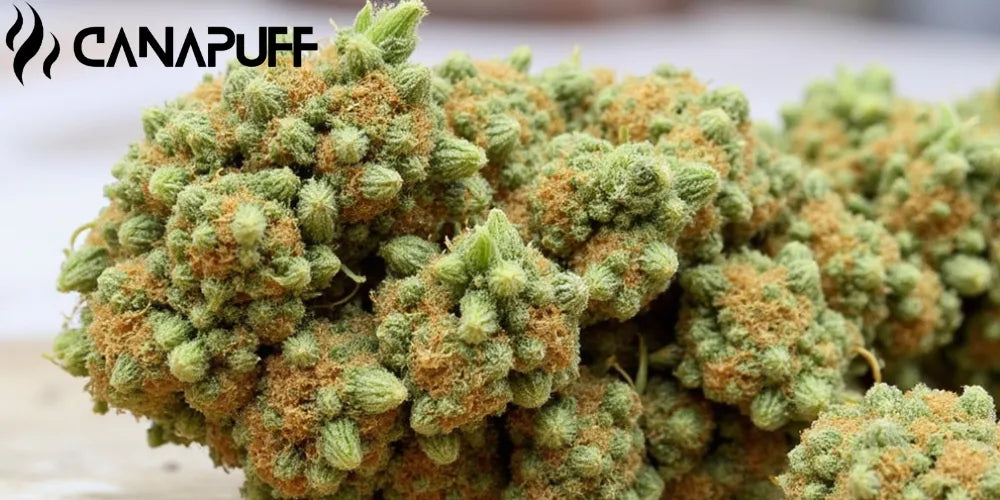
High THCa flower refers to cannabis strains that naturally contain significant amounts of THCa. These strains are typically cultivated to maximize their cannabinoid content and offer versatility for both non-psychoactive and psychoactive use.
Why Choose High THCa Flower?
Non-Psychoactive Use: When consumed raw, high THCa flower provides potential therapeutic benefits without the intoxicating effects of THC.
Psychoactive Potential: If heated, high THCa flower can deliver potent THC effects, making it suitable for those seeking a high.
Popular Uses of High THCa Flower
Raw Consumption: Juiced or blended into smoothies for wellness-focused users.
Smoking or Vaping: Ideal for activating THC and experiencing its psychoactive effects.
Edibles: Used in cooking to create THC-infused products.
High THCa flower offers flexibility, catering to users with a range of preferences.
Benefits of THCa: Beyond Psychoactivity
THCa offers a variety of potential health benefits, making it an exciting option for medical cannabis users. If you want to discover the benefits of THCa in depth, you can read our blog.
1. Anti-Inflammatory Properties
THCa has shown promise in reducing inflammation, which could benefit people with arthritis, inflammatory bowel disease, or other chronic inflammatory conditions.
2. Neuroprotective Effects
Studies suggest that THCa may protect neurons from degeneration, making it a potential treatment for neurodegenerative diseases like Alzheimer’s or Parkinson’s.
3. Anti-Nausea Benefits
THCa’s anti-emetic properties may help reduce nausea and vomiting, providing relief to chemotherapy patients or those with gastrointestinal issues.
4. Appetite Stimulation
While THC is famous for increasing appetite, THCa may also help combat appetite loss without causing a high, making it ideal for certain medical conditions.
FAQs About THCa
Does THCa show up on drug tests?THCa itself does not typically appear on drug tests. However, if it’s converted into THC through decarboxylation, it may result in a positive test.
Can I use THCa for medical purposes?Yes, many consumers and researchers highlight THCa’s potential therapeutic benefits, including anti-inflammatory and neuroprotective properties.
Is THCa legal?The legality of THCa varies by region. In areas where raw cannabis is legal, THCa is generally permitted. However, always check local regulations.
How can I preserve THCa in cannabis?To maintain THCa levels, store cannabis in a cool, dark place and avoid exposing it to heat or sunlight.
Final Thoughts on THCa and Its Unique Role
THCa stands out as a fascinating and versatile cannabinoid, offering non-psychoactive benefits while serving as the precursor to THC. Whether you’re seeking therapeutic relief without a high or exploring the complexities of cannabis science, THCa provides a valuable entry point into the evolving world of cannabinoids.
As research continues to uncover its potential, THCa is poised to play an increasingly significant role in both medical and recreational cannabis use. Understanding its properties, effects, and applications empowers consumers to make informed decisions about their cannabis experience.
For high-quality THCa products and expert guidance, visit trusted providers who prioritise safety, transparency, and innovation in cannabis.
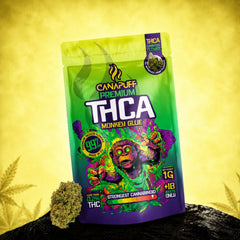
For premium-quality THCA flower that guarantees purity, potency, and an exceptional cannabis experience, Canapuff is your best place to buy THCA flower. Discover our carefully curated selection and shop with confidence, knowing you’re choosing the best in the industry.