


 +
 +





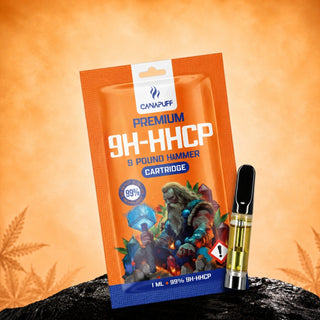
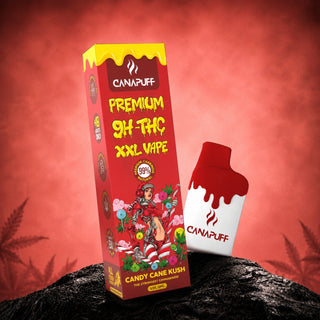
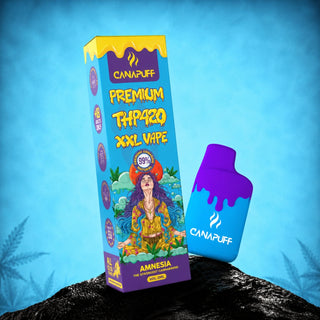
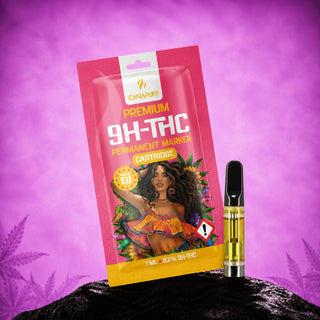
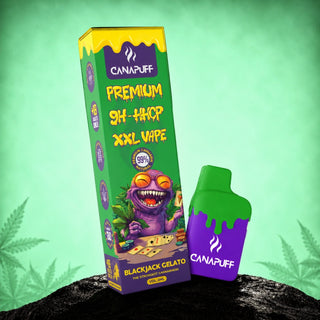
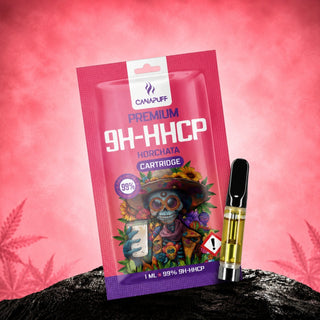
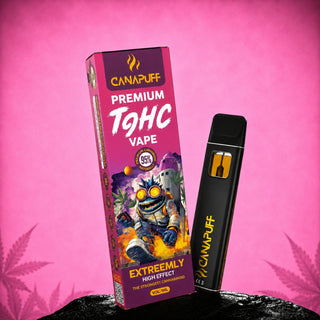
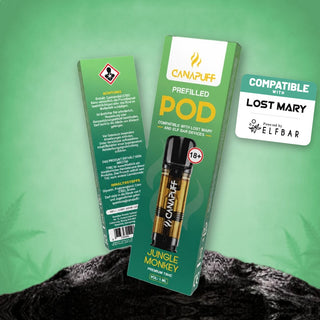
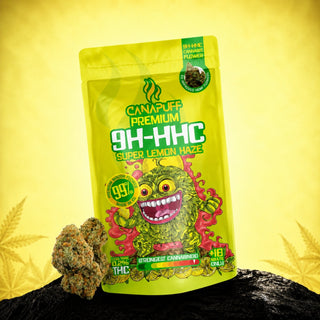
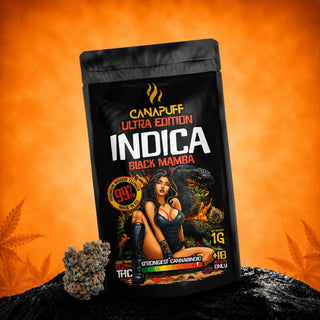
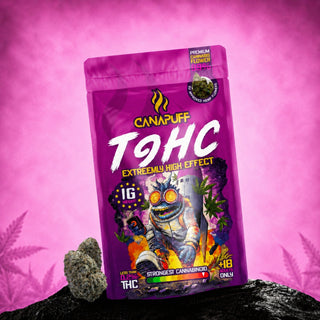
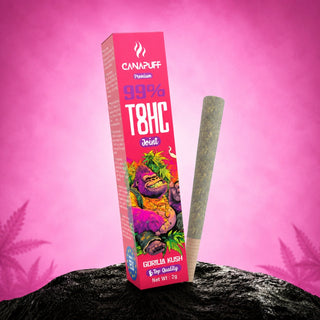
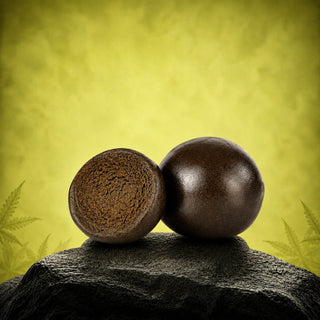
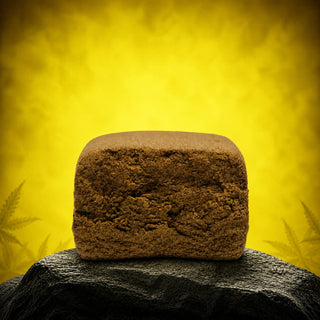
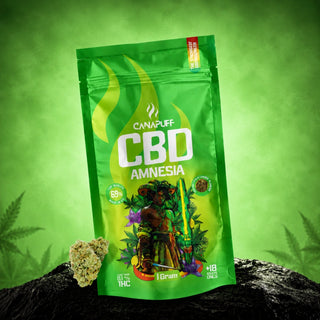
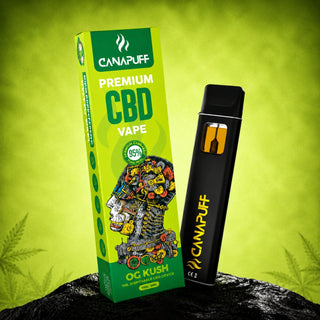
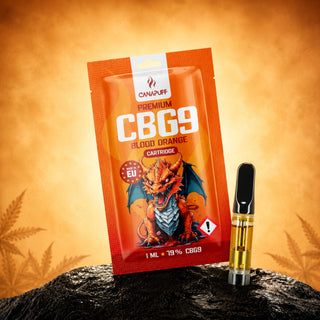


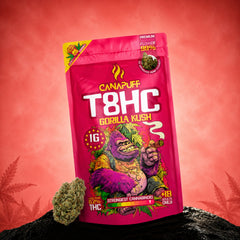
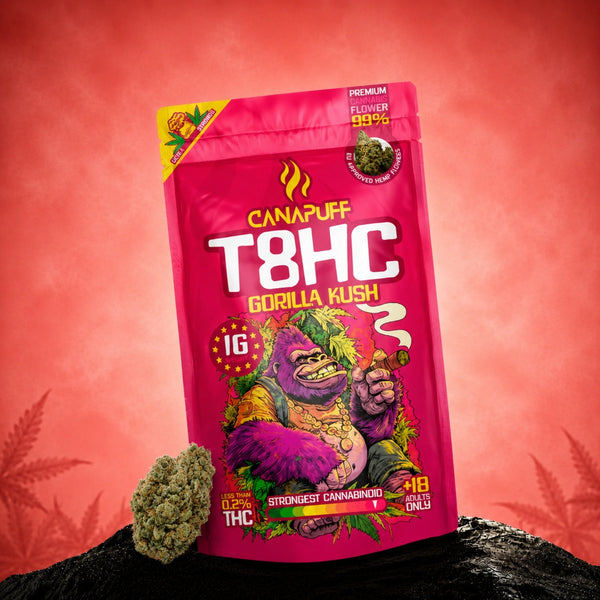

Table of contents
- T8HC vs T9HC: the short answer ›
- What is T8HC and what is T9HC ›
- How the two compounds differ chemically and in production ›
- T8HC vs T9HC effects: what users report ›
- Which is stronger, T8HC or T9HC ›
- Legal status of T8HC and T9HC in Germany and the EU ›
- T8HC and T9HC products compared: flowers, vapes, joints, cartridges ›
- T8HC and T9HC and driving or drug tests ›
T9HC is the one usually described as stronger and longer lasting, T8HC as clearer and shorter, and neither description comes from a published human study. Both names are trade names for semi-synthetic cannabinoids sold in parts of Europe, and both are marketed by the same brands in the same formats. What separates them on paper is the structure the name points to: a delta-8 type arrangement for T8HC, a delta-9 type arrangement for T9HC. What separates them in a shop is mostly the strain menu and the user reports attached to each.
Key facts
- T8HC and T9HC are product names, not substances defined in a pharmacopoeia. No clinical study has measured the potency, onset or duration of either in people.
- In the Canapuff range both appear at high declared purity: flowers, joints, hash and cartridges at 95 to 99 percent, disposable vapes at 95 or 99 percent in 1 ml.
- HHC, the closest documented relative of this product family, illustrates how quickly cannabinoid regulation can shift from country to country.
- Rules for newer cannabinoids are set nationally and change quickly. Check the current national list before you order or travel.
| Aspect | T8HC | T9HC |
|---|---|---|
| Origin and production | Hemp-derived, converted in a reactor from an extracted cannabinoid such as CBD | Hemp-derived, same semi-synthetic production logic |
| Chemical relation to THC | Name refers to a delta-8 type double bond position | Name refers to a delta-9 type double bond position |
| Formats in the shop | Flowers, 1 g and 2 g joints, cartridges, pen and cartridge sets, 1 ml vapes, 1 ml pod | Flowers, joints, hash, cartridges, pen and cartridge sets, 1 ml vapes |
| Declared strength | 95 to 99 percent across flowers, joints, cartridges and vapes | 95 to 99 percent across flowers, joints, hash, cartridges and vapes |
| User-reported intensity | Reported as clearer and shorter | Reported as heavier and longer lasting |
| Legal status | Decided nationally, no single EU rule. The national picture for semi-synthetic cannabinoids changes over time | |
T8HC vs T9HC: the short answer
The two are sold as close relatives, with T9HC positioned as the heavier option and T8HC as the more manageable one. That positioning rests on the naming logic borrowed from delta-8 and delta-9 THC, where the delta-9 isomer is the more active of the pair at the CB1 receptor. Whether the same relationship holds for T8HC and T9HC has never been tested in a laboratory that published its results.
For a buyer the honest summary is short. Both are high-percentage products aimed at people with cannabinoid experience. Both come from the same production logic. The difference you can verify is the product menu: T8HC products are based on Gorilla and Kush style strains plus an Ultra Edition line, while T9HC products use effect names such as Balanced, Deep, Euforic and Extreemly, and include hash as a format.
What is T8HC and what is T9HC
T8HC is a hemp-derived, semi-synthetic cannabinoid sold under a brand name, with the "8" referring to a delta-8 type double bond position. Sellers describe the experience as euphoric at the start and more physical later. Those are impressions collected from buyers, not endpoints measured in a trial. Our separate article What is T8HC? covers the background of the name in more detail.
T9HC follows the same pattern with a delta-9 type reference. Because delta-9 THC is the main psychoactive compound in cannabis, the name alone creates an expectation of a classic, heavy effect, and user reports tend to confirm that expectation. Expectation and effect are difficult to separate when nobody has run a blinded comparison. The background of this compound is covered in What is T9HC?.
Most of the published analytical and toxicological work on this product family still concerns HHC and delta-8 THC rather than these two trade names. That gap tells you how young the labels are.
How the two compounds differ chemically and in production
Both are made by chemically converting a cannabinoid extracted from low-THC hemp, usually CBD, into a different molecule in a reactor. The starting material is agricultural. The finished molecule is the result of an acid-catalysed or hydrogenation step, which is why the category is called semi-synthetic. This market moves fast, and limited information is available even on the better known members of the group.

Conversion reactions rarely produce one single isomer. They produce a mixture, and the ratio between isomers depends on the catalyst, the temperature and the purification step. A 2023 analysis published in ACS Chemical Biology that reviewed certificates of analysis for commercial HHC products found wide variability in isomer ratios across commercial products. The same production chemistry sits behind T8HC and T9HC.
What 99 percent on a label actually refers to
A figure such as 99 percent describes the declared purity of the distillate or extract used in the product, not the share of the finished flower or joint. A 99 percent T8HC flower is a hemp flower that has been coated or infused with that extract. The percentage says how clean the active material is claimed to be. It says nothing about how the finished gram will feel, because the amount applied and the terpene mix change the result.
Before buying any semi-synthetic cannabinoid, ask the seller for a recent third-party certificate of analysis and check which tests it covers: main compound, related isomers, residual solvents and heavy metals.


T8HC vs T9HC effects: what users report
User reports converge on one pattern: T8HC is described as brighter and shorter, T9HC as heavier and longer. That pattern repeats across forums and shop reviews, and it repeats because people read it before they try. Consider that feedback loop when you read any comparison, including this one.
The descriptions that appear most frequently:
- Onset: with inhaled formats, reported within minutes, building over the following half hour. With flowers and joints the same window applies, since the route is the same.
- Head effect: T8HC described as clearer and more functional, T9HC as more absorbing and closer to a classic cannabis high.
- Body effect: both described as relaxing, T9HC more frequently as physically heavy.
- Duration: T9HC reported as lasting noticeably longer, although the numbers people give range from two to six hours and depend on the amount used.
- Side effects: dry mouth, raised heart rate, dizziness and anxiety appear in reports for both, as they do for cannabinoids in general.
No peer-reviewed publication has measured any of these points for either compound. Individual response to cannabinoids varies widely between people, and some report that small amounts of either one were already too much for them.
Which is stronger, T8HC or T9HC
There is no measured potency ranking between T8HC and T9HC, only an analogy borrowed from delta-8 and delta-9 THC. In that older pair the relationship is documented. A peer-reviewed review of the chemistry and pharmacology of delta-8 THC describes it as a positional isomer of delta-9 THC with lower activity at the CB1 and CB2 receptors, and notes that commercial delta-8 THC is typically produced through chemical synthesis from other cannabinoids rather than extracted directly from the plant.
Applying that gradient to T8HC and T9HC is an assumption. It may well be correct. It has not been demonstrated. The practical consequence is that a percentage on a label cannot be compared across the two names the way you compare alcohol by volume between two drinks.
Two things do shift the perceived strength in a way that can be verified: the format and the amount of extract in it. A 1 ml vape at 95 percent delivers the active material in short, repeatable inhalations. A 2 gram joint at 99 percent delivers it in one session that is difficult to interrupt once started. Format changes the experience more reliably than the letter in the product name.
Legal status of T8HC and T9HC in Germany and the EU
The legal status of new semi-synthetic cannabinoids is decided nationally and changes often, so no shop can tell you that a compound is permitted where you live. Rules for related cannabinoids such as HHC illustrate how much these rules differ between countries and how quickly they can change. National rules on new psychoactive substances may cover defined chemical groups rather than individual trade names, which means a compound can fall under a rule without ever being listed by its marketing name.
T8HC and T9HC are younger names, and national lists are updated at different speeds. A compound that is unlisted in one country may be covered in the next one by a group definition rather than by its trade name. Our country overview HHC and CBD in 2026: the rules in every European country tracks the current picture and is a starting point for your own check, not legal advice.
Carrying such products across a border is a separate question from buying them at home. Customs rules follow the law of the country you enter.
T8HC and T9HC products compared: flowers, vapes, joints, cartridges
The format decides how fast the effect arrives and how much control the user has over it, more than the choice between the two cannabinoids. Both names cover a similar product range, with a few differences in what each line offers.

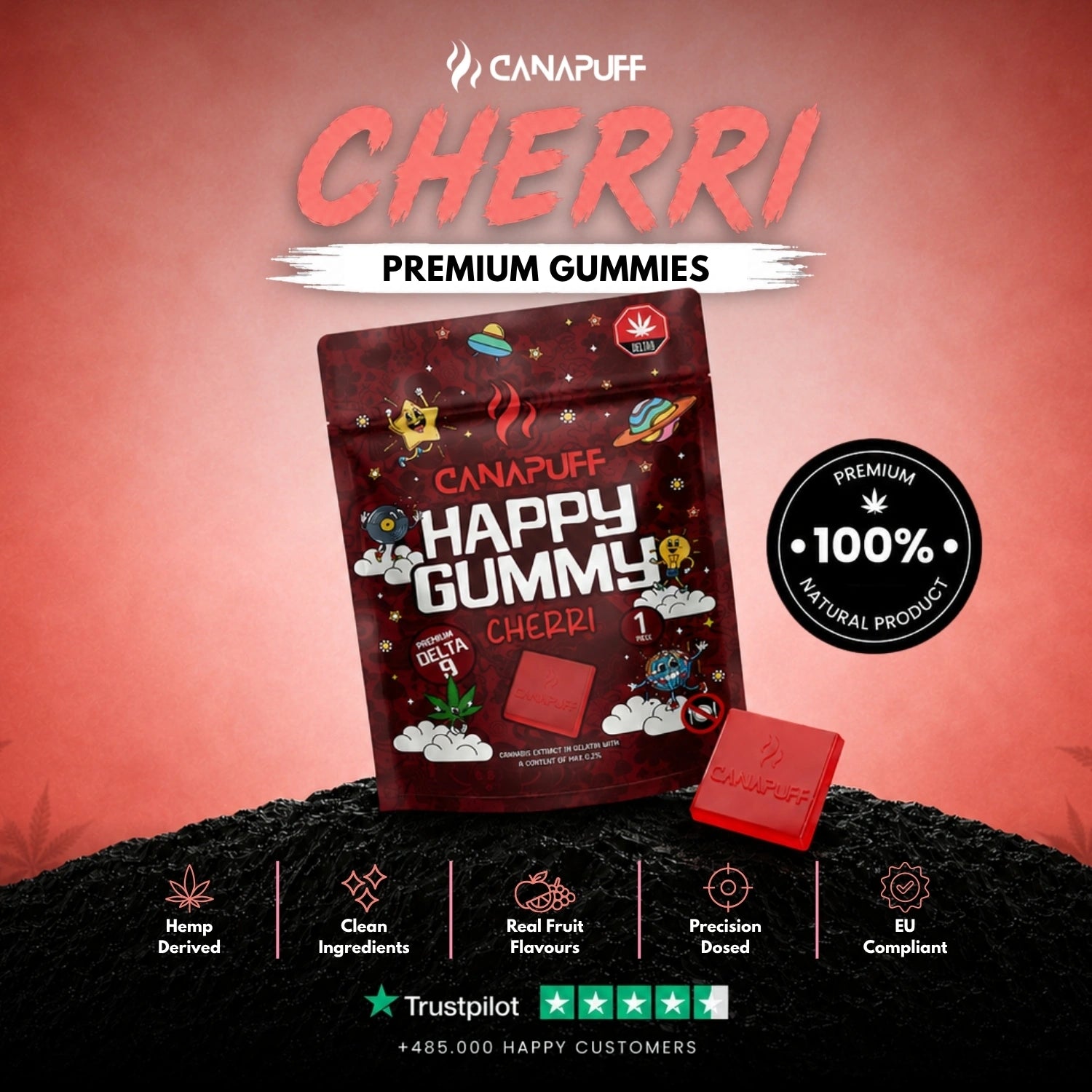
- Flowers: hemp flowers with a high-percentage extract applied. T8HC flowers use strain names such as Gorilla Kush, King Gorilla, Jungle Monkey and the Ultra Edition line with OG Kush, AK47, Green Crack and Double Bubble. T9HC flowers use the effect names Balanced, Deep, Euforic, Extreemly, plus Purple Queen, Maui Wowie and Blue Widow.
- Joints: pre-rolled, 2 gram standard and 1 gram Ultra Edition on the T8HC side, 99 percent on both sides. The format that is hardest to interrupt once lit.
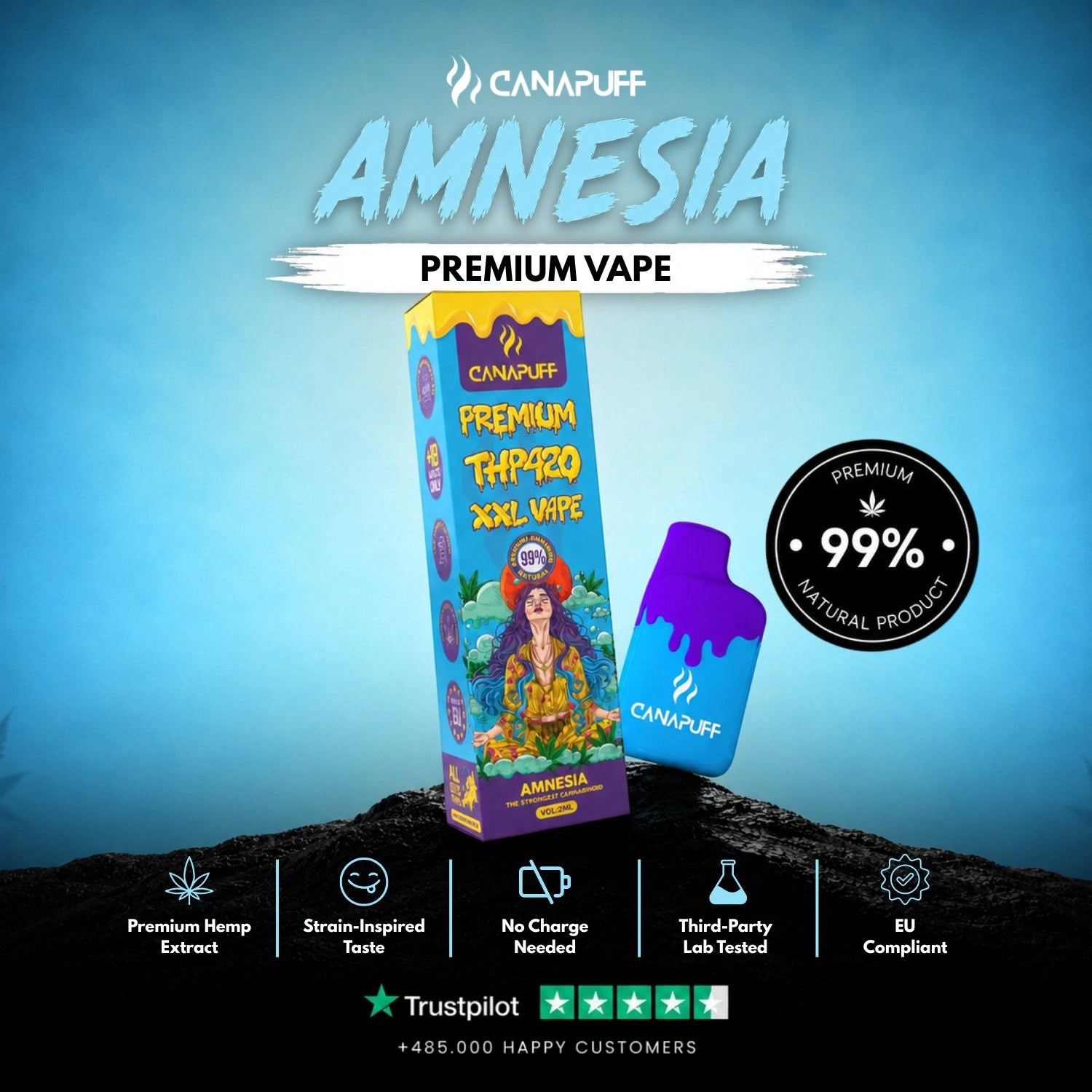
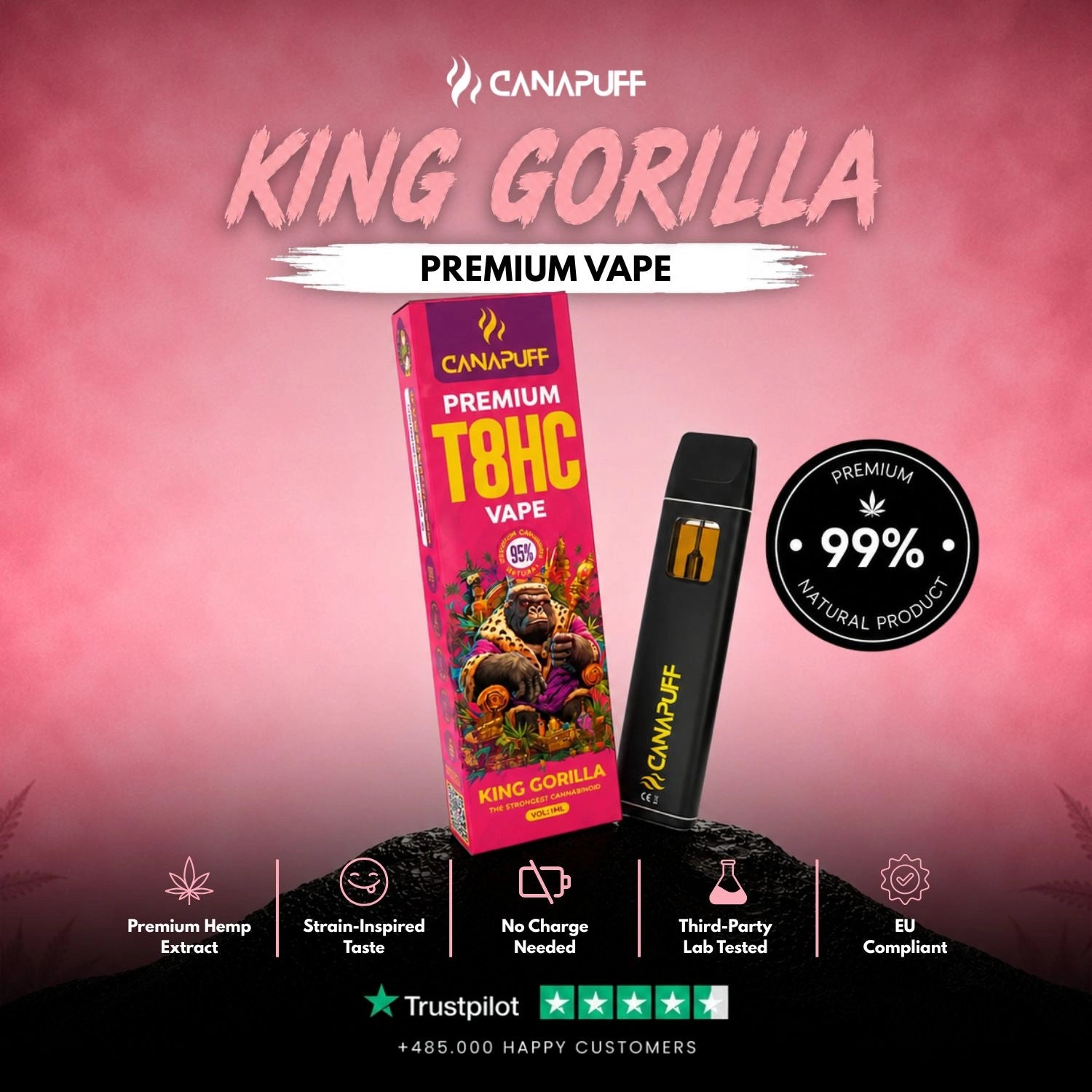
- Disposable vapes: 1 ml at 95 percent in the classic lines and 99 percent in the Ultra Edition. See T8HC vapes and T9HC vapes for the current strain list.
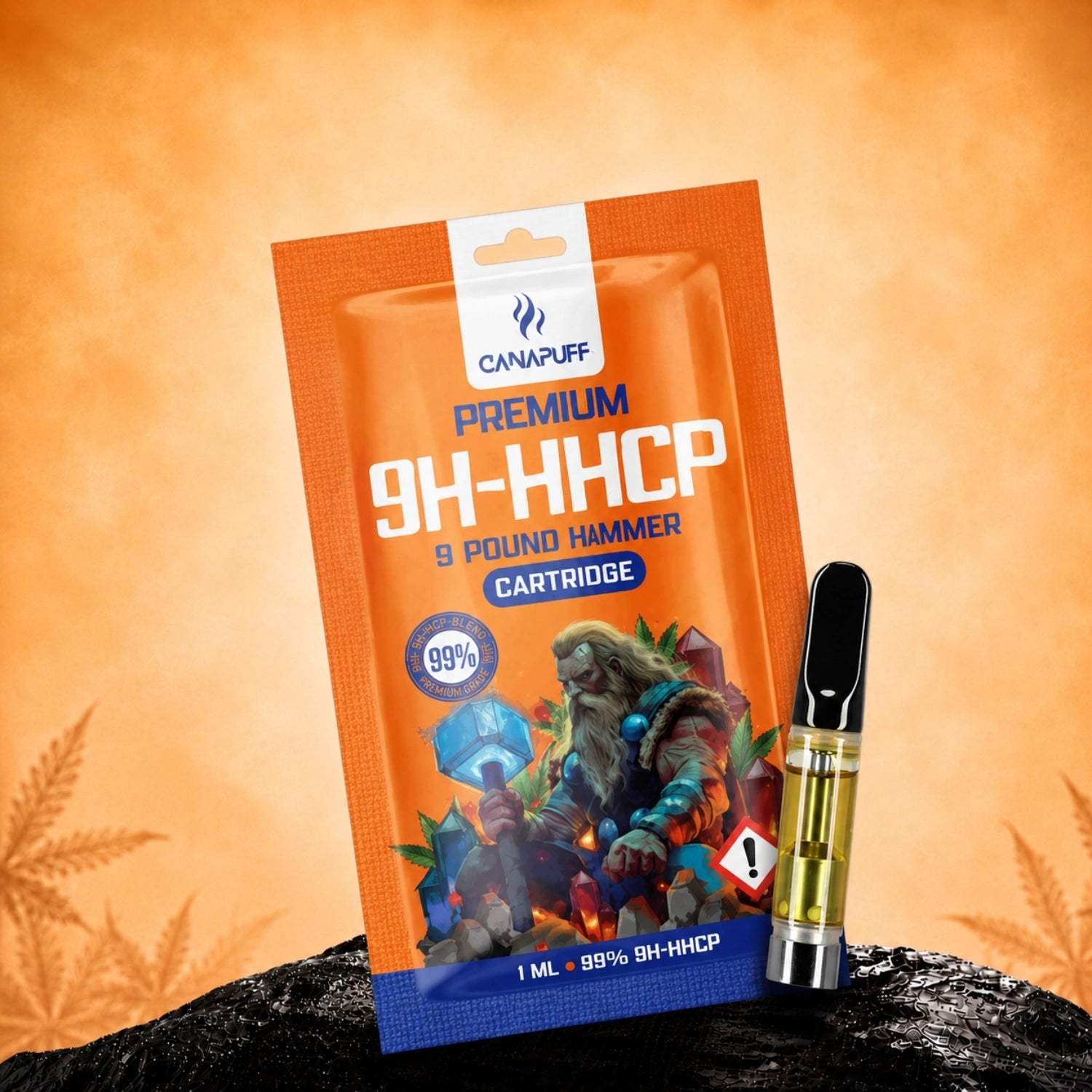
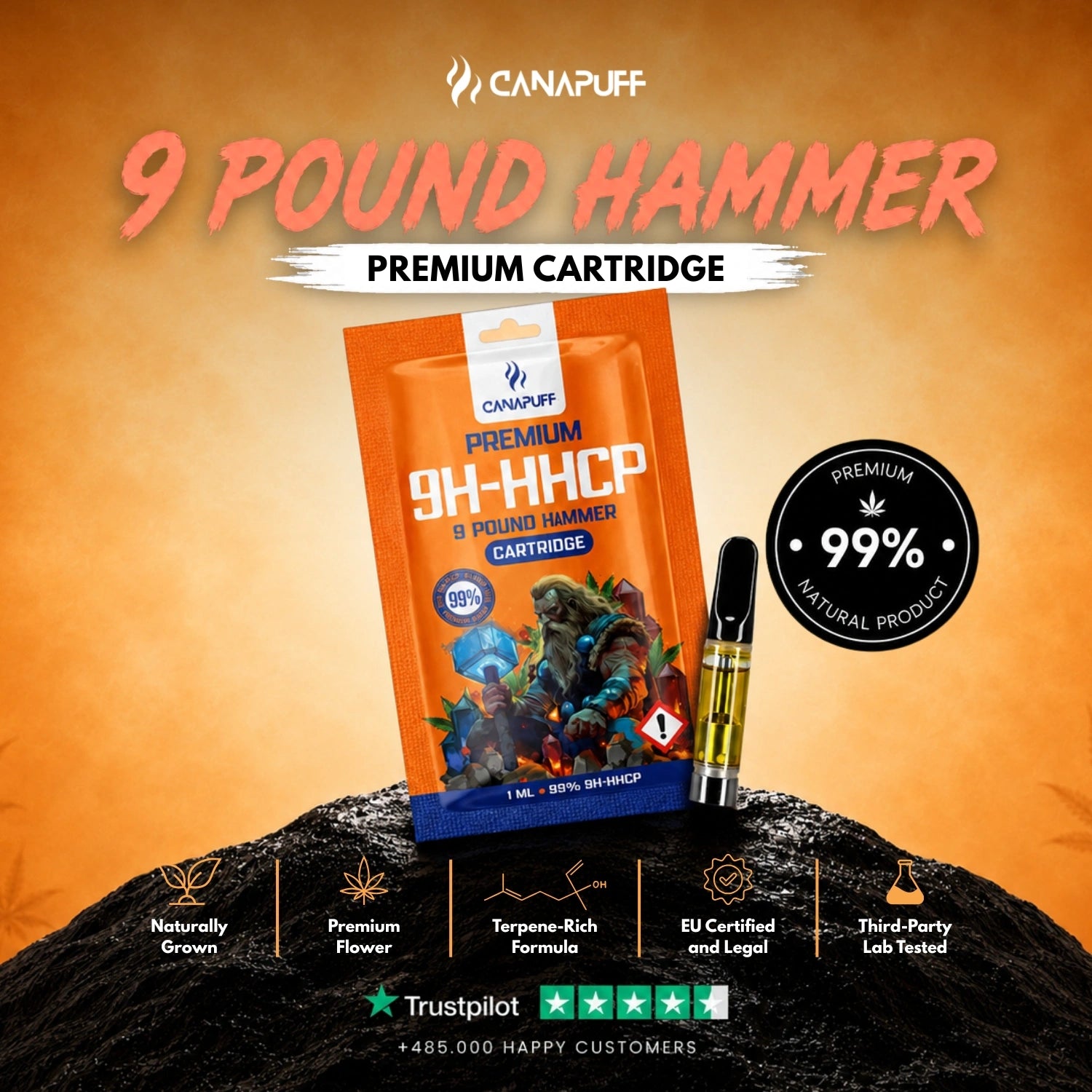
- Cartridges and pen sets: 99 percent cartridges compatible with standard vape batteries, sold alone or as a pen and cartridge bundle. Reusable hardware, replaceable cartridge.
- Hash and pods: T9HC is also available as 99 percent hash, T8HC as a 1 ml pod. These are the two formats where the lines differ most.
Formats differ in how much control there is over timing. A vape or a cartridge is put down between inhalations, while a lit joint or a flower bowl continues to burn. Every listing shows the declared percentage for the item, and the Canapuff product finder filters the range by format.



T8HC and T9HC and driving or drug tests
Standard roadside and workplace tests were built to detect THC metabolites, and cross reaction with structurally related cannabinoids cannot be excluded. Immunoassay strips react to a molecular shape rather than to one exact molecule. A compound built on a delta-8 or delta-9 skeleton resembles that shape closely. Standard drug screening methods were not designed for these newer cannabinoids, which is why a negative result is not something you can rely on. A positive screening result is usually confirmed in a laboratory, where the confirmation method searches for specific target substances.
Impairment is the separate issue. Reaction time, attention and coordination can be affected by any psychoactive cannabinoid, and driving under the influence of a psychoactive substance can carry legal consequences even where the substance itself is not on a controlled list. No detection window has been published for T8HC or T9HC, so nobody can state how long traces remain measurable in blood or urine.