


 +
 +





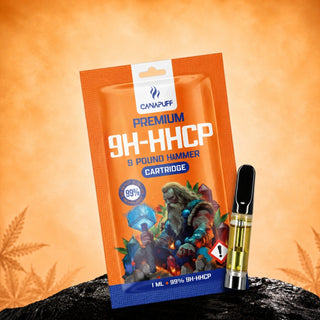
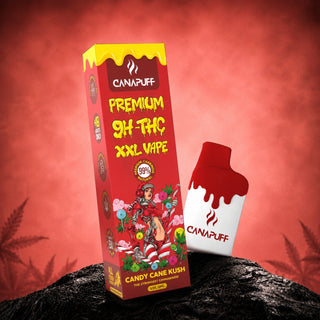
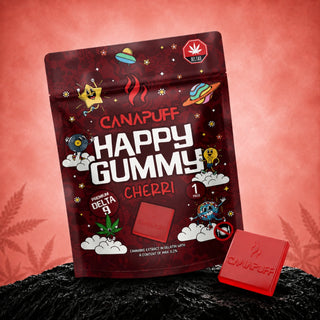
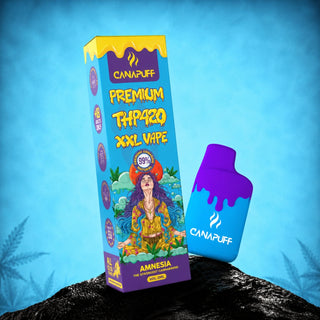
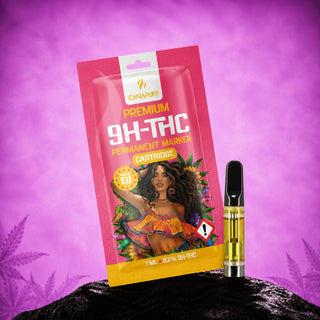
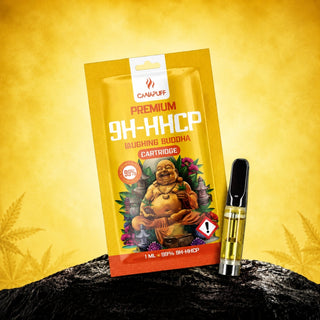
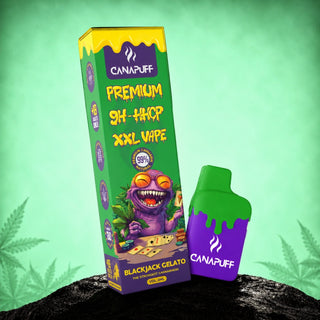
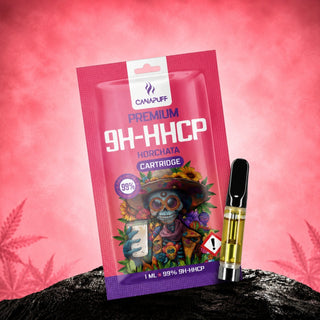
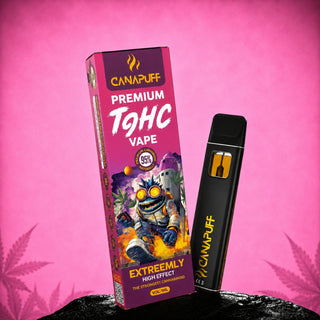
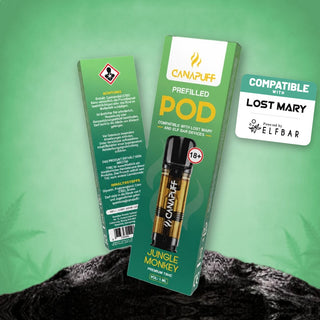
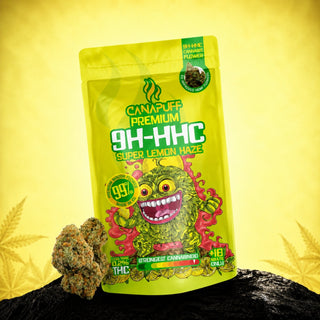
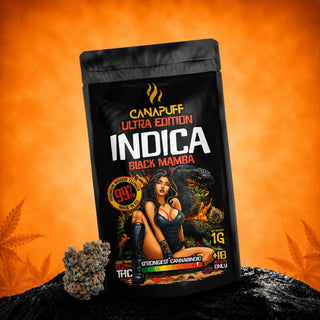
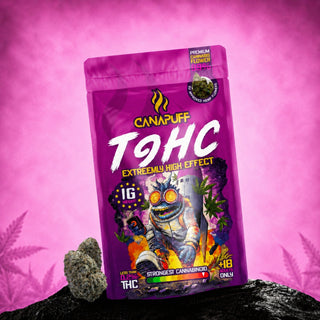
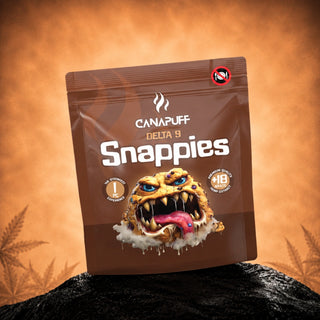
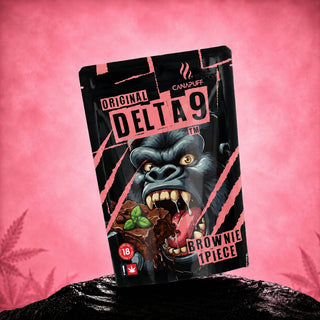
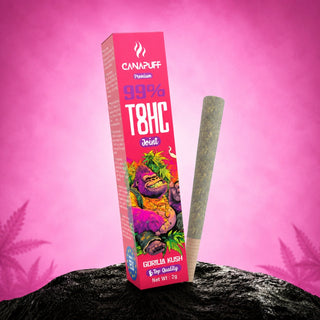
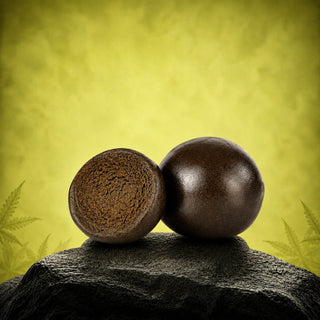
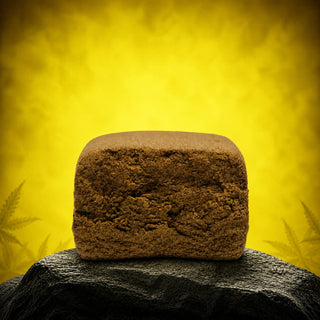
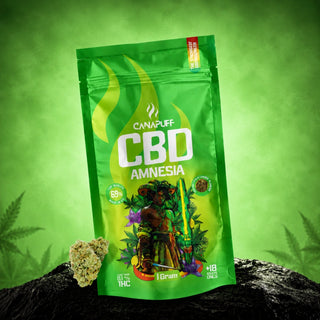
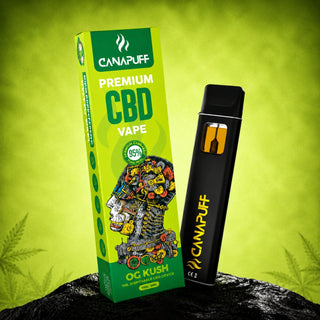
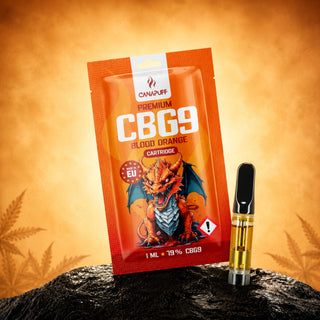



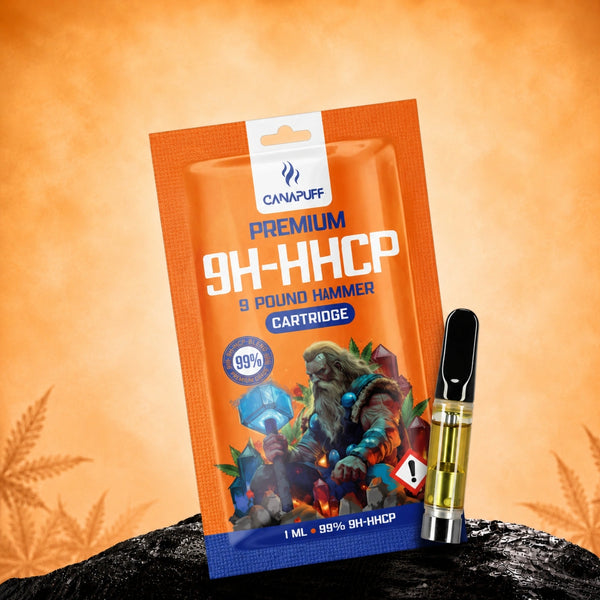

Cannabinoids are a large group of chemical compounds. Many of them are found in the cannabis plant, and the human body also produces similar compounds of its own. This guide explains what cannabinoids are, how scientists discovered them and how the best known ones differ in their chemistry. You can see the cannabinoid products we sell in our bestsellers.
What are cannabinoids?
Researchers have identified more than 100 cannabinoids in cannabis (Wikipedia: Cannabinoid). They are produced in the small resin glands on the flowers, which are called trichomes. The two best known cannabinoids are THC (tetrahydrocannabinol) and CBD (cannabidiol). Most others are present only in small amounts and are often called minor cannabinoids.
Scientists sort cannabinoids into three groups:
- Phytocannabinoids: produced by plants, for example THC, CBD, CBG and CBN.
- Endocannabinoids: produced by the human body, for example anandamide.
- Semi-synthetic cannabinoids: made in a laboratory from plant compounds, for example HHC and HHCP.
What is the endocannabinoid system?
The endocannabinoid system was described in the late 1980s and early 1990s, when researchers found the receptors that THC binds to (Wikipedia: Endocannabinoid system). It has three parts: receptors (called CB1 and CB2), the endocannabinoids that the body makes, and enzymes that break them down. Research on this system is still ongoing.
THC
THC was first isolated in 1964 by the Israeli chemists Raphael Mechoulam and Yechiel Gaoni (Wikipedia: Tetrahydrocannabinol). It is the cannabinoid that most laws on cannabis refer to. In many European countries, products are regulated by their THC content, and the limits differ from country to country.
THCP
THCP (tetrahydrocannabiphorol) was first described in 2019 by a team of Italian researchers (Citti et al., Scientific Reports, 2019). Its chemical structure is very close to THC. The difference is the side chain of the molecule: THC has five carbon atoms in this chain, THCP has seven. THCP occurs in cannabis only in very small amounts.
HHC and HHCP
HHC (hexahydrocannabinol) and HHCP are semi-synthetic cannabinoids. They are made by adding hydrogen to other cannabinoids, a process called hydrogenation. Many European countries have restricted HHC in recent years. In Germany, for example, HHC has been listed in the narcotics law (BtMG) since May 2026.
CBD
CBD (cannabidiol) was first isolated in 1940 (Wikipedia: Cannabidiol). Industrial hemp varieties are bred to contain a lot of CBD and very little THC. You can find our CBD range in the CBD collection and hemp flowers in CBD flowers.
Minor cannabinoids
- CBG (cannabigerol): the precursor from which the plant forms THC and CBD. See our CBG products.
- CBN (cannabinol): forms when THC breaks down over time, for example through heat or light. See our CBN products.
- THCV (tetrahydrocannabivarin): similar to THC, but with a shorter side chain. See our THCV products.
How cannabinoids differ
The main differences between cannabinoids are their chemical structure, how common they are in the plant and how they are regulated. A cannabinoid that occurs naturally is not automatically allowed, and a cannabinoid made in a laboratory is not automatically banned. The rules depend on the law of each country, so always check the current rules where you live. You can browse our full range of cannabinoid products and flowers.
Frequently asked questions
How many cannabinoids are there?
Researchers have identified more than 100 cannabinoids in the cannabis plant. Only a few of them, mainly THC and CBD, are present in larger amounts.
What is the difference between THC and THCP?
The difference is the length of the side chain of the molecule. THC has five carbon atoms in this chain, THCP has seven. THCP was first described in 2019.
Are all cannabinoids found in the plant?
No. Phytocannabinoids come from plants, endocannabinoids are produced by the human body, and semi-synthetic cannabinoids such as HHC are made in a laboratory.
Who discovered THC?
THC was first isolated in 1964 by Raphael Mechoulam and Yechiel Gaoni in Israel.