










Table of contents
THCO (tetrahydrocannabinol-O-acetate) has quickly gained notoriety in the cannabis community for its powerful effects and intense potency. Some consumers and even certain brands have gone so far as to describe it as a "psychedelic THC." But does it really live up to this claim, or is THCO simply another variation of the well-known Delta-9 THC with a twist?
The question on many people's minds is: Is THCO really a psychoactive cannabinoid? In this article, we'll examine the chemical makeup of THCO, its psychoactive properties, the intensity of its effects, and how it compares to other cannabinoids. By the end, we hope to uncover the truth behind this emerging cannabinoid and its place in the world of cannabis consumption.
Interestingly, THCO is not naturally occurring in the cannabis plant. Instead, it's synthesized from other cannabinoids, like Delta-8 THC or Delta-9 THC, in a lab. Though THCO itself doesn’t have a presence in nature, its effects and potency are making waves in the cannabis market.
Now, to answer the question directly: Is THCO a truly psychoactive cannabinoid?
Yes, THCO is a psychoactive cannabinoid, but to what extent? The term "psychoactive" means that the substance affects the mind, mood, or consciousness. Like other THC compounds, THCO does, in fact, have psychoactive effects. However, the intensity of those effects is what differentiates THCO from other cannabinoids.
When compared to traditional Delta-9 THC, THCO is much more potent. Many consumers report that THCO produces a much stronger high, which can last longer than the effects of regular THC. In fact, THCO is believed to be two to three times more potent than Delta-9 THC. This potency is attributed to the acetate modification in THCO, which not only increases its strength but also changes how it binds to the body’s cannabinoid receptors.
A typical THCO high is described as more intense and psychedelic than a standard THC experience, with effects ranging from deep relaxation to heightened euphoria, and in some cases, even altered perceptions of reality. This might explain why some people label THCO as "psychedelic THC," though its effects are still more in line with typical THC-induced euphoria, just on a stronger scale.
One of the key characteristics that sets THCO apart from Delta-9 and other cannabinoids is the delayed onset. Unlike traditional cannabis products that take effect almost immediately after consumption, THCO can take 20-30 minutes or longer to kick in. This delayed onset can be misleading for users who are accustomed to the immediate effects of regular THC, leading them to consume more than necessary.
Once the effects of THCO hit, they tend to last significantly longer—sometimes up to 8-10 hours—giving users an extended period of euphoria, relaxation, and introspection.
While many consumers describe THCO as having "psychedelic" qualities, it’s important to clarify the difference between psychedelics and strong psychoactive substances. True psychedelics—like LSD or psilocybin (magic mushrooms)—produce visual and auditory hallucinations, profound alterations in perception, and deep, often spiritual, introspection.
THCO, however, does not consistently produce these kinds of effects in users. It may create more pronounced euphoria, relaxation, and a distorted sense of time, but it does not cause the intense visual distortions or auditory hallucinations that are typically associated with psychedelics.
In short, THCO can provide a stronger high than regular THC, and some users might experience a more profound mental or sensory experience, but it doesn’t fully align with the characteristics of traditional psychedelics.
When considering THCO, it helps to look at both user experiences and risks. Like many cannabis-derived substances, THCO has both beneficial and potentially harmful effects, depending on how it is used.
Reported experiences with THCO: Health Risks of THCO:
While THCO is not inherently harmful when used responsibly, it is essential to understand that, like all potent substances, it should be consumed with care and moderation. It's best to consult with a healthcare provider if you have concerns regarding your health.
For context, let's compare THCO’s strength with other cannabinoids:
Because of its potency, THCO is recommended primarily for seasoned users who are familiar with the effects of strong THC-based products. Beginners should avoid using THCO due to the intensity of its effects.
While THCO is an active, psychoactive cannabinoid, THCA (tetrahydrocannabinolic acid) is its non-psychoactive precursor. THCA is found in raw cannabis and becomes psychoactive only when heated, a process known as decarboxylation.
Key Differences Between THCO and THCA:
In summary, while both THCO and THCA are part of the THC family, their properties and effects are vastly different due to their chemical structures.
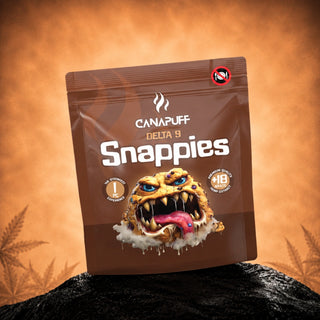
THCO gummies and other THCO edibles have gained popularity as an alternative to smoking or vaping cannabis. These edibles are infused with THCO and offer a more discreet, longer-lasting experience than inhaled cannabis products.
Features of THCO edibles: Potential Downsides of THCO Edibles:
As we’ve discussed, THCO is much stronger than Delta-9 THC, but is it significantly different in its effects? The main difference lies in the intensity and longevity of the high. While Delta-9 THC provides a quick onset of effects, THCO’s delayed onset and longer duration can make it a more intense and sometimes overwhelming experience.
Key differences:
Delta-8 THC has been touted as a more mild version of Delta-9 THC, and while it is often praised for producing a smoother, less intense high, THCO is much more potent and may have stronger effects.
Key differences:
Like any strong substance, THCO comes with potential risks. Because of its potency, the effects of overconsumption can be quite overwhelming. Users who are unfamiliar with its strength might experience anxiety, paranoia, or hallucinations when they consume too much THCO.
Additionally, as a synthetic cannabinoid, THCO has not been extensively studied for its long-term effects. There is also some concern over the purity and safety of THCO products, as they are not always regulated, and may contain contaminants or impurities.
That being said, moderation is key when using THCO. If you're new to this cannabinoid, start with a small dose and wait for the effects to kick in before considering consuming more.
How long does it take for THCO to kick in?
THCO can take anywhere from 20 to 30 minutes to kick in, with some users reporting a delayed onset of up to an hour. The effects can be intense, so it’s important to wait before consuming more.
Is THCO legal?
The legality of THCO varies depending on your jurisdiction. In many states, THCO falls into a legal gray area because it's derived from legal cannabinoids like Delta-8 THC. However, some states have passed specific legislation that bans synthetic cannabinoids, so be sure to check local laws before purchasing or using THCO.
Is THCO a medicine?
No. THCO is not a medicine, and Canapuff products are not intended to diagnose, treat, cure or prevent any disease. However, due to its potency, it’s essential to use THCO with caution, especially for individuals with underlying health conditions.
How should THCO be consumed?
THCO is available in various forms, including gummies, vape cartridges, and tinctures. Edibles tend to offer a longer-lasting experience, while vaping or smoking provides a quicker onset of effects. Always be mindful of dosage, as THCO can be very potent.
Can THCO be addictive?
THCO is not considered to be physically addictive, but it can lead to psychological dependence if used excessively. Users should be mindful of their consumption habits to avoid becoming overly reliant on its effects.
Does THCO cause hallucinations?
Though some users report altered perceptions or minor visual effects, THCO is not classified as a psychedelic like LSD or psilocybin. It may enhance sensory experiences, but it does not consistently cause the intense visual and auditory hallucinations typical of traditional psychedelics.
In conclusion, THCO is a psychoactive cannabinoid, but it is not truly a psychedelic in the traditional sense. While it is much stronger and longer-lasting than regular THC, its effects do not consistently match the profound, mind-bending experiences produced by psychedelics like LSD.
For experienced cannabis consumers looking for a potent, extended high, THCO may be an exciting option. However, its strength requires careful consideration and responsible use. As always, moderation is key when experimenting with any new cannabinoid, especially one as potent as THCO.What is THCO?
 THCO is a synthetic derivative of Delta-9 THC, the primary psychoactive compound in marijuana. This modification occurs when an acetate group is added to the THC molecule through a chemical process known as acetylation. The result is a cannabinoid that is purported to be more potent than traditional THC, with some users claiming its effects are stronger and longer-lasting.
Understanding the Psychoactive Properties of THCO
Potency and Intensity
Onset and Duration
Is THCO Really a Psychedelic Cannabinoid?
What are the effects and risks of THCO?
How Strong is THCO?
 THCO is significantly stronger than Delta-9 THC, the most common psychoactive cannabinoid found in marijuana. The added acetate group on the THC molecule makes THCO a more potent substance, with some reports suggesting that THCO can be up to three times stronger than traditional THC. This increased potency results in more intense psychoactive effects, including heightened euphoria and deeper relaxation.
THCO vs THCA: Understanding the Differences


What Are THCO Gummies and Other Edibles?
What Makes THCO Stand Out from Other Cannabinoids?
THCO vs. Delta-9 THC
THCO vs. Delta-8 THC
How Safe is THCO?
THCO FAQs
Conclusion: THCO – A Powerful, Psychoactive Cannabinoid