


















Table of contents
- What Is THCv: Structure, Origin and Biosynthesis ›
- THCv Effects at Low and High Doses: What Research Shows ›
- THCv vs THC: Effects, Potency and Onset Compared ›
- THCv as an Appetite Suppressant: What the Research Shows ›
- THCv for Weight Loss: Metabolic Mechanisms Beyond Appetite ›
- The THCv High: Psychoactive Effects at Higher Doses ›
- THCv Legal Status in Germany, Austria and Switzerland ›
- THCv Legal Europe: Netherlands, France and the UK ›
- THCv Products: Vapes, Flowers and More ›
- Summary: THCv Effects, Research and Legal Status in Europe ›
THCv is one of the most studied minor cannabinoids in the cannabis plant, and for good reason. It suppresses appetite rather than stimulating it, may sharpen focus at low doses, and produces a distinctly shorter psychoactive effect than conventional THC. At the same time, its legal status across Europe is uneven and actively evolving. This article covers what the research actually shows, how THCv compares to THC, and exactly where it stands legally in Germany, Austria, Switzerland, the Netherlands, France, and the UK.
What Is THCv: Structure, Origin and Biosynthesis
Tetrahydrocannabivarin (THCv, also written THCV) is a propyl analog of delta-9-THC. Where THC carries a five-carbon alkyl side chain, THCv carries only a three-carbon (propyl) chain. That two-carbon reduction changes how the molecule fits into cannabinoid receptors and is the direct cause of most pharmacological differences between the two compounds.
THCv occurs naturally in cannabis and hemp, with highest concentrations in narrow-leaf varieties from southern and central Africa and regions spanning Pakistan, India, Nepal, and China. A 2025 commentary in Cannabis and Cannabinoid Research (Haghdoost et al.) emphasized that THCv and THC are pharmacologically distinct compounds despite their structural similarity (PMC11947634).
THCv Effects at Low and High Doses: What Research Shows
THCv acts on the endocannabinoid system in a dose-dependent way. At low doses it functions as a CB1 receptor antagonist. At higher doses it switches to partial CB1 agonism, producing mild psychoactive effects. It also acts as a partial CB2 agonist across the dose range.
- Reduced appetite and food cravings
- Increased alertness and mental clarity
- Mild euphoria described as lighter and less sedating than THC
- Faster onset and notably shorter duration than conventional THC
THCv vs THC: Effects, Potency and Onset Compared
| Property | THCv | THC (delta-9) |
|---|---|---|
| Receptor action (low dose) | CB1 antagonist / CB2 partial agonist | CB1 full agonist |
| Receptor action (high dose) | CB1 partial agonist | CB1 full agonist |
| Relative potency | Weaker; ~20-25% of THC at equivalent dose | Reference compound |
| Onset | Rapid | Rapid (inhaled) to slow (oral) |
| Duration | Short (1-2 hours in human studies) | Moderate to long (2-6 hours) |
| Appetite effect | Suppressive at low dose | Stimulating |
| Effect quality | Clear-headed, energizing | Sedating, euphoric at higher doses |
| Legal status in Germany | Banned (NpSG, Dec 2025) | Banned (BtMG, prescription only) |
THCv as an Appetite Suppressant: What the Research Shows
- In mouse models, THCv reduced food intake and body weight while increasing energy expenditure, glucose tolerance, and insulin sensitivity (PMC3671751).
- A 2025 human study (PMC11831893) tested THCV-infused mucoadhesive oral strips in obese adults over 90 days. Participants using 16 mg THCv + 20 mg CBD daily lost an average of 4.1 kg.
- A 2025 review in AIMS Neuroscience (PMC12011981) confirmed that THCv improves insulin sensitivity and promotes glucose uptake.
THCv for Weight Loss: Metabolic Mechanisms Beyond Appetite
In adipocyte studies, THCv reduced lipid accumulation and improved mitochondrial activity. In liver cell models it restored insulin signaling. One important limitation: THCv concentrations in most commercial products are far lower than doses used in clinical research. Check lab reports carefully before purchasing any THCv product.
The THCv High: Psychoactive Effects at Higher Doses
At doses high enough to activate CB1 agonism, THCv produces mild euphoria, increased energy, and a sharp, focused mental state. Duration is typically 1-2 hours, shorter than THC. However, THCv at high doses still impairs judgment and should not be used before driving.
THCv Legal Status in Germany, Austria and Switzerland
Germany: THCv is banned under the NpSG (sixth amendment, December 2025). Commercial sale is a criminal offense.
Austria: Banned under the NPSV analog clause covering the same structural group as THCP.
Switzerland: Not explicitly scheduled as of mid-2026. Products must comply with the 1% total THC limit. Verify the current BetmVV annex before selling.
THCv Legal Europe: Netherlands, France and the UK
Netherlands: Not listed on Opiumwet schedules as of 2026. Monitor updates from the Ministerie van Volksgezondheid.
France: Banned as a THC structural analog under narcotics classification.
United Kingdom: Class B controlled substance. Maximum 1 mg of total controlled cannabinoids per finished container.
| Country | THCv Status | Relevant Law |
|---|---|---|
| Germany | Banned | NpSG (6th amendment, Dec 2025) |
| Austria | Banned | NPSV (analog clause) |
| Switzerland | Not scheduled (verify BetmVV) | BetmVV; 1% THC limit applies |
| Netherlands | Not explicitly scheduled | Opiumwet (monitor updates) |
| France | Banned | THC-analog narcotics classification |
| United Kingdom | Controlled (Class B) | Misuse of Drugs Act; 1 mg/container limit |
THCv Products: Vapes, Flowers and More
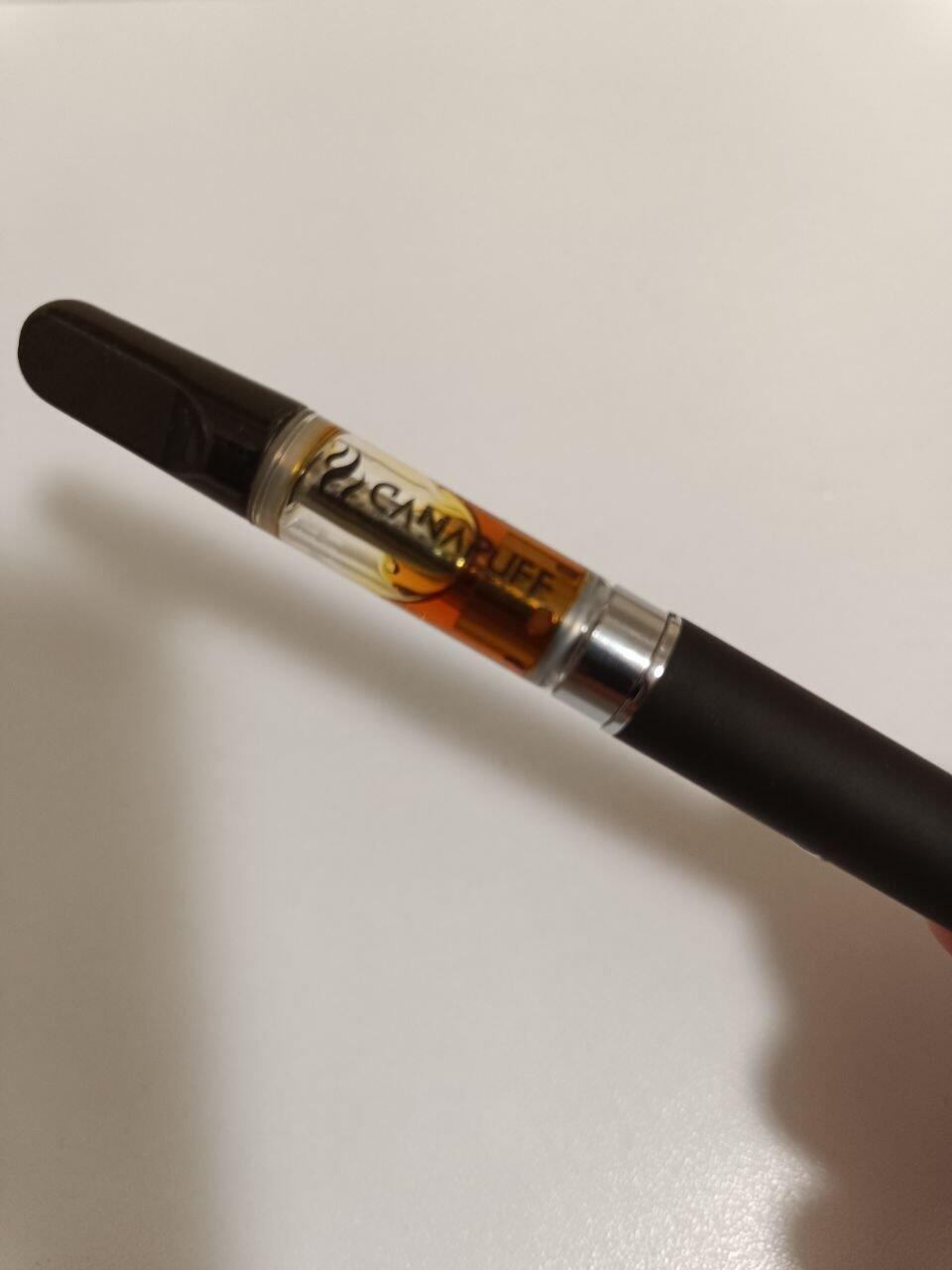
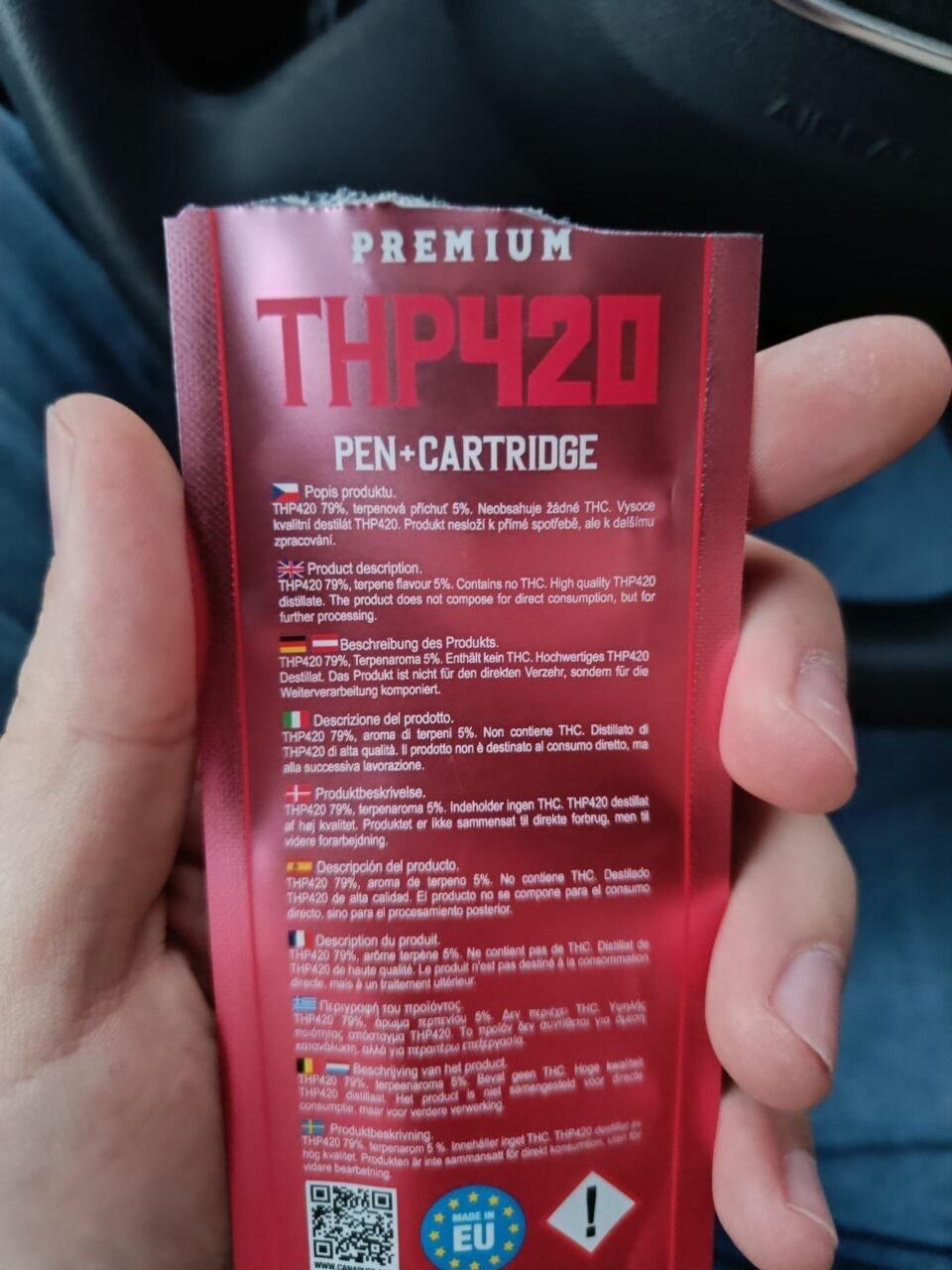
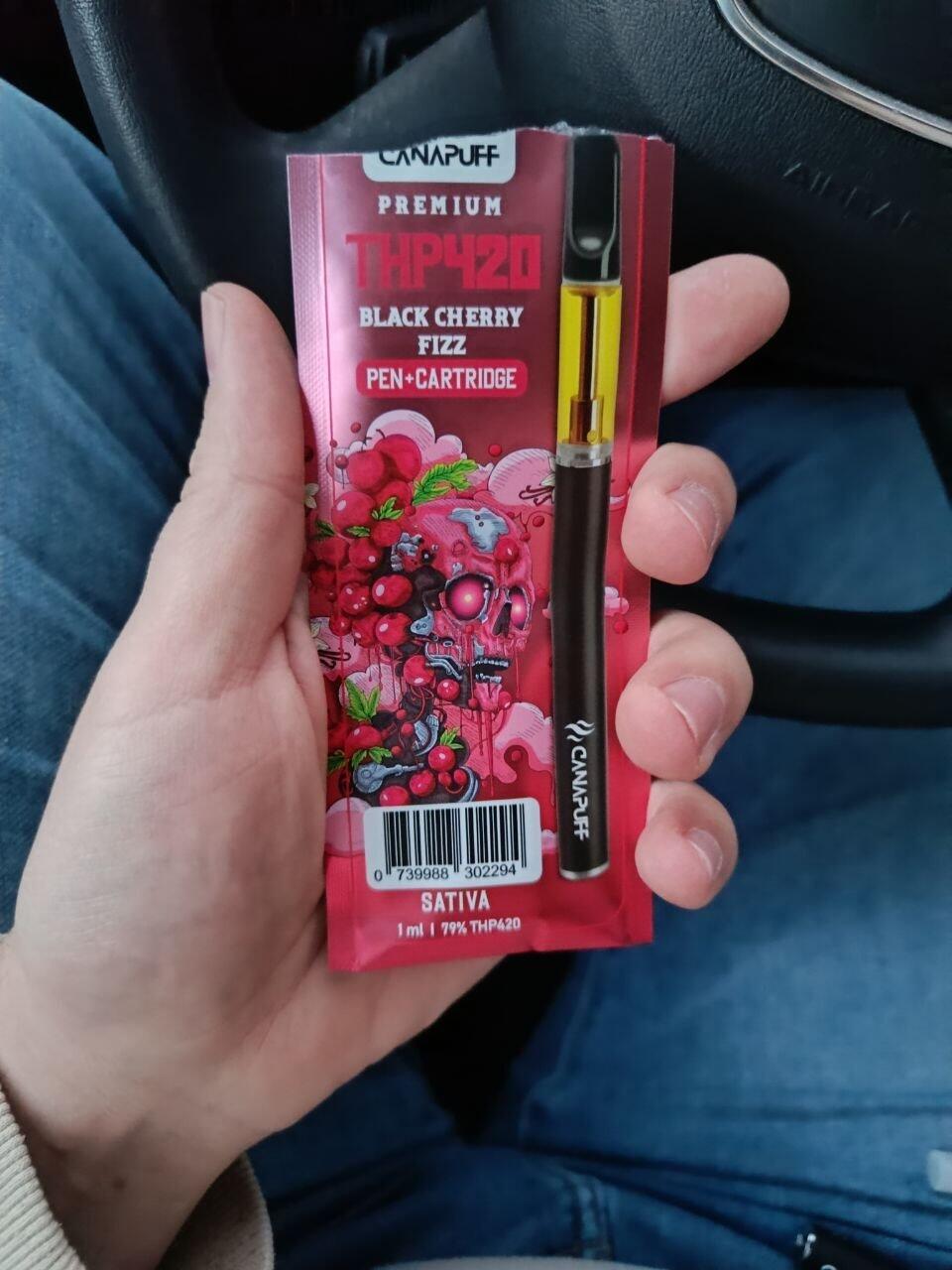
In markets where THCv remains legal, it is available in several formats. THCv vapes offer the fastest onset and are the most common format. THCv flowers provide the full-spectrum plant experience. For the complete range, browse all THCv products. Always verify the legal status in your country before ordering.
Summary: THCv Effects, Research and Legal Status in Europe
THCv suppresses appetite, produces a clear-headed effect at low doses, and is mildly psychoactive at higher doses with a shorter duration than THC. Germany, Austria, France, and the UK have banned it. Switzerland and the Netherlands have not explicitly scheduled it. The metabolic research is promising but human trials at consumer-relevant doses are still limited.
Sources:
- Haghdoost M. et al., Cannabis and Cannabinoid Research, 2025 - PMC11947634
- Citti C. et al., Cannabis, 2025 - PMC11831893
- Al-Najjar A. et al., AIMS Neuroscience, 2025 - PMC12011981
- Jadoon K.A. et al., Diabetes Care, 2016 - PMC7819335
- Bolognini D. et al., British Journal of Pharmacology, 2013 - PMC3671751