








Table of contents
- What is Delta 9? The Classic Baseline ›
- What is THCP? The New Power Player ›
- THCP vs Delta 9: The Real Potency Difference ›
- Dosing: Where the Difference Becomes Clear ›
- THCP vs Delta 9: Effects Comparison ›
- THCP Gummies vs Delta 9 Gummies: The Edible Experience ›
- THCP Vape vs Delta 9 Vape: Inhalation Methods ›
- THCP Flower and Delta 9 Flower: Smoking Differences ›
- THCP Edibles and Delta 9 Edibles: Complete Format Breakdown ›
- The Safety Question: Is THCP Riskier Than Delta 9? ›
- Who Should Use What: A Practical Guide ›
- Understanding Potency in Context ›
- Where to Experience These Properly ›
- The Bottom Line: THCP vs Delta 9 ›
- FAQs ›
If you've been paying attention to the cannabinoid world lately, you've probably seen THCP popping up everywhere. New vape shops, online dispensaries, and cannabis communities are all buzzing about this cannabinoid that people keep saying is incredibly potent. But here's the thing-most conversations about THCP sound like this: "It's so strong, bro," followed by someone sharing a story about barely being able to function.
Then there's delta 9, the cannabinoid everyone already knows. It's been around forever, it's well-researched, and it does what it says it does. So what's actually different? Is THCP just marketing hype, or is there genuine science behind the claims? Let's break down what is THCP, how it compares to delta 9, and most importantly, which one might actually be right for you.
What is Delta 9? The Classic Baseline
Before we can really understand THCP, we need to start with what we know: delta 9 THC.
Delta 9 is the primary psychoactive cannabinoid in cannabis plants. It's what creates the "high" that people associate with weed. When someone just says "THC," they almost always mean delta 9. It's the baseline we use to measure every other cannabinoid's potency.
Here's how it works: delta 9 has a pentyl side chain-that's five carbon atoms. This chain determines how effectively delta 9 binds to your CB1 and CB2 receptors, the molecular "locks" in your nervous system where cannabinoids do their thing.
The effects of delta 9 are familiar territory for most cannabis users:
- Euphoria and relaxation
- Altered perception and time distortion
- Increased appetite
- Potential anxiety or paranoia (especially at higher doses)
- Duration of 2-4 hours typically
Delta 9 is considered the standard measure of potency. When we talk about what is delta 9 real weed-yes, it is. It's the naturally occurring, primary psychoactive compound in actual cannabis plants.


What is THCP? The New Power Player
Now let's talk about the newcomer: THCP, which stands for tetrahydrocannabiphorol.
THCP was first isolated as a natural product in 2019 by Italian researchers. Before that, scientists knew about it synthetically, but nobody had found it in actual cannabis plants. Here's the shocking part: it exists naturally in cannabis, but only in trace amounts.
The key difference between THCP and delta 9 comes down to one specific molecular detail: the alkyl side chain. While delta 9 has five carbon atoms, THCP has seven. This seems like a tiny change. It's not. That extra length fundamentally changes how THCP interacts with your body's cannabinoid receptors.
THCP vs Delta 9: The Real Potency Difference
This is where things get interesting, because the potency comparison between THCP and delta 9 is what drives all the hype.
The Binding Affinity Story
In laboratory studies, THCP showed approximately 33 times stronger binding affinity to CB1 receptors compared to delta 9. Now, here's the critical part that most people misunderstand: this doesn't mean THCP gets you 33 times higher. It means THCP binds more efficiently to those receptors, allowing it to trigger more potent effects.
When translated to real-world effects, most experienced users report that THCP feels approximately 3-5 times more potent than delta 9, with some claiming it can feel up to 10 times stronger. There's also evidence suggesting THCP effects last noticeably longer-4-6+ hours compared to delta 9's typical 2-4 hours.

Dosing: Where the Difference Becomes Clear
Here's where the practical difference between THCP vs delta 9 really shows:
Delta 9 dosing: Most people find effective doses in the 5-10 mg range
THCP dosing: Effective doses typically range from 0.3-2 mg, sometimes even less
This is an enormous difference. You literally need about 1/30th of the amount of THCP to feel effects comparable to delta 9. This isn't theoretical-this is why people keep talking about THCP being almost impossibly strong.
THCP vs Delta 9: Effects Comparison
The effects of THCP and delta 9 are qualitatively similar-they produce high effects with overlapping characteristics. But the intensity differs dramatically.
Delta 9 Effects: The Familiar High
Delta 9 effects are predictable and well-understood:
- Gentle onset over 15-45 minutes
- Balanced high with both mental and physical components
- Clear-headed euphoria mixed with relaxation
- Peak effects around 1-2 hours
- Total duration: 2-4 hours typically
Users describe delta 9 as manageable. Even experienced users have control over their experience.
THCP Effects: Intense and Full-Body
THCP effects are significantly more pronounced:
- Slower onset (20-60 minutes), but when it hits, it hits hard
- Deep, immersive high that many describe as overwhelming
- Intense euphoria followed by strong body sedation
- Peak effects lasting 3-4 hours
- Total duration: 4-6+ hours, sometimes longer
Real users describe THCP effects as "intense," "overwhelming," and "not for beginners." There are documented cases of experienced cannabis users having genuinely adverse reactions to THCP because they underestimated the potency.
THCP Gummies vs Delta 9 Gummies: The Edible Experience
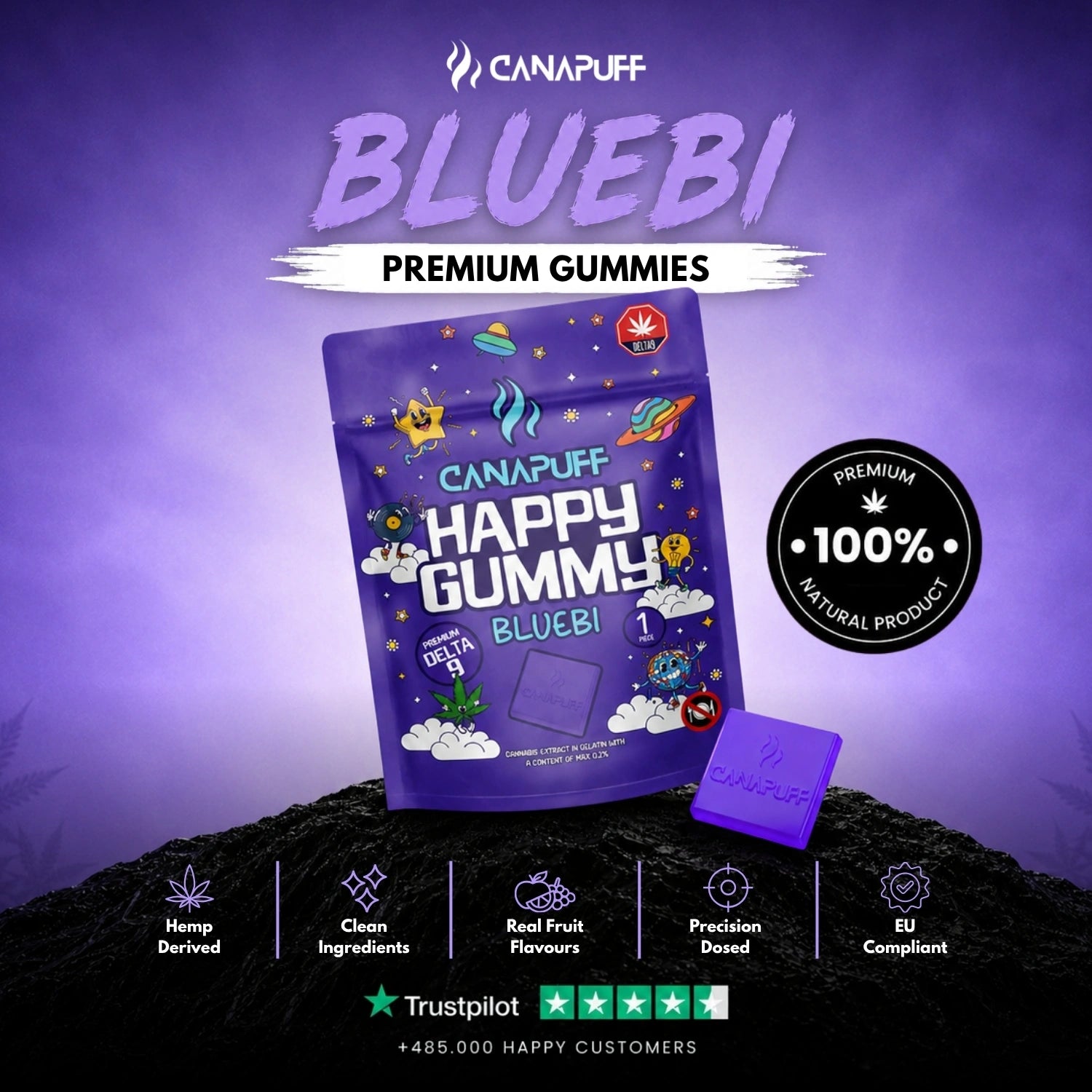
The difference between THCP gummies and delta 9 gummies matters significantly because edibles are a major consumption method.
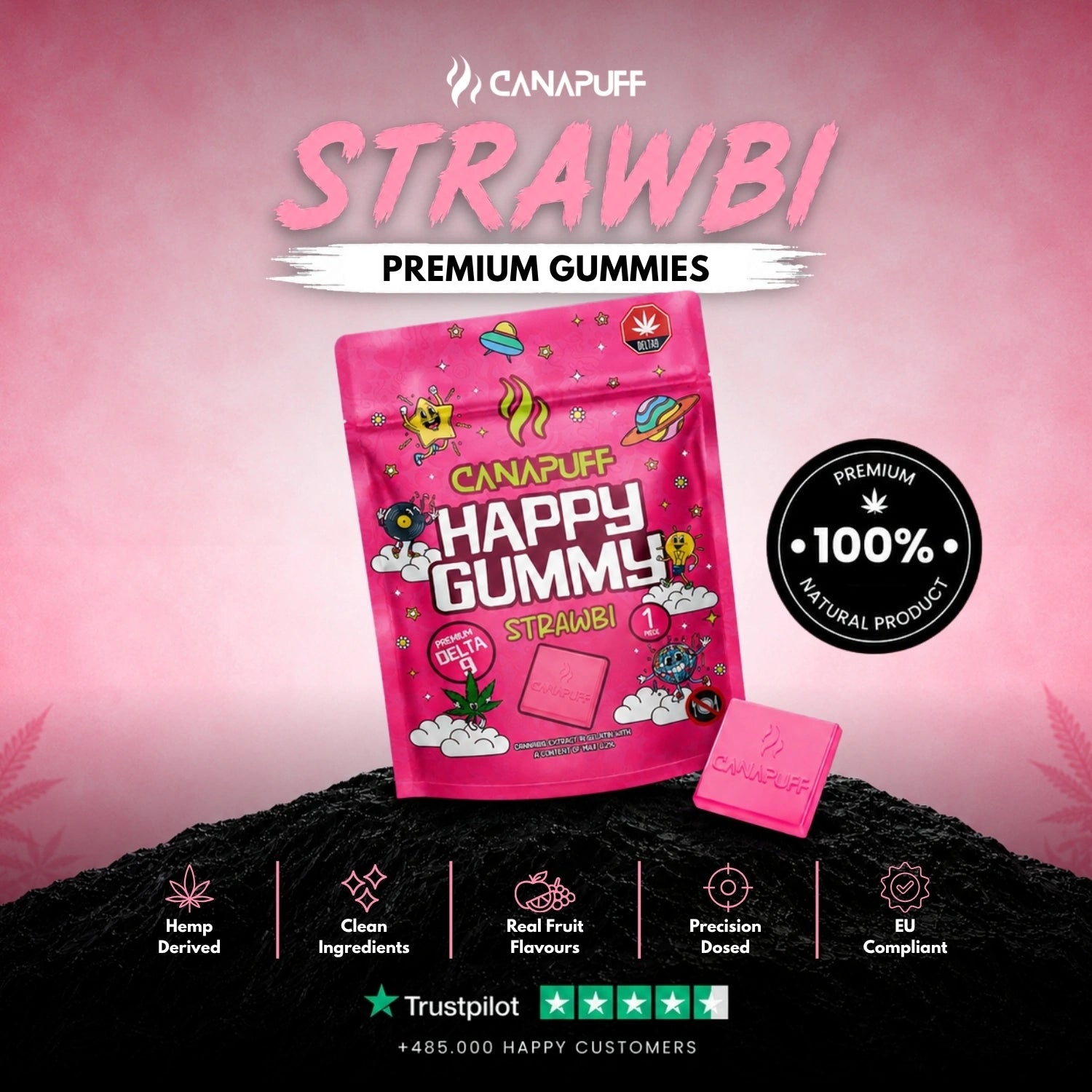
Delta 9 Gummies Experience
Delta 9 gummies are straightforward:
- Typical dose: 5-10 mg per gummy
- Onset: 30 minutes to 2 hours
- Effects build gradually and plateau
- Duration: 4-8 hours
- User has reasonable control-can take one, feel effects, and adjust
Most people find delta 9 gummies manageable and predictable.
THCP Gummies Experience
THCP gummies are fundamentally different:
- Typical dose: 2-5 mg (much lower than delta 9)
- Onset: 1-2 hours (similar to delta 9 edibles, but then...)
- Effects intensify rapidly and profoundly
- Duration: 6-12+ hours (significantly longer)
- User often underestimates potency and overconsumes
The real issue: THCP gummies feel innocent because the dose is small. Then they hit, and users realize they've taken something far more potent than they anticipated.
THCP Vape vs Delta 9 Vape: Inhalation Methods
Vaping presents interesting distinctions between these cannabinoids.
Delta 9 Vaping
- Immediate onset: 5-15 minutes
- You can titrate (take one hit, feel effects, decide if you want more)
- Effects peak quickly and decline over 1-2 hours
- Total duration: 1-3 hours
- Relatively easy to control your experience
THCP Vaping
- Faster onset than gummies: 10-20 minutes
- Tempting to take more because effects seem mild at first, then they intensify
- Peak effects: 1-2 hours, but potency is extreme
- Total duration: 3-6+ hours
- Many users report taking "just one puff" and regretting it
The temptation with THCP vapes is real. A single puff might not feel like much initially, so people take more, leading to overwhelming experiences.
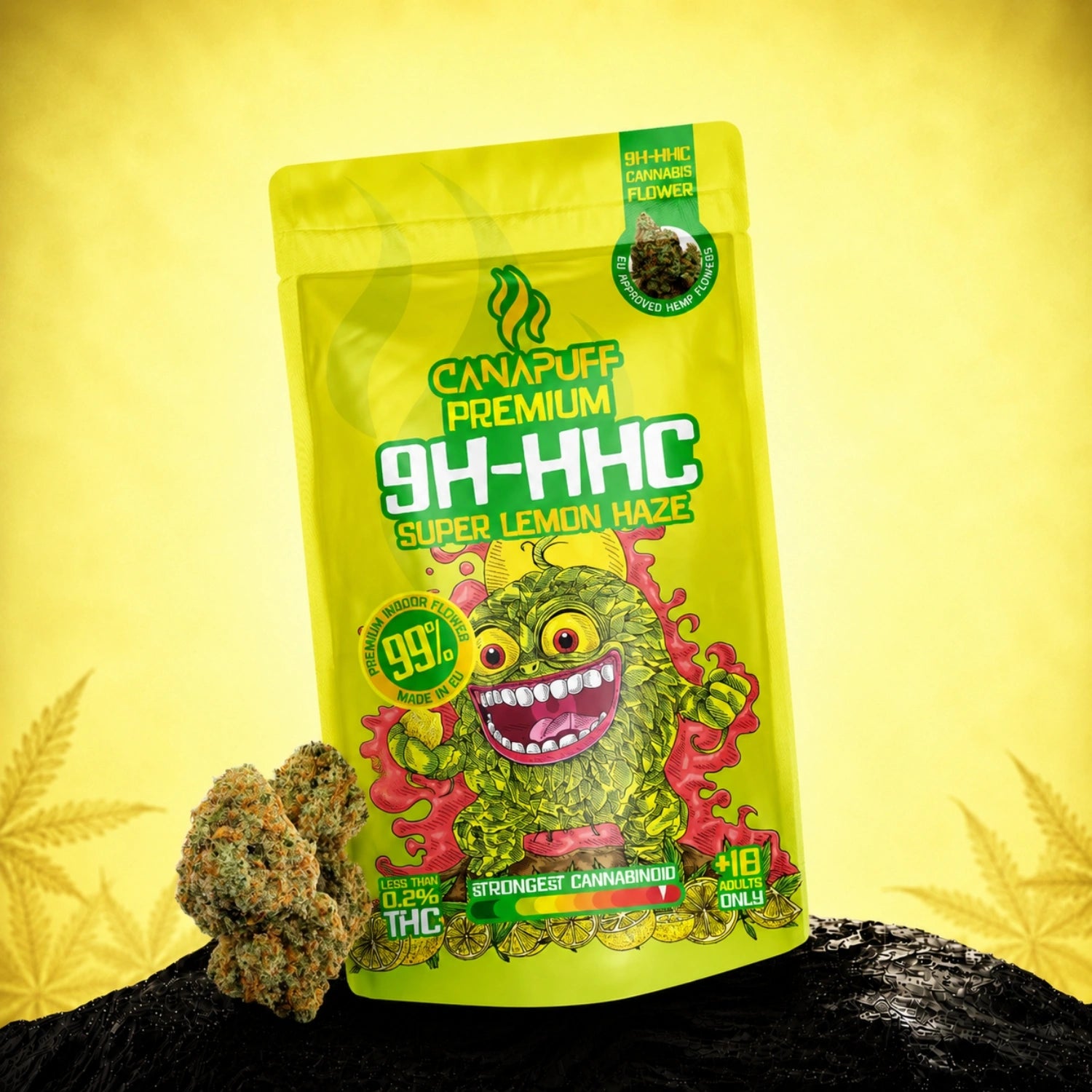
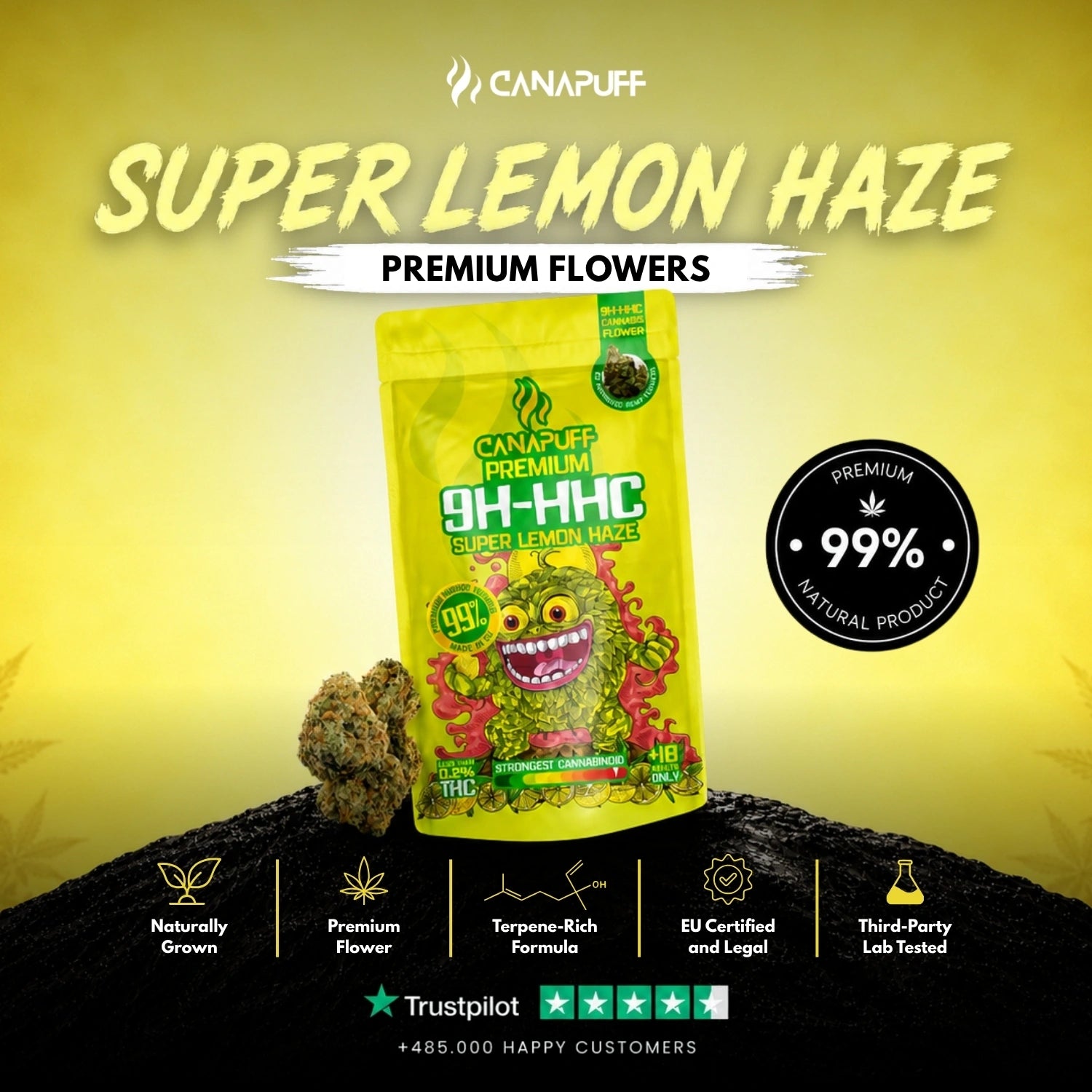
THCP Flower and Delta 9 Flower: Smoking Differences
The flower form presents another comparison point.
Delta 9 flower: Traditional cannabis flower, 15-25% THC typically. Users smoke it like regular weed.
THCP flower: Hemp flower coated with THCP distillate. Because THCP is rare naturally, commercial THCP flower is created by adding THCP to hemp flower.
The practical difference: You can't tell THCP flower's potency by looking at it. It looks like normal flower, but behaves like something far more potent.
THCP Edibles and Delta 9 Edibles: Complete Format Breakdown

Let me break down all the edible options:
Delta 9 Edibles Available
- Delta 9 gummies: Predictable, well-dosed
- Delta 9 THC cookies: Consistent dosing, recognizable format
- THC brownies: Comfort food format, reliable effects
- THC shots: Fast-acting liquid format
THCP Edibles Available
- THCP edibles in various formats
The real distinction: delta 9 edibles are what most people expect from cannabis edibles. THCP edibles demand respect and careful dosing.
The Safety Question: Is THCP Riskier Than Delta 9?
This matters, especially for health-conscious consumers.
Delta 9 Safety Profile
Delta 9 has been extensively studied. We know the risks:
- Anxiety and paranoia at high doses
- Impaired cognition and memory
- Potential for dependence
- Respiratory issues if smoked
- Generally manageable side effects for experienced users
THCP Safety Profile
THCP is newer, less studied, but the early evidence is concerning:
- There's a documented case of a regular THC user experiencing psychosis and suicidal ideation after 8mg of THCP
- THCP's extreme potency means users easily overdose (relative to their tolerance)
- Effects can be overwhelming even for experienced cannabis users
- The longer duration means being stuck in an uncomfortable state for hours
- Safety research is limited
The honest assessment: THCP appears to carry higher risk of adverse reactions, particularly for anyone who isn't extensively experienced with high-potency THC products.
Who Should Use What: A Practical Guide
Delta 9 is Better If You Want:
- Predictable effects you can manage
- Familiarity with well-documented experience
- Reasonable dosing flexibility
- Shorter duration (manageable commitment)
- Established medical research backing safety
- To actually function while consuming
THCP is Only For:
- Experienced cannabis users with genuine high tolerance
- People specifically seeking maximum intensity
- Those who have research-level understanding of cannabinoids
- Situations where extreme potency is actually the goal
- Not for beginners, not for casual use, not for experimentation
Put simply: If you're wondering which to try, delta 9 is the sensible choice. THCP is for people who have already maxed out delta 9 and are actively seeking something more extreme.
Understanding Potency in Context
Here's something important: what is delta 9 real weed compared to THCP isn't just about raw potency numbers. It's about usability.
Delta 9 is genuinely powerful. Most regular cannabis users feel delta 9 deeply. But it's manageable-you can take a dose, feel it, and maintain functionality if you choose.
THCP at equivalent potency often feels like it removed your ability to choose. The overwhelming nature of effects is precisely why experienced users report finding THCP difficult to enjoy.
Where to Experience These Properly
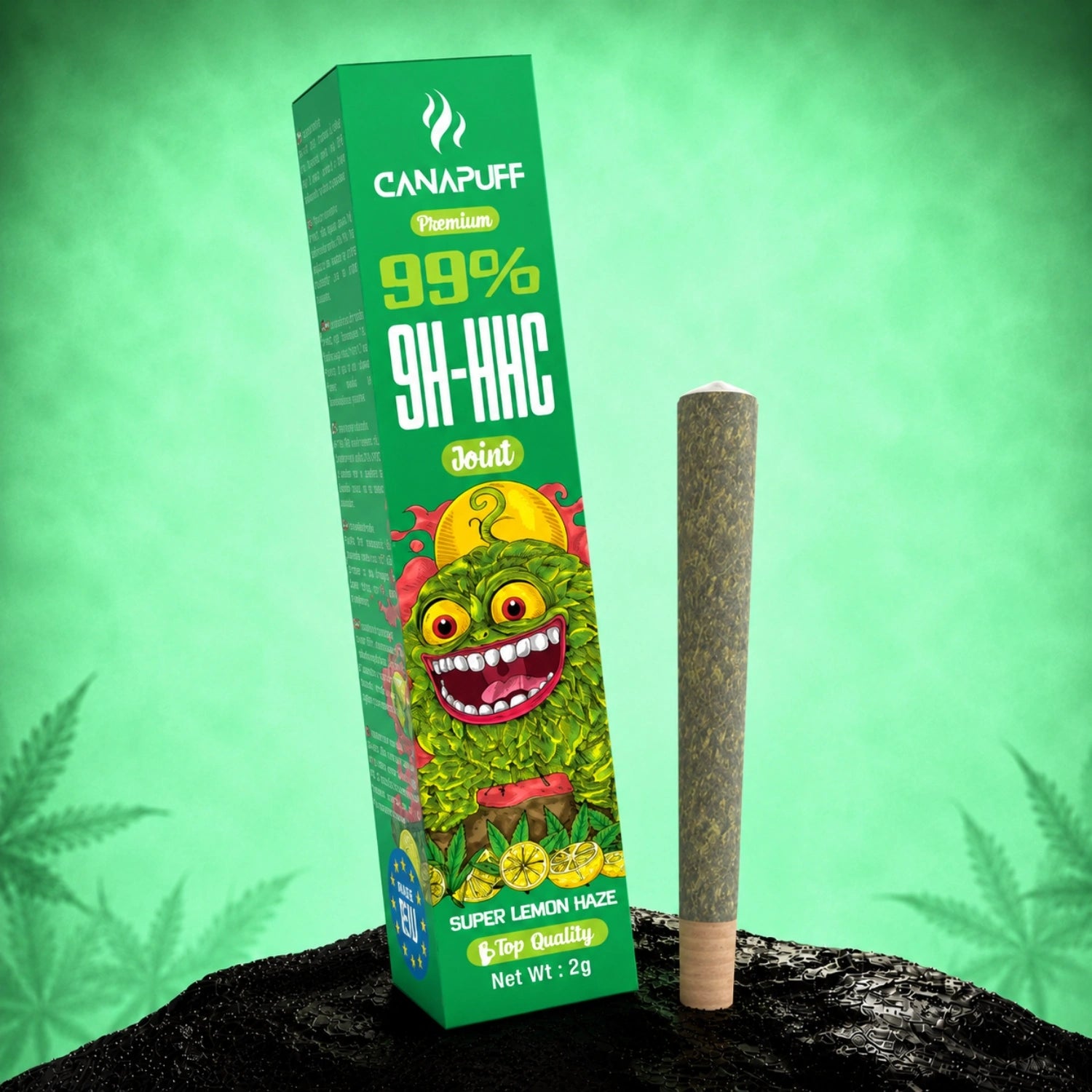
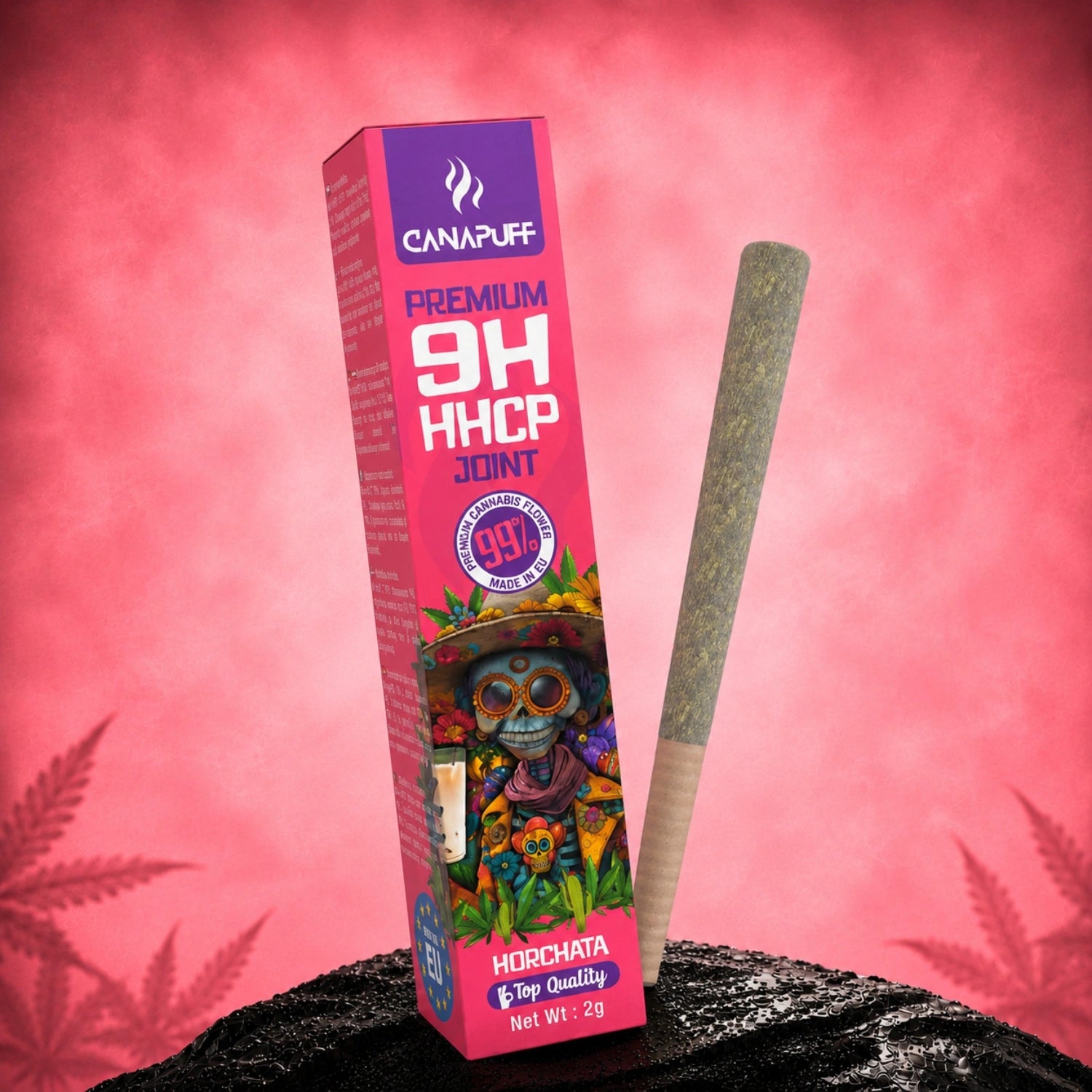
If you're interested in exploring these cannabinoids, Canapuff offers a wide range of responsibly dosed products:
Delta 9 Options:
- Delta 9 THC gummies - Reliable, well-tested format
- Delta 9 THC edibles - Various enjoyable options
- Premium flower selections
THCP Options (For Experienced Users):
For General Cannabinoid Education:
All products at Canapuff are lab-tested and clearly dosed so you know exactly what you're consuming.
The Bottom Line: THCP vs Delta 9
Delta 9 THC is the established, well-understood cannabinoid. It provides a reliably powerful high that experienced users have been enjoying for decades.
THCP is newer, significantly more potent, carries less research backing its safety, and produces effects that many experienced users describe as overwhelming rather than enjoyable.
If you're choosing between these two:
- Delta 9: The smart choice for virtually everyone
- THCP: Only for people who have deliberately chosen to seek extreme potency and understand the risks
For more detailed information on cannabinoid science and effects, visit Wikipedia's comprehensive cannabinoid overview or explore health resources on cannabis pharmacology.
FAQs
Is Delta 9 Actually Legal?
This depends on where you live. In the United States, delta 9 THC derived from hemp (with less than 0.3% THC by dry weight) exists in a legal gray area federally, though many states prohibit it. Delta 9 from cannabis plants remains federally illegal, though it's legal in states with recreational legalization. Always check your local laws before purchasing.
Can You Mix Delta 9 and THCP?
Technically yes, but it's risky. Combining them dramatically increases total potency and risk of adverse effects. Even experienced users report that mixing these cannabinoids can produce overwhelming experiences. Most experts recommend against it.
How Long Does THCP Stay in Your System?
THCP metabolites can be detected in urine for similar timeframes as delta 9 THC-potentially 3-30 days depending on frequency of use and individual metabolism. This means THCP will show up on standard drug tests. If you're subject to testing, avoid THCP entirely.
Why is THCP So Much More Potent?
The seven-carbon alkyl side chain on THCP versus the five-carbon chain on delta 9 allows THCP to bind far more efficiently to CB1 receptors. This increased binding affinity (up to 33x more efficient) translates directly to more intense psychoactive effects. It's a straightforward molecular explanation for why THCP is so much stronger.
Are THCP Vapes Safer Than THCP Gummies?
Neither is particularly "safe" in the sense that THCP demands respect. However, vapes allow faster dose adjustment-you can take one inhalation and stop. Gummies are risky because onset takes 1-2 hours, and users commonly think they should take more only to be overwhelmed when both doses hit simultaneously. If you must try THCP, vaping offers slightly more control over dosing.