







Table of contents
- Why Are People Comparing HHC vs THC vs CBD? ›
- What Is THC and How Does It Work in the Body? ›
- What Is CBD and Why Do People Use It? ›
- What Is HHC and Why Is It Called an Emerging Cannabinoid? ›
- How Do HHC vs THC vs CBD Compare in Terms of Psychoactive Effects? ›
- What Role Does Scientific Research Play in Understanding Cannabinoids? ›
- Which Cannabinoid Is the Right Cannabinoid for You? ›
- Conclusion ›
- Works Cited ›
Why Are People Comparing HHC vs THC vs CBD?
In recent years, the cannabis plant and its wide range of cannabinoids have received more attention than ever. From wellness circles to scientific research, people are curious about how cannabinoids like THC, CBD, and the emerging cannabinoid hexahydrocannabinol (HHC) affect the body.
The conversation around HHC vs THC vs CBD is growing because each of these hemp-derived cannabinoids has unique properties and a different legal status. Some have intense psychoactive effects, while others deliver milder effects or none at all. By learning the key differences, you can make a more informed decision about the right cannabinoid for your lifestyle.
What Is THC and How Does It Work in the Body?
How Does THC Interact with the Endocannabinoid System?
THC, short for delta 9 THC, is the most well-known cannabinoid from cannabis sativa. It binds directly with cannabinoid receptors in the brain, particularly CB1 receptors, which influence mood, memory, appetite, and perception. This binding explains why THC molecules are known for their psychoactive effects and altered perception.
What Are the Effects of THC?
Users commonly describe the following effects of THC:
- Increased appetite.
- A sedating, sleepy feel at higher doses.
- A euphoric, relaxed mood.
Users describe the perceived effects of THC as uplifting, creative, and relaxing. However, high doses of traditional THC can also cause adverse effects such as dry mouth, cognitive function impairment, or feelings of anxiety.
What About the Legal Status of THC?
THC is considered one of the controlled substances in many regions, though hemp-derived products with less than 0.3% delta 9 THC are federally legal in some countries. The European Monitoring Centre and FDA-approved studies continue to monitor its effects and risks, including substance abuse.
What Is CBD and Why Do People Use It?
How Does CBD Differ from THC?
Unlike CBD, THC has strong psychoactive properties. CBD does not cause a high, even though it comes from the same cannabis plant. Instead, CBD interacts more gently with the body’s endocannabinoid system, particularly CB2 receptors.
How Do Users Describe CBD?
Users commonly describe CBD like this:
- Promotes calm and relaxation.
- Non-psychoactive, so there is no high.
- Interacts with the body's endocannabinoid system.
CBD products are popular among people who want a calm, clear-headed experience without altered perception. They are often considered safe, with fewer adverse effects than THC or HHC.
Is CBD Federally Legal?
CBD is widely available in hemp-derived products, especially since the Farm Bill allowed hemp plants to be cultivated for non-intoxicating cannabinoids. However, legal status may vary depending on local rules, so always check before purchasing.
What Is HHC and Why Is It Called an Emerging Cannabinoid?
What Is the Molecular Structure of HHC?
HHC, or hexahydrocannabinol, is sometimes called the hydrogenated derivative of THC. It occurs naturally in trace amounts in hemp plants but is often produced synthetically for commercial use. Its molecular structure includes added hydrogen atoms, making it a hydrogenated form of THC.
Because HHC is a semi-synthetic cannabinoid and hydrogenated form of a THC isomer, it has unique stability compared to other hemp-derived cannabinoids. This chemical difference may reduce residual solvents and extend product shelf life in HHC products.
How Does HHC Interact with the Endocannabinoid System?
HHC interacts with both CB1 and CB2 receptors, producing milder effects than delta 9 THC but more noticeable than CBD. Users describe HHC effects as relaxing, euphoric, and smooth, offering a middle ground between CBD's mild effects and THC's intense psychoactive effects.
What Do Users Report About HHC?
- A relaxed, mellow feel.
- A calm, sleepy feel in the evening.
- A noticeable effect without overwhelming psychoactive properties.
What Do Users Say About HHC vs THC?
Many people comparing HHC and THC note key differences:
- Milder effects compared to delta 9.
- Smoother high with fewer reports of anxiety.
- Psychoactive properties that are noticeable but not overpowering.
Neither HHC nor CBD can fully replace THC for those seeking intense psychoactive effects, but HHC products provide an alternative that balances euphoria with relaxation.





How Do HHC vs THC vs CBD Compare in Terms of Psychoactive Effects?
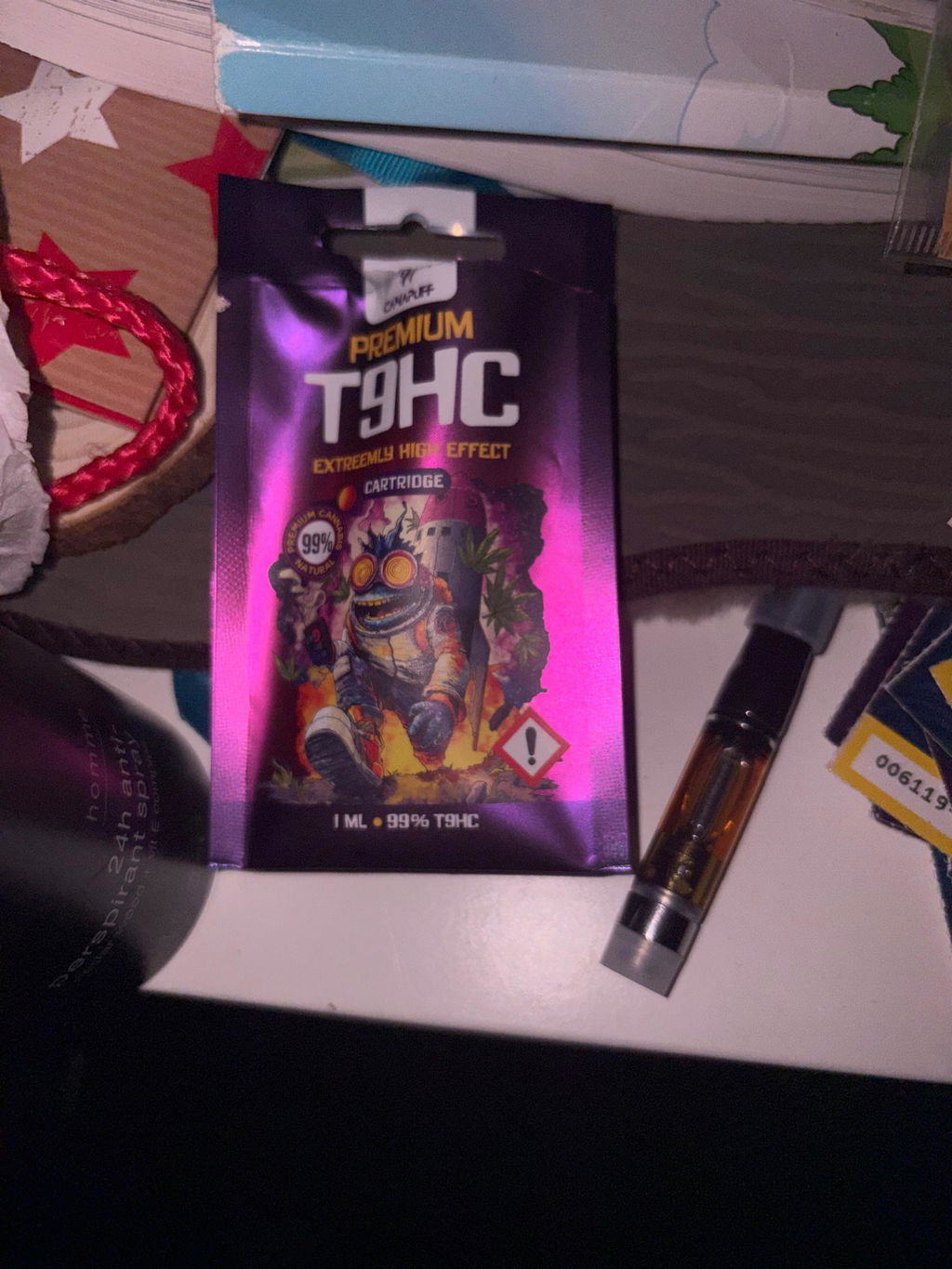
- THC: Produces strong psychoactive effects, especially in high doses of delta 9 or delta 8 THC. Known for altered perception and psychedelic effects.
- CBD: Does not produce psychoactive effects. It provides a relaxed feel without intoxication.
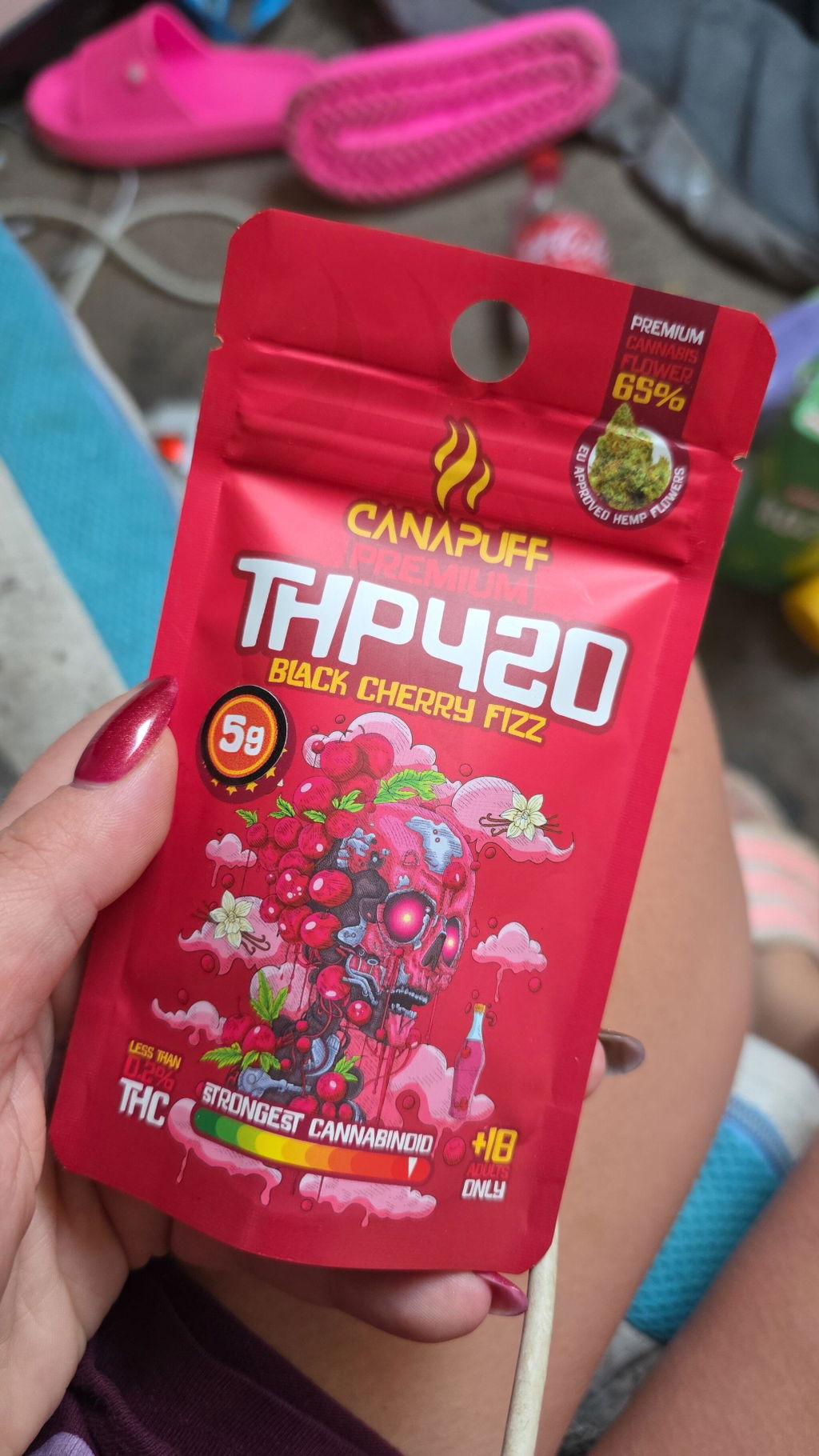
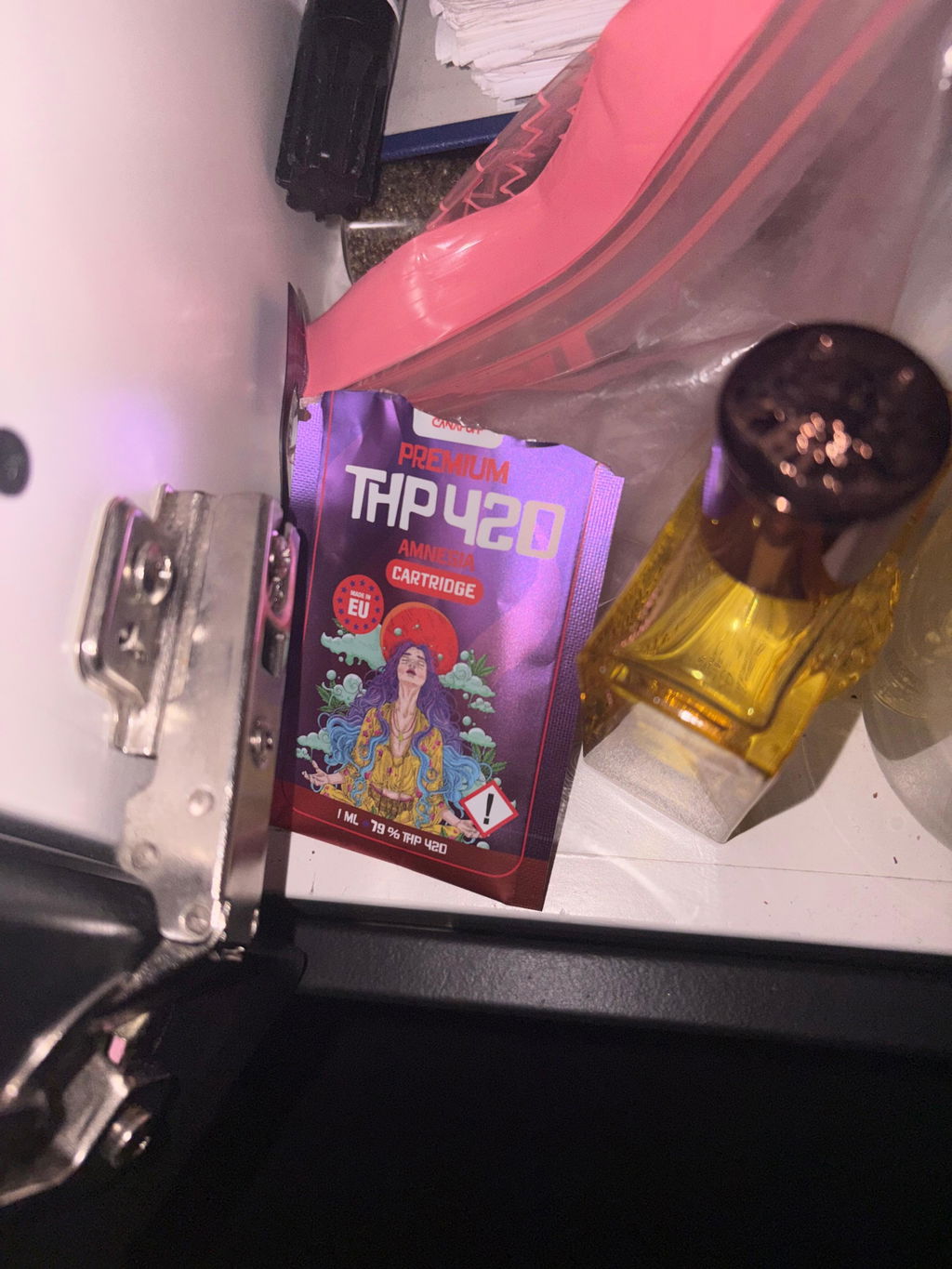
- HHC: Offers psychoactive effects similar to THC but milder, making it appealing to those sensitive to THC’s intensity.
This makes HHC a good starting point for people exploring psychoactive cannabinoids who are not ready for the full intensity of delta 9 THC.
What Role Does Scientific Research Play in Understanding Cannabinoids?
Cannabinoid research is ongoing, with studies pertaining to cannabis and cannabinoid research focusing on safety, mechanisms, and adverse effects. Some areas of study include:
- How cannabinoids interact with the body's receptors.
- Risks of substance abuse and drug addiction linked to synthetic cannabinoids.
- Differences between other cannabinoids, such as delta 8, delta 9, and semi-synthetic compounds like HHC.
More scientific research is needed, and these products are not medicines.
Which Cannabinoid Is the Right Cannabinoid for You?
The right cannabinoid depends on your goals and tolerance:
- CBD products: Best for a calm feel and avoiding psychoactive effects.
- HHC products: Best for mild psychoactive effects without intense highs.
- THC: Best for users seeking traditional psychoactive properties, altered perception, and appetite stimulation.
Your choice may also depend on whether you’re concerned about drug tests. HHC and THC may show up on drug tests, while CBD is less likely to, but results vary.
If you’re ready to explore, check out CanaPuff’s bestsellers or browse psychoactive cannabinoids to find trusted options.
Conclusion
When comparing HHC vs THC vs CBD, each cannabinoid offers a unique effect profile and legal status. THC delivers strong psychoactive properties, CBD focuses on balance without intoxication, and HHC provides a semi-synthetic middle ground with milder effects.
Whether you're seeking relaxation, a mild high, or simply exploring hemp-derived products, the choice comes down to your comfort level and goals. Always start small, stay informed, and choose high-quality hemp products from trusted sources.
Ready to find your match? Visit CanaPuff today and explore premium hemp-derived cannabinoids, relaxation blends, bestsellers, kratom, and nicotine vapes.
Works Cited
National Center for Complementary and Integrative Health. “Cannabis (Marijuana) and Cannabinoids: What You Need to Know.” U.S. Department of Health and Human Services, 2023.
World Health Organization. “Cannabidiol (CBD) Critical Review Report.” Expert Committee on Drug Dependence, 2018.
U.S. Food and Drug Administration. “FDA Regulation of Cannabis and Cannabis-Derived Products.” FDA, 2023.
European Monitoring Centre for Drugs and Drug Addiction. “Synthetic Cannabinoids and Emerging Trends.” EMCDDA, 2022.
Cannabis and Cannabinoid Research. “Exploring Cannabinoid Receptors and Their Therapeutic Potential.” Mary Ann Liebert, Inc., 2022.


Frequently Asked Questions
Is HHC safe to use?+
Is CBD a medicine?+
Can HHC or THC show up on drug tests?+
Is HHC federally legal?+
What are the main key differences between HHC vs THC vs CBD?+
- THC: Intense psychoactive effects and altered perception.
- CBD: No psychoactive effects, a calm and relaxed feel.
- HHC: Milder effects than THC, combining relaxation and euphoria.