

























had a wonderfull experience i definitly recomend it i had my best night using it. go for it i
Super gut habe mir gleich noch eine geholt



 Hemp massage oil Cannasex - Canalogy
 Pump 3in1 Hemp shower gel for men, 500ml - Palacio
 3in1 Hemp shower gel for men, 500ml - Palacio
 Hemp massage gel with panthenol, 200ml - Palacio
 Body oil for relaxing massage with cannabis, 150 ml - Palacio
 Traditional Tiger Aromatherapy Ointment with CBD - Canalogy
 Tiger Massage Gel Forte with Cannabis, 175 ml - Palacio
 Hemp shower gel, 250 ml - Palacio
Filters
10 products
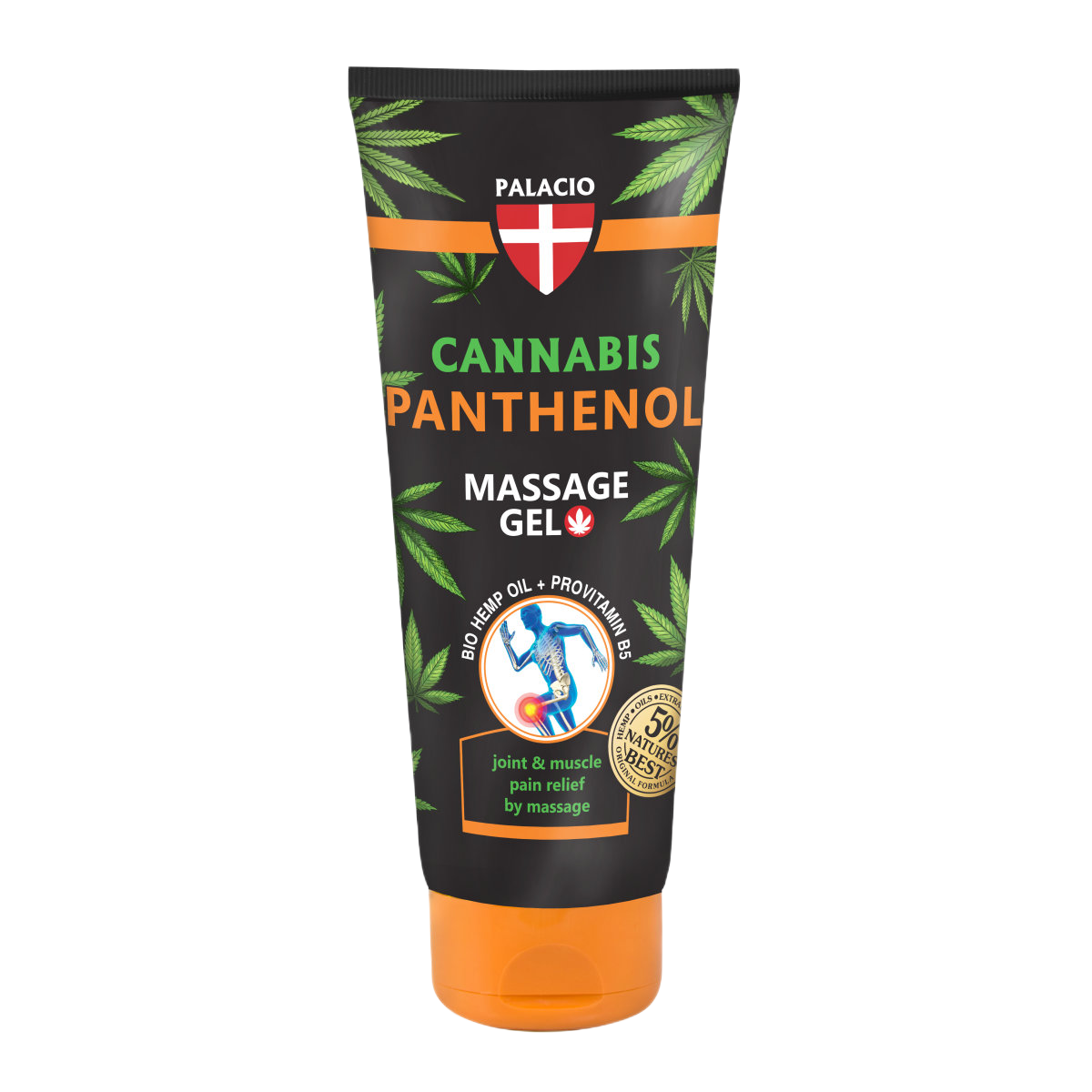


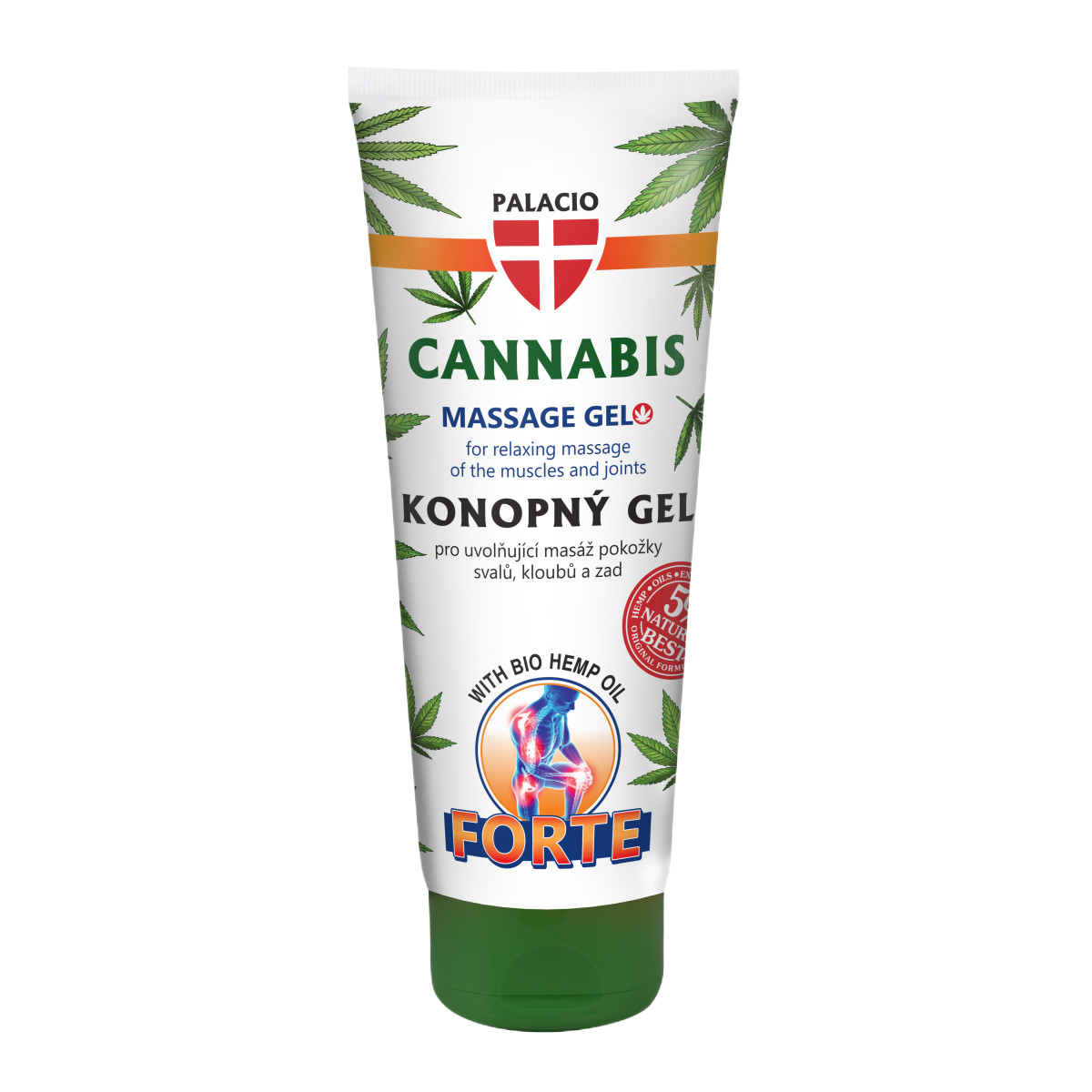

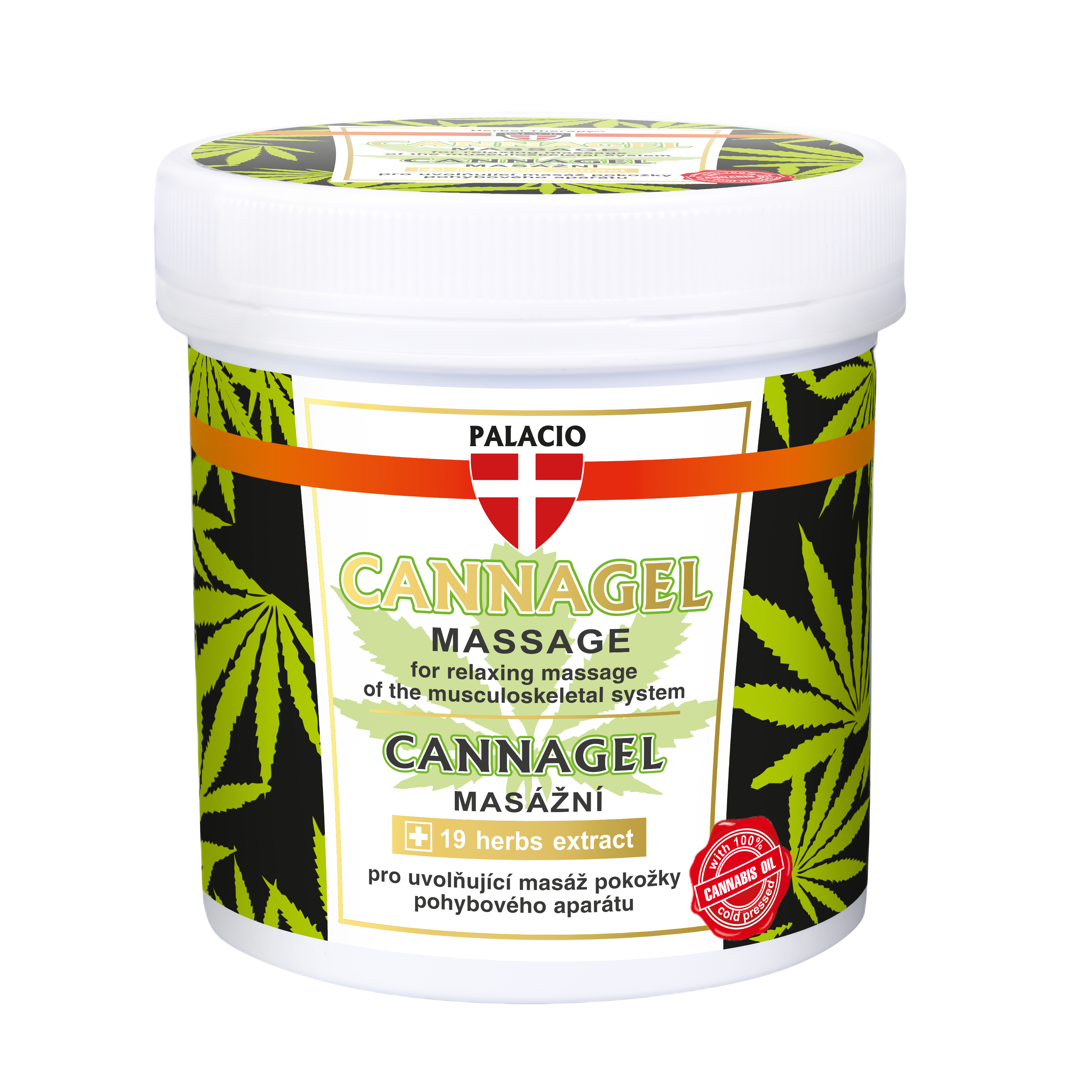

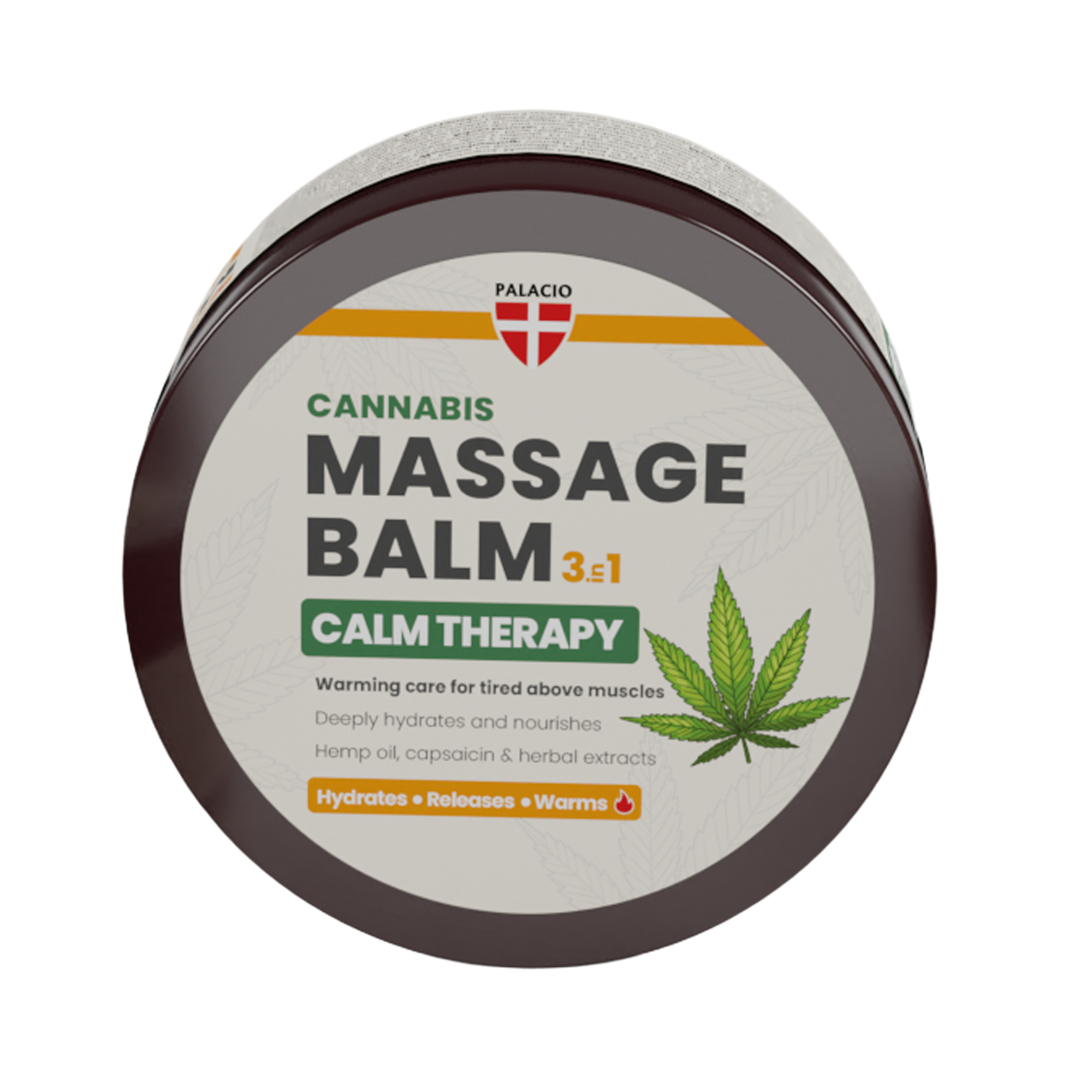


Hemp massage oil, balm, and gel formats in one place: this collection brings together ten topical products designed for targeted application to skin and muscle areas. Whether you prefer the slip of a massage oil, the density of a balm, or the cooling feel of a gel, each format carries hemp extract as its active ingredient. A practical starting point for anyone building a hemp-based recovery or body-care routine.
Three formats. Each behaves differently on skin, and each suits a different kind of use. Understanding how they differ makes it easier to pick the right product rather than defaulting to whichever has the most recognizable name.
A hemp massage oil spreads easily and covers large surface areas quickly. The carrier oils used, typically a blend of sweet almond, jojoba, or hemp seed oil, create a glide that suits longer massage sessions. Residue is minimal on well-formulated products, but skin absorption is slower compared to gel-based alternatives.
Hemp balms are the densest format. A wax or butter base, often beeswax or shea, gives the product structure so it stays where it is applied. This makes balms useful for smaller, defined areas. Application requires a small amount warmed between the fingers, then pressed into the target area rather than rubbed across a large zone.
Hemp gels sit between the two. A water-based gel absorbs faster than oil and covers more precisely than a balm. The cooling sensation many gels carry comes from menthol or aloe vera in the formula, not from the hemp extract itself. Gels are the format most associated with immediate surface-level sensation after application.
Browse the full range above using the filters to compare by format and cannabinoid profile.
The practical difference between a hemp balm and a hemp massage oil comes down to two things: how much surface you are working on, and how long you want the product to stay in place.
Hemp massage oil is the better choice for full-back or full-leg application. A few drops warm up quickly in the palm, and the oil moves with the hands rather than creating drag. Most oils in this collection use cold-pressed hemp seed oil as a carrier, which adds its own fatty acid content on top of the hemp extract.
A hemp balm is the better choice when you want to apply product to a precise area and leave it there without reapplication. The thick consistency means the product does not migrate. It also means the active compounds stay at the surface longer, which is the point of a balm format. Apply with fingers, not a tool, so the warmth of the hand softens the texture before it meets the skin.
For anyone new to topical hemp products, starting with an oil is lower-stakes. The format is forgiving, easy to control in volume, and familiar. Balms and gels are worth exploring once you have a clear sense of where and how you use hemp topicals in practice. The full Hemp and Health range includes additional formats if you want to compare this collection against broader options.
Hemp extract in topicals is standardized from the same plant source as ingestible hemp products, but it is formulated to remain at the skin layer rather than enter the body systemically. The cannabinoids in a topical product interact with receptors found in skin tissue rather than circulating through the bloodstream. This is a different mechanism from oils or capsules, and it is why topical hemp products are assessed and used separately from ingestible ones.
The hemp extract used across this collection is broad-spectrum or isolate depending on the product. Broad-spectrum retains multiple non-intoxicating active compounds alongside the primary cannabinoid. Isolate formats contain a single refined cannabinoid, typically CBD, at a precise concentration. Both approaches are represented here, and the product pages specify which each product uses.
Hemp seed oil, present in most products in this collection as a carrier, is distinct from hemp extract. Hemp seed oil is cold-pressed from seeds and contains no significant cannabinoids. It contributes fatty acids and skin-conditioning properties. Hemp extract, derived from the aerial parts of the plant, is what delivers the cannabinoid content. Most products in this collection contain both: extract for the cannabinoid profile, hemp seed oil as part of the carrier system.
For a wider selection of hemp-based topicals including ointments and salves, see the CBD oils and ointments collection. For a broad overview of all hemp wellness formats, the Hemp and Health products collection covers the full range.
All hemp extract used in Canapuff products is tested by independent third-party laboratories. Certificates of analysis covering cannabinoid content and contaminant screening are available on individual product pages. Products comply with applicable regulations governing non-intoxicating hemp topicals in the markets where they are sold.