









Problémy se spánkem jsou překvapivě časté. Ať už máš potíže s usínáním, probouzíš se v noci, nebo se ráno necítíš odpočatě, rozhodně v tom nejsi sám. A pokud už ses začal dívat po Natural alternativách k melatoninu a čaji z heřmánku, pravděpodobně jsi narazil na CBD.
Pomáhá ale CBD skutečně se spánkem? A pokud ano, jak ho správně užívat? Tento průvodce shrnuje, co říkají současné výzkumy, které CBD Produkty jsou na spánek nejlepší, jak správně dávkovat a co můžeš realisticky očekávat.
Jak CBD ovlivňuje spánek
CBD (kanabidiol) ovlivňuje endokanabinoidní systém (ECS) tvého těla — složitou síť receptorů, která reguluje náladu, bolest, chuť k jídlu a také spánek. Na rozdíl od THC CBD nezpůsobuje omámení. Zdá se, že spánek ovlivňuje spíše nepřímo, několika cestami:
Snižování úzkosti
Úzkost je jednou z hlavních příčin nespavosti. Řada studií ukázala, že CBD může zmírnit příznaky úzkosti, což může usnadnit usínání. Často citovaná studie z roku 2019 zveřejněná v The Permanente Journal zjistila, že skóre úzkosti se snížilo u 79,2 % účastníků užívajících CBD a skóre spánku se zlepšilo u 66,7 % během prvního měsíce.
Regulace spánkového cyklu
Výzkumy naznačují, že CBD může ovlivňovat receptory zapojené do cirkadiánního rytmu a tím pomáhat stabilizovat nepravidelný spánkový režim. Zajímavé je, že CBD má na bdělost dvojí účinek — nižší dávky mohou podporovat bdělost, vyšší dávky mají spíše uklidňující efekt.
Snižování bolesti
Chronická bolest je další častou překážkou klidného spánku. Protizánětlivé a analgetické vlastnosti CBD (viz náš CBD Gummies na bolest) mohou pomoci snížit bolest natolik, aby byl spánek klidnější. Uživatelé s artritidou, fibromyalgií nebo bolestí zad často uvádějí zlepšení spánku po zařazení CBD.
Řešení poruch REM spánku
Prvotní výzkumy ukazují možné přínosy CBD u poruch chování v REM spánku (RBD), kdy lidé během snění fyzicky jednají. Malá studie z roku 2014 zjistila, že CBD zmírnil příznaky RBD u pacientů s Parkinsonovou chorobou.
Co říkají výzkumy?
Vědecké poznatky o CBD a spánku jsou slibné, ale stále se rozvíjejí. Tady je upřímný pohled na to, co víme:
Co studie potvrzují:
- CBD může zlepšit spánek hlavně tím, že řeší příčiny jako úzkost a bolest, nikoli jako přímé sedativum
- Vyšší dávky CBD (100–300 mg v klinických studiích) pravděpodobněji podporují spánek než nižší dávky
- CBD je obecně dobře snášen a má příznivý bezpečnostní profil ve srovnání s mnoha běžnými léky na spaní
Co zůstává nejasné:
- Dlouhodobá účinnost — většina studií byla krátkodobá
- Optimální dávkování — klinické studie používají velmi rozdílné dávky
- Zda CBD působí na spánek sám o sobě, nebo hlavně díky snížení úzkosti
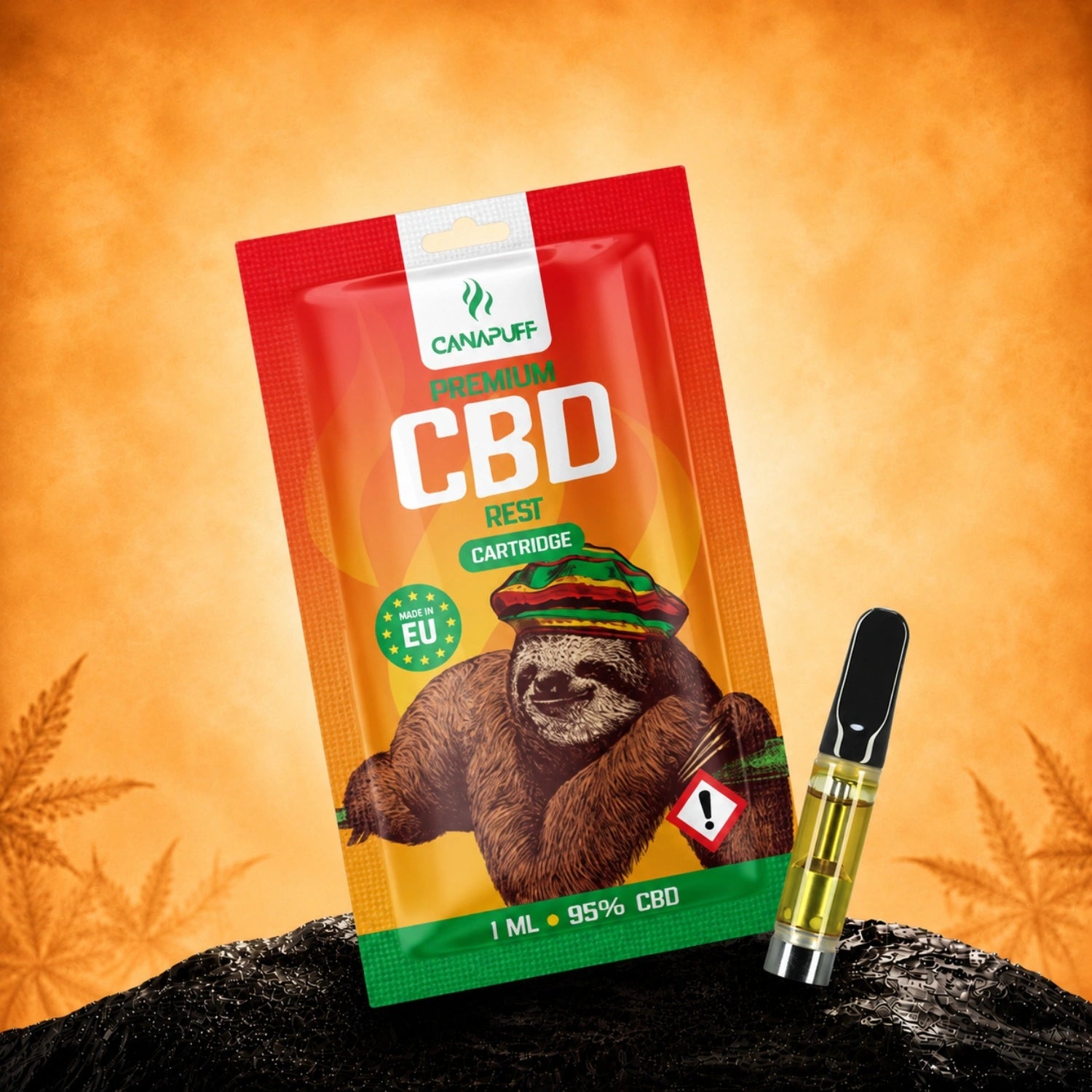
- Jak si různé formy CBD (olej, Gummies, vapes) vedou při podpoře spánku
Důležitý kontext: Většina výzkumů spánku s CBD zahrnuje poměrně malé skupiny účastníků. Je potřeba více rozsáhlých a důkladných klinických studií. CBD by měl být vnímán jako možný podpůrný doplněk, nikoli jako zaručený lék na poruchy spánku.
Nejvhodnější typy CBD pro spánek
Ne všechny CBD Produkty jsou pro spánek stejně vhodné. Tady je srovnání hlavních forem:
CBD olej / tinktury
Nejlepší pro: Rychlé vstřebání, flexibilní dávkování
CBD olej užívaný sublingválně (pod jazyk) se vstřebává poměrně rychle — obvykle do 15–30 minut. Je tedy vhodný pro ty, kteří ho chtějí užít těsně před spaním. Tinktury také umožňují přesné nastavení dávky, což je užitečné při hledání ideálního množství.
Jak používat na spánek: Nakapej požadovanou dávku pod jazyk, podrž 60–90 sekund a pak spolykni. Užívej 30–45 minut před plánovaným spaním.
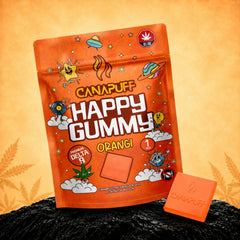
CBD Gummies
Nejlepší pro: Pohodlí, přesné dávkování, déletrvající účinek
CBD spánkové Gummies jsou nejBeliebt formou produktů na spaní. Každý bonbon obsahuje přesně odměřenou dávku, takže nemusíš nic odhadovat. Protože procházejí trávicím systémem, účinky nastupují později (45–90 minut), ale vydrží déle — což může pomoci udržet spánek po celou noc.
Mnoho CBD spánkových Gummies obsahuje další složky jako melatonin, L-theanin, heřmánek nebo mučenku. Pokud chceš CBD bez melatoninu, pečlivě si zkontroluj složení — několik značek už nabízí i spánkové CBD Gummies bez melatoninu.
Jak používat na spánek: Užívej 60–90 minut před spaním, aby byl čas na trávení a vstřebání.
CBD kapsle
Nejlepší pro: Jednoduché užívání, cestování
Kapsle působí podobně jako Gummies co do nástupu a délky účinku. Jsou vhodné pro ty, kterým nechutná olej nebo nechtějí cukr v Gummies.
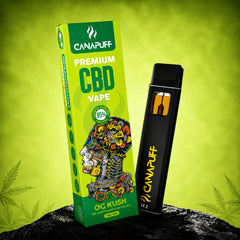
CBD vapes
Nejlepší pro: Nejrychlejší nástup účinku
Vapování CBD přináší účinky během několika minut, což je nejrychlejší metoda. Účinek ale také nejrychleji odezní (1–2 hodiny), takže nemusí vydržet po celou noc. Vapování navíc přináší dýchací rizika, která jiné formy nemají.
Která forma je na spánek nejlepší?
Pro většinu lidí jsou CBD Gummies nebo olej nejvhodnější formy na podporu spánku. Gummies nabízí pohodlí a delší účinek, oleje zase rychlejší nástup a možnost přesněji dávkovat. Nejlepší volba je ta, která ti vyhovuje a kterou budeš skutečně pravidelně používat.
Dávkování CBD na spánek
Neexistuje žádná všeobecně uznávaná (viz náš průvodce dávkováním CBD) dávka CBD na spánek. Odezva je individuální podle tělesné hmotnosti, metabolismu, tolerance a závažnosti potíží se spánkem. Následující rozmezí ale mohou být vhodným výchozím bodem:
| Úroveň zkušeností | CBD olej | CBD Gummies |
|---|---|---|
| Beginner | 15–25 mg | 1 bonbon (obvykle 25 mg) |
| Středně pokročilý | 25–50 mg | 1–2 Gummies |
| Zkušený | 50–100 mg | 2–4 Gummies |
Tipy k dávkování
- Začni s nízkou dávkou. Začni s 15–25 mg a drž se této dávky alespoň týden, než ji zvýšíš. Účinky CBD se mohou sčítat — někteří lidé zaznamenají lepší spánek až po několika dnech pravidelného užívání, ne hned.
- Načasování je důležité. Vezmi si CBD 30–90 minut před spaním, podle formy produktu (rychlejší u olejů, pomalejší u Gummies).
- Buď důsledný. Každodenní užívání ve stejnou dobu přináší lepší výsledky než občasné užití.
- Sleduj své výsledky. Veď si jednoduchý spánkový deník, kam si zapisuj dávku, čas užití, jak dlouho ti trvalo usnout a jak ses cítil ráno. Pomůže ti to rychleji najít ideální dávku.

CBD na spánek vs. melatonin
Tohle je jedna z nejčastějších otázek. Jak si CBD vede ve srovnání s melatoninem na spánek?
| Faktor | CBD | Melatonin |
|---|---|---|
| Jak působí | Snižuje úzkost, bolest a podporuje uvolnění | Dává mozku signál, že je čas jít spát |
| Nejvhodnější pro | Nespavost spojenou s úzkostí, udržení klidu | Jet lag, práce na směny, potíže s biorytmy |
| Nástup účinku | 15–90 min podle formy | 30–60 minut |
| Nežádoucí účinky | Minimální (sucho v ústech, ospalost) | Ospalost po ránu, bolesti hlavy, živé sny |
| Riziko závislosti | Velmi nízké | Nízké, ale může potlačit tvorbu Natural |
| Ospalost přes den | Vzácná při správném dávkování | Běžná při příliš vysoké dávce |
Hlavní rozdíl: Melatonin říká tělu kdy má spát. CBD pomáhá vytvořit podmínky, které umožní usnout — hlavně tím, že snižuje úzkost a tělesné nepohodlí, které tě drží vzhůru.
Mnoho uživatelů zjistilo, že kombinace střední dávky CBD s nízkou dávkou melatoninu (0,5–1 mg) funguje lépe než každý zvlášť. Některé spánkové Produkty s CBD už jsou takto namíchané. Pokud se ale chceš melatoninu vyhnout kvůli ospalosti druhý den nebo jiným důvodům, CBD Gummies bez melatoninu jsou běžně dostupné.
CBD s THC na spánek
Některé výzkumy naznačují, že CBD v kombinaci s malým množstvím THC může být na spánek účinnější než samotný CBD. Říká se tomu někdy "entourage efekt (viz náš entourage efekt)" — tedy že kanabinoidy působí lépe společně než samostatně.
Plnospektrální CBD Produkty obsahují stopová množství THC (legálně do 0,2 % v EU, 0,3 % v USA) spolu s dalšími kanabinoidy jako CBN, který má také vlastnosti podporující spánek. Mnoho uživatelů uvádí, že plnospektrální Produkty přinášejí lepší spánkové účinky než izolát CBD.
Důležité poznámky:
- I stopové množství THC může být zjistitelné v testech na drogy při Heavy užívání
- Plnospektrální Produkty nejsou legální všude — ověř si místní zákony
- Pokud jsi citlivý na THC nebo žiješ tam, kde je omezený, širokospektrální CBD (bez THC, ale s dalšími kanabinoidy) je dobrý kompromis
Kdo může mít prospěch z CBD na spánek?
CBD na spánek nejlépe pomáhá lidem, jejichž potíže se spánkem pramení z:
- Úzkosti a přemíry myšlenek — anxiolytické vlastnosti CBD řeší hlavní příčinu
- Chronické bolesti — menší bolest může přímo zlepšit kvalitu spánku
- Nerovnoměrného spánkového režimu — CBD může časem pomoci stabilizovat rytmus
- mild až střední nespavosti — zejména pokud souvisí se stresem
- Preferencí pro Natural doplňky — CBD nabízí alternativu k farmaceutickým přípravkům na spaní
CBD může být méně účinný při:
- Těžké klinické nespavosti — měl bys spolupracovat se specialistou na spánek
- Spánkové apnoe — CBD neřeší překážku v dýchacích cestách
- Nespavosti způsobené zdravotními potížemi — je nutné řešit základní příčinu
Nežádoucí účinky CBD na spánek
CBD je obecně dobře snášen. Nejčastěji hlášené nežádoucí účinky jsou:
- Ospalost — to je při použití na spánek vlastně žádoucí efekt
- Sucho v ústech — nezapomeň na dostatek tekutin
- Trávicí změny — někteří uživatelé pociťují mild žaludeční diskomfort, hlavně při vyšších dávkách
- Změny chuti k jídlu — většinou mild
- Interakce s léky — CBD je metabolizován jaterními enzymy (CYP450 (viz náš léky interagující s CBD) rodina) a může ovlivnit účinek některých léků. Pokud užíváš léky na předpis, poraď se před užíváním CBD se svým lékařem.
Ve srovnání s mnoha běžnými léky na spaní má CBD výrazně nižší riziko vzniku závislosti, tolerance a zhoršení bdělosti následující den.
Tipy pro lepší spánek s CBD
CBD funguje nejlépe jako součást širšího režimu spánkové hygieny. Pro nejlepší účinek ho kombinuj s těmito návyky:
- Dodržuj pravidelný režim. Chodit spát a vstávat ve stejnou dobu každý den, i o víkendu.
- Omez obrazovky před spaním. Modré light z telefonů a notebooků potlačuje tvorbu melatoninu. Přestaň používat obrazovky 30–60 minut před spaním.
- Vytvoř si chladné, tmavé prostředí. Ideální teplota v ložnici na spaní je 16–19°C.
- Vyhni se kofeinu po 14. hodině. Poločas kofeinu je 5–6 hodin, takže polovina odpolední kávy je v těle ještě při usínání.
- Hýbej se. Pravidelný pohyb zlepšuje kvalitu spánku, ale vyhni se Intense cvičení 2–3 hodiny před spaním.
- Užívej CBD pravidelně. Dej mu alespoň 1–2 týdny každovečerního užívání, než posoudíš účinnost.
Upozornění: Tento článek slouží pouze pro informační účely a není lékařským doporučením. CBD není určen k diagnostice, léčbě, vyléčení nebo prevenci žádného onemocnění. Pokud trpíš chronickou nespavostí nebo poruchou spánku, obrať se na kvalifikovaného zdravotníka.
Poslední aktualizace: duben 2026
![CBD večer: dávkování a praktické tipy [2026]](http://www.canapuff.com/cdn/shop/articles/canapuff_CBD_for_Sleep_hero_3d75d2af-651a-46f5-bffb-0346f9b4c75a.webp?v=1775476631&width=480)