


Table des matières
- What Does Being High Feel Like? The Immediate Physical Sensations
- What Does Getting High Feel Like Mentally and Emotionally?
- The Timeline: Stages of Being High
- Why Do I Feel High When I'm Not? Explaining Unexpected Sensations
- High Thoughts: The Distinctive Thinking Patterns
- Variations: Why Being High Feels Different for Different People
- The Science: Why Certain Effects Happen
- Frequently Asked Questions
How does being high feel? The answer depends on individual tolerance, THC potency, consumption method, and personal neurochemistry. Most users describe the experience as a combination of euphoria, relaxation, altered sensory perception, and time distortion. When asking what does being high feel like, the reality spans a spectrum-from mild relaxation and enhanced creativity to profound introspection and physical sedation. Understanding what does getting high feel like helps users set appropriate expectations, choose suitable products, and recognize when effects become uncomfortable or problematic.
The sensation of being high involves THC binding to CB1 receptors in the brain, triggering dopamine release and altering how neurons communicate. This neurological process creates distinct mental and physical effects that evolve over time, from initial onset through peak effects and gradual decline.

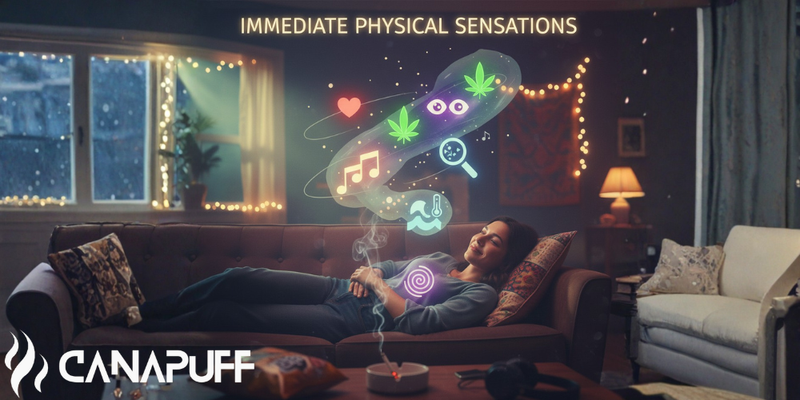
What Does Being High Feel Like? The Immediate Physical Sensations
Onset and Initial Feelings
When you first consume cannabis, the initial sensations vary by consumption method. When smoking or vaping, effects typically begin within 2-10 minutes. When using edibles, the onset is delayed, occurring 30-60 minutes after consumption. The very first feeling often goes unnoticed-a subtle shift that makes you pause and realize something is changing.
Users commonly report:
- A light, buzzy feeling behind the eyes or forehead
- Mild heaviness in the limbs
- A slight head rush or tingling sensation
- Sudden awareness of your heartbeat
- Dry mouth (cottonmouth)
- Slight dizziness or lightheadedness
This initial phase lasts 10-15 minutes. During this time, you're conscious of the transition but not yet fully experiencing the high. What does being high feel like at this stage? Most describe it as anticipatory-you recognize that effects are beginning but haven't reached the full intensity yet.
Physical Sensations at Peak
As THC concentrations in the blood reach their highest levels, physical sensations intensify. What does getting high feel like at its peak involves:
Body sensations:
- General heaviness or weighted feeling throughout the body
- Muscle relaxation, particularly in the neck, shoulders, and back
- A floating or weightless sensation (sometimes called "body high")
- Tingling in the extremities
- Increased sensitivity to touch
- Decreased pain perception
Energy levels:Some users report increased physical energy and restlessness, while others experience profound couch-lock-an inability or reluctance to move. The distinction depends largely on strain type and individual response. Sativa-dominant strains typically produce more energetic sensations, while indica-dominant strains create heavier, more sedative physical effects.
Autonomic nervous system changes:
- Increased heart rate (5-20 bpm elevation)
- Dry eyes
- Dry mouth
- Slight tremor or shakiness (typically subtle)
- Changes in appetite (usually increased)
The physical component of being high reflects THC's influence on the endocannabinoid system, which regulates pain, appetite, and motor coordination.
What Does Getting High Feel Like Mentally and Emotionally?
Cognitive and Mental Effects
The mental aspects of how does being high feel often dominate the experience. When smoking or vaping reaches peak effects, users typically report:
Euphoria and mood elevation:A sense of wellbeing, contentment, and happiness characterizes the primary mental effect. This euphoria comes from THC triggering dopamine release in the brain's reward center. The intensity varies-some users experience subtle mood improvement, while others report profound joy and bliss.
Altered thinking patterns:Your thought processes shift in distinctive ways. Thoughts feel less linear and more associative, jumping between topics in ways that seem both random and somehow logical. Users describe this as "being in your head" or "introspective."
Heightened creativity:Many users report enhanced creative thinking and novel associations between concepts. Artists, musicians, and writers often use cannabis to overcome creative blocks, as the relaxed thinking style facilitates unusual connections and ideas.
Impaired short-term memory:The most common cognitive effect is reduced short-term memory function. You may forget what you were saying mid-sentence, lose track of time, or struggle to remember recent conversations. This effect typically disappears as THC wears off.
Altered time perception:Minutes feel like hours, and hours compress into what felt like minutes. This time distortion is one of the most distinctive aspects of how does being high feel, with users consistently reporting this sensation.
Enhanced sensory perception:Colors seem more vivid, music becomes more complex and emotionally evocative, and food tastes more intense. This sensory amplification contributes significantly to why many users enjoy cannabis-the world becomes more textured and interesting.
Emotional Experience
The emotional dimension of what does being high feel like varies considerably:
Positive emotions:
- Relaxation and ease
- Amusement and giggles (sometimes uncontrollable)
- Social warmth and increased connection with others
- Introspective peace or philosophical reflection
- Enhanced empathy and emotional openness
Potential negative emotions:Not all emotional responses are pleasant. Inexperienced users or those consuming too much may experience:
- Anxiety or panic
- Paranoia (feeling that others are watching or judging)
- Racing thoughts that feel overwhelming
- Irritability
- Depressive thoughts
These negative emotions typically correlate with consuming more than your tolerance allows. Understanding what does getting high feel like at uncomfortable levels helps users recognize overdose and take appropriate action.
The Timeline: Stages of Being High
Stage 1: Pre-High (0-5 minutes)
You've just smoked, vaped, or eaten cannabis. Nothing has happened yet-this is purely anticipation. Your body hasn't absorbed enough THC for effects to register, though expectancy and mindset begin influencing your perception.
Stage 2: Initial Onset (5-15 minutes)
The first subtle sensations appear. A slight head buzz, minor changes in perception, the realization that something is shifting. You become hyperaware of your body and surroundings. This stage represents the threshold-you're not quite high yet, but you're transitioning.
Stage 3: Building Phase (15-30 minutes)
Effects intensify noticeably. The high is unmistakably present now. Your thoughts begin shifting, sensations amplify, and the characteristic "high" feeling becomes clear. This is when most users recognize, "I'm definitely high now."
Stage 4: Peak Effects (30-90 minutes)
This is the full high. Mental and physical effects reach maximum intensity. Time distortion is most pronounced, euphoria peaks, and sensory alterations are at their strongest. For most users, this is when being high feels most intense and characteristic.
Stage 5: Plateau (1-3 hours)
Effects stabilize at a high level without increasing further. You settle into the high, and it begins to feel "normal"-which is an interesting aspect of how does being high feel: the intensity becomes background noise.
Stage 6: Decline (3-4+ hours)
THC concentrations begin dropping. Effects gradually fade. The mental fuzziness clears first, followed by physical sensations. Users often experience mild hunger and increasing relaxation during this phase.
Stage 7: Afterglow (4-8+ hours)
Residual effects remain, but you're no longer significantly high. A mild euphoria and relaxation may linger. Some users feel tired or sleepy as the comedown progresses.
This timeline varies significantly based on consumption method. Smoking/vaping follows this pattern, while edibles stretch it out considerably, with onset delayed 30-90 minutes but duration extended to 6-8+ hours.

Why Do I Feel High When I'm Not? Explaining Unexpected Sensations
False Highs and Placebo Effects
Some users report feeling high when they haven't consumed cannabis. This phenomenon occurs because:
Placebo effect:Expectation powerfully influences perception. If you believe you're about to get high, your brain may interpret normal sensations as signs of intoxication. This effect is documented in clinical research-people receiving placebo cannabis in double-blind studies often report genuine high sensations.
Panic-induced symptoms:Anxiety itself produces symptoms mimicking cannabis intoxication-racing heart, dizziness, depersonalization, altered perception. Someone anxious about using cannabis might interpret these anxiety symptoms as being high.
Contact high confusion:Secondhand marijuana smoke can produce minor THC absorption, creating subtle effects. In enclosed spaces, this can create light intoxication that users mistake for placebo when it's actually small amounts of THC.
Physical sensations interpreted as high:Normal physical sensations-slight dizziness from standing quickly, fatigue, or hunger-get reinterpreted as being high because you're focused on detecting intoxication.
High Thoughts: The Distinctive Thinking Patterns
High thoughts represent one of the most interesting aspects of what does being high feel like. These distinctive thought patterns include:
Looping:Your mind returns repeatedly to the same thought or conversation, cycling through the same mental pathway multiple times.
Tangential thinking:Each thought triggers associations that lead you away from the original topic, following a chain of loose connections.
Profound/trivial confusion:Mundane observations seem deeply meaningful ("Isn't it weird that we call them 'fingers' but don't call them 'toes'?"). Simultaneously, normally important matters feel unimportant.
Perceptual metaphors:You might perceive thoughts or sensations as colors, textures, or spatial relationships rather than purely conceptual information.
Hyperfocus:Despite general mental fuzziness, you can hyperfocus on specific interests-music, conversation, food-with intense attention.
These high thoughts are among the most culturally recognized aspects of cannabis use. They typically reverse completely as you sober up, leaving you sometimes embarrassed about profound revelations that now seem obvious or silly.
Variations: Why Being High Feels Different for Different People
Tolerance Effects
Regular users experience significantly different effects than occasional users consuming the same amount. What does getting high feel like changes dramatically as tolerance develops:
Low tolerance (beginners): Pronounced effects at modest doses, including strong euphoria, significant cognitive changes, and potential anxiety
Moderate tolerance (regular users): Noticeable but manageable effects, with better control over mental clarity and less likelihood of unpleasant sensations
High tolerance (frequent users): Minimal subjective effects despite substantial THC consumption; users often claim they no longer feel high but experience functional improvements (better pain management, sleep, etc.)
This tolerance adaptation explains why frequent users can consume 500+ mg THC daily while remaining functional-their nervous systems have adapted to interpret these concentrations as normal.
Strain Differences
The specific cannabis strain dramatically influences what does being high feel like:
Sativa-dominant strains:
- More euphoric and energetic
- Enhanced focus and creativity
- Potential anxiety at higher doses
- Best for daytime use
- More mental effects than physical
Indica-dominant strains:
- More relaxing and sedative
- Couch-lock common
- Better pain relief
- Better for evening/nighttime use
- More physical effects than mental
Balanced strains (50/50 indica/sativa):
- Moderate effects in both mental and physical domains
- Less likely to cause anxiety
- More versatile for different users
The THC-to-CBD ratio also matters significantly. CBD modulates THC's psychoactive effects, reducing anxiety and paranoia risk. Strains with higher CBD content produce different experiences than pure THC products.
Consumption Method Impact
How does being high feel depends substantially on consumption method:
Smoking/Vaping:
- Rapid onset (2-10 minutes)
- Intense but shorter duration (2-4 hours)
- Stronger peak effects
- Better dose control (adjust with each puff)
Edibles:
- Delayed onset (30-90 minutes)
- Longer duration (6-8+ hours)
- Often feels more intense due to 11-hydroxy-THC conversion
- Difficult dose control (can't adjust once consumed)
- "Couch-lock" more common
Tinctures:
- Moderate onset (15-30 minutes)
- Moderate duration (4-6 hours)
- Good dose control with droppers
- Sublingual absorption faster than edibles
Concentrates/Dabs:
- Nearly instantaneous onset
- Very intense effects
- Shorter duration
- Requires tolerance and careful dosing
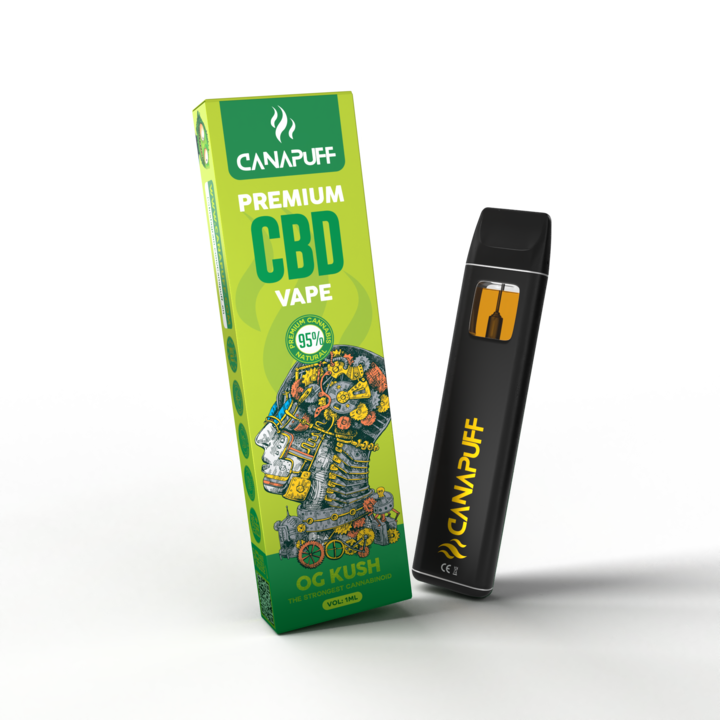
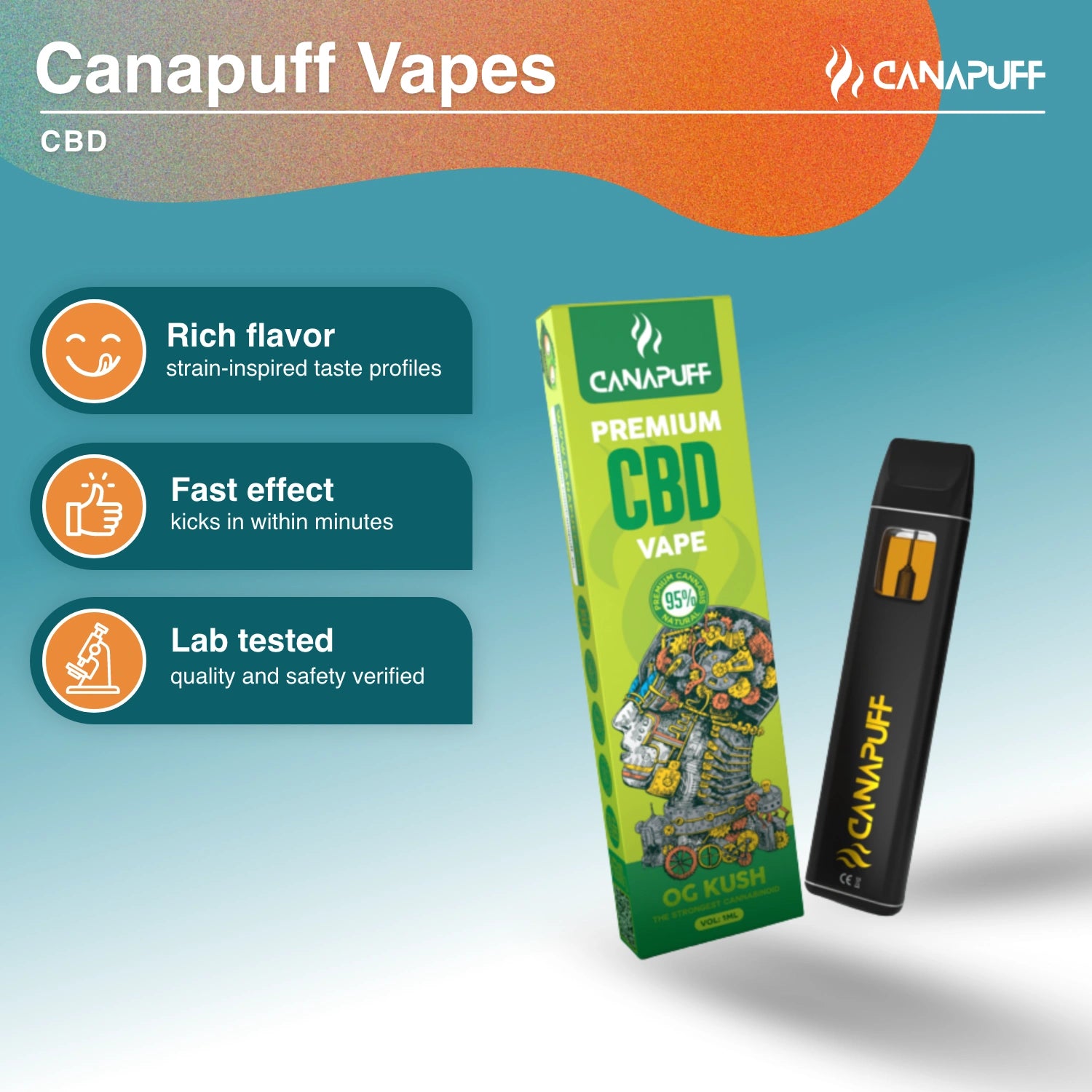
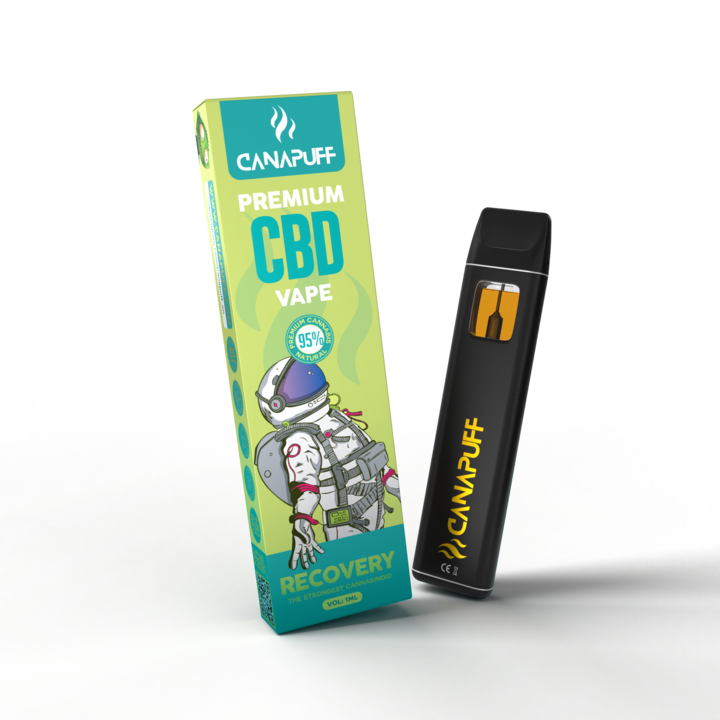
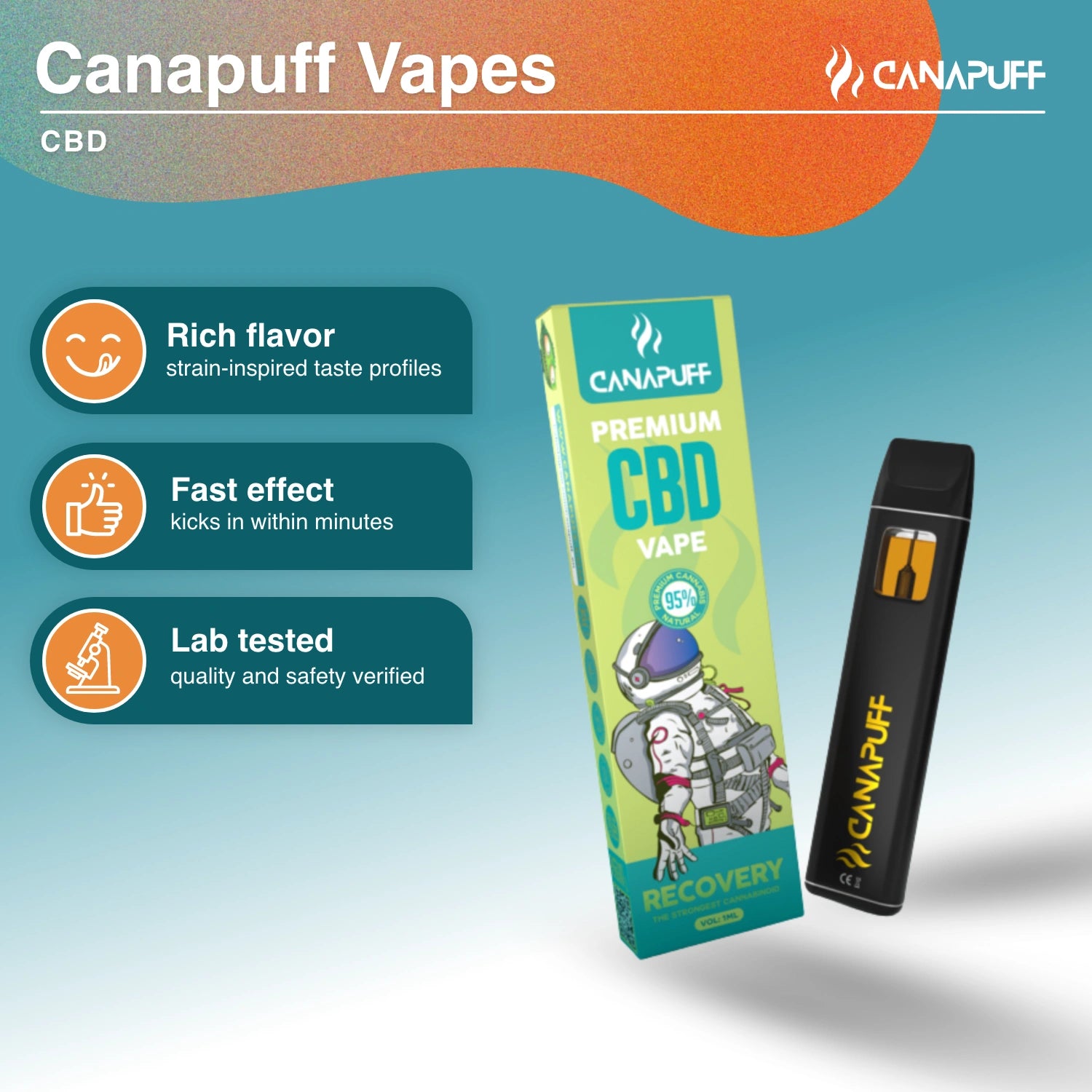
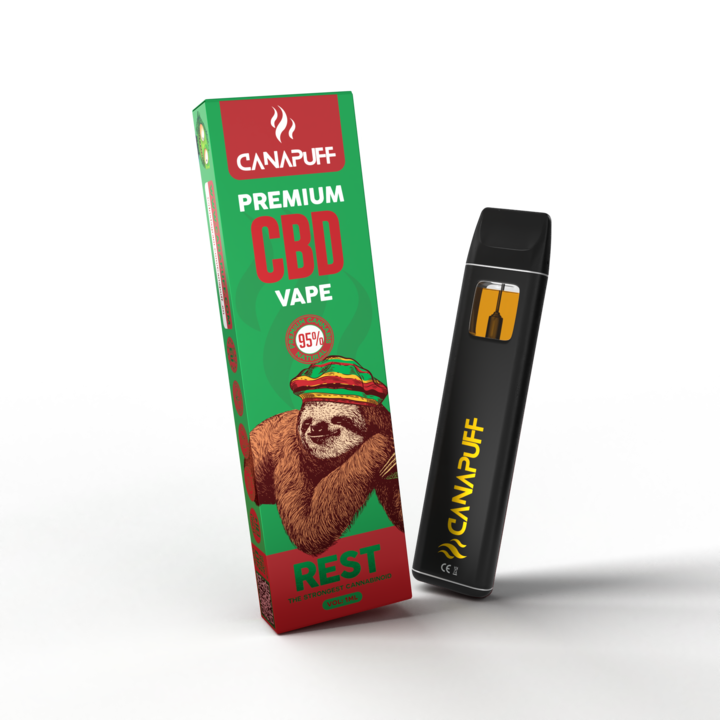
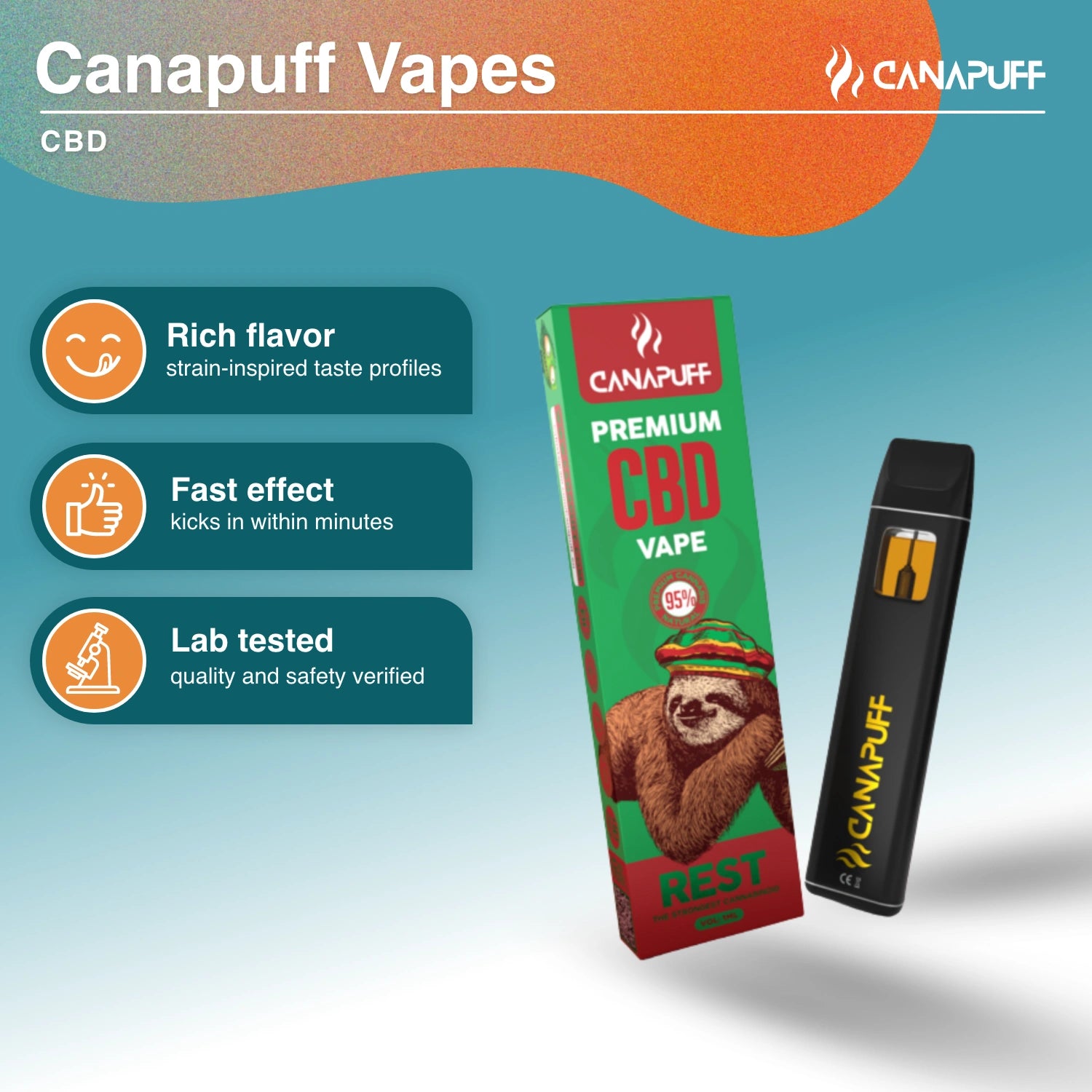
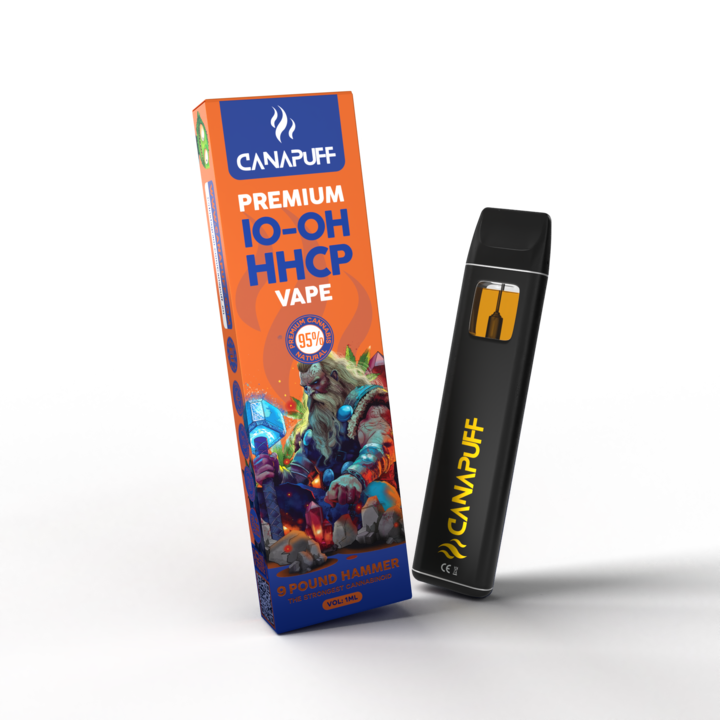
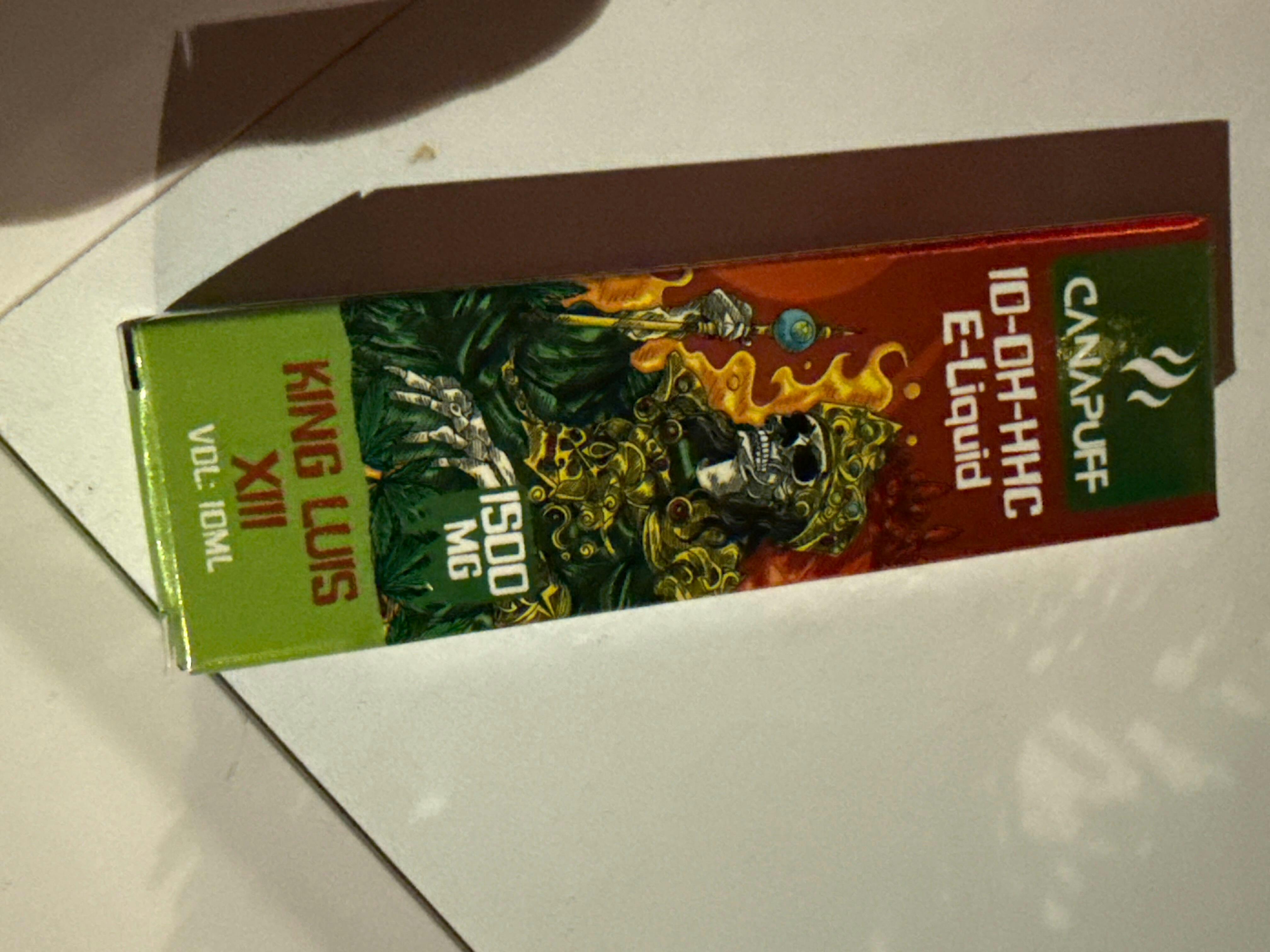
For Canapuff's vape cartridge collection, effects typically begin within minutes and reach peak at 15-30 minutes, providing relatively rapid feedback that helps users control dosage.
The Science: Why Certain Effects Happen
THC and the CB1 Receptor
When you consume cannabis, THC crosses the blood-brain barrier and binds to CB1 receptors-cellular receptor sites throughout the nervous system. This binding initiates a cascade of neurological changes:
- Dopamine release: THC triggers dopamine release in the reward center, creating euphoria
- Altered neurotransmission: Communication between neurons changes, affecting cognitive function
- Temporal lobe effects: Time perception alteration occurs in the hippocampus and temporal areas
- Sensory processing: Sensory cortex changes amplify sensory perception
- Motor cortex influence: Changes in movement-related areas explain impaired motor coordination
This receptor system evolved to respond to endocannabinoids-your body's natural cannabis-like chemicals. THC essentially hijacks this system, which is why effects spread across so many domains.
For scientific context on cannabis pharmacology, see Wikipedia's THC effects overview.
Frequently Asked Questions
How long does it take to feel high after smoking?
Effects typically begin within 2-10 minutes of smoking or vaping. Some experienced users notice effects within 1-2 minutes, while others may take 15 minutes. Peak effects arrive at 15-30 minutes. This rapid onset allows users to "titrate" their dose-consuming incrementally and stopping when desired effects are reached.
Does how does being high feel change the next day?
The psychological experience of being high completely resolves within 4-8 hours. However, some residual cognitive effects may persist longer: subtle memory impairment, delayed reaction times, or mild grogginess can remain 12-24 hours after consumption, particularly with heavy edible use. The subjective "high" feeling completely resolves relatively quickly.
Can you build tolerance to being high?
Yes, significantly. Regular users experience diminished subjective high sensation despite consuming equivalent THC amounts. Interestingly, tolerance to the euphoric "high" develops faster than tolerance to pain relief or other therapeutic effects. Users often continue consuming to achieve the functional benefits they initially sought for the euphoria.
Why do some people not feel high their first time?
First-time users frequently report minimal effects, which researchers attribute to "reverse tolerance" or lack of learned recognition. Users may lack the neurological pattern recognition to interpret initial effects as being high. Alternatively, they may need "smoking technique" learning-inefficient smoking reduces THC absorption. Typically, second or third use produces more pronounced effects.
What does a bad high feel like and how do I stop it?
A bad high involves anxiety, paranoia, panic, or hallucinations. To manage it: move to a safe, familiar environment with trusted people; remind yourself effects are temporary and will resolve; stay hydrated and eat light food; use CBD if available (it reduces THC anxiety); practice grounding techniques or deep breathing. Effects naturally resolve within hours. If experiencing severe panic or physical symptoms (chest pain, seizure), seek emergency medical help.
Why do I feel high when I didn't smoke?
Several explanations: placebo effect (expectation creates perceived high sensations), secondhand smoke in enclosed spaces (may contain enough THC for subtle effects), anxiety symptoms mimicking intoxication, or misinterpreted normal physical sensations. Less commonly, you may have consumed edibles unknowingly or in higher amounts than realized, with delayed onset.
Does how does being high feel different for men and women?
Research suggests differences. Women may experience stronger effects at equivalent doses due to differences in body composition and metabolic processing. Menstrual cycle timing may influence sensitivity. However, individual variation exceeds gender-based patterns-some women experience milder effects than some men at identical doses. Personal tolerance and body chemistry matter more than gender.
Can you overdose on marijuana and what does that feel like?
Cannabis overdose is physically non-fatal but psychologically distressing. Excessive THC consumption creates severe anxiety, paranoia, hallucinations, rapid heartbeat, and potentially psychotic symptoms. Management: recognize you're not in medical danger; move to safe environment; focus on breathing; use CBD or CBD-containing products if available; seek emergency help only if experiencing severe physical symptoms. Tolerance and experience reduce overdose risk significantly.
How does the high feel different between strains with different THC percentages?
A 20% THC strain produces noticeably milder effects than a 30% THC strain consumed in equivalent amounts. The difference between 25% and 35% THC is substantial-peak effects feel roughly 40% stronger at the higher potency. However, consumption method, individual tolerance, and strain genetics matter as much as raw THC percentage.
Why does my high feel different each time?
Multiple factors influence consistency: appetite and digestion (affects edible absorption), hydration status, sleep quality, stress levels, recent food consumption, whether you've consumed alcohol, individual day-to-day neurochemistry variation, and even time of day. Cannabis effects amplify these variations, making each session somewhat unique despite using identical products.


Laisser un commentaire
Ce site est protégé par hCaptcha, et la Politique de confidentialité et les Conditions de service de hCaptcha s’appliquent.