


Što je THCX? Istraživanje tetrahidrokanabinola i njegovih varijanti

Što je THCX? Istraživanje tetrahidrokanabinola i njegovih varijanti – Canapuff
Pablo VegaCBD Expert and content writer for Canapuff.
Cannabis has long been a subject of interest in both recreational and medicinal contexts, with its primary psychoactive compound, tetrahydrocannabinol (THC), at the center of research and public discussion. In recent years, THCX, a term used to describe various forms and metabolites of THC, has gained attention, particularly due to the diverse forms of THC and its complex Učinaks on the human body. In this blog, we’ll explore what THCX is, its various forms, the key differences in its metabolites, and the therapeutic and harmful Učinaks it can have on the body.

The Basics: What is THC?

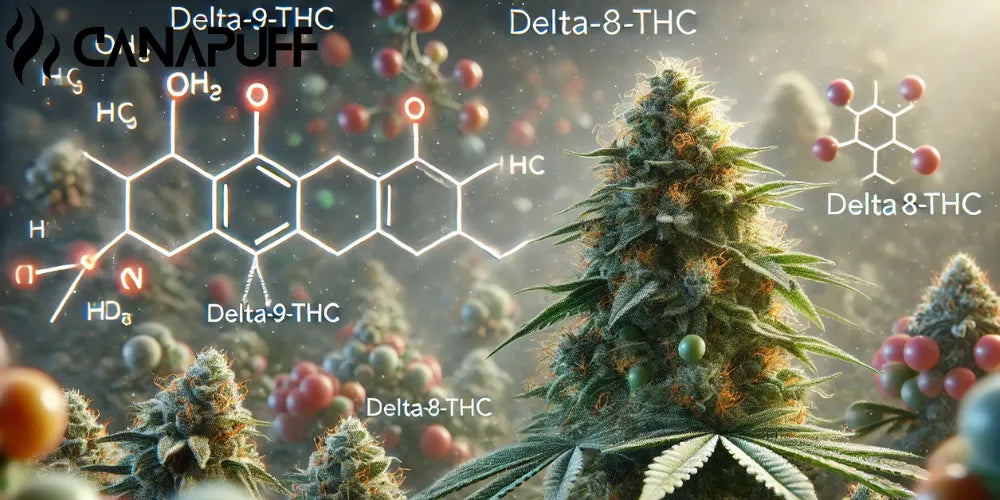
THCX - chemische Struktur von Tetrahydrocannabinol mit Varianten zur Erklärung der Wirkungsweise

THC, or tetrahydrocannabinol, is the primary psychoactive cannabinoid found in the cannabis plant. It is responsible for the “high” associated with marijuana and is the main active ingredient in cannabis-based products. THC works by interacting with the body’s endocannabinoid system, primarily targeting the CB1 receptors in the brain, which are involved in various physiological processes such as mood, memory, and appetite. When consumed, THC activates these receptors, leading to its psychoactive Učinaks. There are different forms and metabolites of THC that may impact the body in varying ways. One of these forms is THCX, which generally refers to the broader family of THC metabolites, including both delta-9-THC (the most common form) and its derivatives like delta-8-THC and various others. Let’s dive deeper into these forms and how they differ.

The Different Forms of THC: Delta-9, Delta-8, and Beyond

While delta-9-THC is the most well-known and researched form of THC, it’s not the only one. Cannabis contains over 100 cannabinoids, each with unique properties and Učinaks. Other notable forms of THC include delta-8-THC and delta-10-THC, both of which have been gaining Beliebtity in recent years for their psychoactive Učinaks and therapeutic benefits.

Delta-9-THC (The Standard THC)

Delta-9-THC is the most commonly encountered form of THC and the primary compound responsible for the psychoactive Učinaks of cannabis. It’s the active ingredient that is most often discussed in cannabis-related research and product development. It is found naturally in the cannabis plant and is typically consumed through smoking, vaping, or edible products. Potency: Known for its potency, with THC content in cannabis Cvijet ranging from 10% to 30% depending on the strain. Učinaks: Euphoria, relaxation, altered time perception, and increased appetite. It may also cause anxiety or paranoia in some individuals, especially at higher doses.

Delta-8-THC (A More Subtle High)

Delta-8-THC is chemically similar to delta-9-THC, but with a slight difference in the arrangement of atoms. This minor change results in different Učinaks on the body. Although delta-8 is psychoactive, it is considered less potent than delta-9. Source: While it occurs naturally in cannabis, delta-8 is typically synthesized from CBD derived from hemp, as it’s present in only trace amounts in the cannabis plant itself. Učinaks: Known for producing a smoother, more clear-headed high compared to delta-9. It can also have anxiolytic (anxiety-reducing) Učinaks and is less likely to cause paranoia. Legal Status: Delta-8 has gained attention due to its legal gray area, being derived from hemp, which is federally legal in many jurisdictions. However, the legality of delta-8 varies by state.

Delta-10-THC (Less Known, But Growing in Beliebtity)

Delta-10-THC is another less common isomer of THC that has recently gained traction for its mild psychoactive Učinaks. Like delta-8, delta-10 is typically synthesized from CBD. Učinaks: Known for inducing a more uplifting and energizing Učinak compared to delta-9 or delta-8, making it a Beliebt choice for daytime use. It’s less potent than delta-9 and tends to be more relaxing and functional for users seeking a milder experience.

THCX and Its Metabolites: The Complex Chemistry Behind the High

THCX - verschiedene Cannabisprodukte die Tetrahydrocannabinol enthalten und deren Anwendungsmöglichkeiten

When delta-9-THC is consumed, it is metabolized in the body, primarily through the liver, where it undergoes various chemical transformations. The resulting metabolites, including THC-COOH, are non-psychoactive but are essential in testing for cannabis use in drug screenings. THCX can refer to these various THC metabolites, which can have an impact on drug tests and the overall experience of cannabis use.

THC Metabolism and Its Implications for Drug Tests

Upon consumption of cannabis, delta-9-THC is broken down into several metabolites, the most notable being THC-COOH (tetrahydrocannabinol carboxylic acid). These metabolites are stored in the fat cells of the body, and they are gradually released over time. THC-COOH is what drug tests typically detect. It can remain in the body for days to weeks, depending on the user’s frequency of use, metabolism, and fat content. Drug Testing: Standard drug tests look for the presence of THC-COOH in urine, saliva, or blood. It is important to note that delta-8-THC and delta-9-THC metabolites may both show up on tests, depending on the sensitivity and specificity of the test.

Short-Term and Long-Term Učinaks of THCX

The Učinaks of THCX, which encompass delta-9-THC and its various metabolites, can vary widely depending on the individual, the amount consumed, and the method of consumption. Here, we’ll explore the short-term and long-term Učinaks of THC on the body.

Short-Term Učinaks

The short-term Učinaks of THC consumption are often the most noticeable, particularly with high doses. They include: Cognitive Alterations: Impaired Coordination: THC can slow motor functions and impair coordination, making it difficult to perform tasks that require precision (e.g., driving). Memory Impairment: Short-term memory can be affected, making it harder to retain new information. Iskrivljeno vrijeme: Česta nuspojava Učinak je iskrivljen osjećaj vremena, gdje minute mogu djelovati kao sati. Promjene raspoloženja: Opustanje: Mnogi korisnici prijavljuju osjećaj smirenosti i opuštenosti nakon konzumacije THC-a. Povećana anksioznost: U većim dozama, THC može uzrokovati anksioznost, napadaje panike ili paranoju, posebno kod onih koji su skloni takvim osjećajima. Euforija: Osjećaj “higha” često prati pojačan osjećaj sreće ili euforije kod većine korisnika. Fizički Učinci: Povećan puls: THC može povisiti broj otkucaja srca, što može potrajati nekoliko sati. Povećan apetit: Poznat kao “munchies”, THC pojačava želju za hranom, često dovodeći do prejedanja. Suha usta i oči: THC može uzrokovati suhoću u ustima i očima, što nekima može biti neugodno.

Dugoročni Učinci

Kod česte i dugotrajne upotrebe, THC može imati niz dugoročnih Učinci na tijelo. Ti Učinci mogu varirati od osobe do osobe, ali sljedeći su najčešće povezani s produženom konzumacijom: Kognitivni problemi: Gubitak pamćenja: Dugotrajna upotreba THC-a može dovesti do kroničnih problema s pamćenjem, osobito s kratkoročnim pamćenjem i zadržavanjem novih informacija. Poteškoće s učenjem: Cannabis se povezuje s otežanim učenjem i usvajanjem novih informacija kroz vrijeme. Respiratorni problemi: Funkcija pluća: Pušenje Cannabis redovito može narušiti funkciju pluća, slično kao i pušenje duhana, što može dovesti do kroničnog bronhitisa, kašlja i infekcija pluća. Opstrukcija dišnih puteva: Neki dugogodišnji pušači imaju poteškoće s disanjem, posebno ako imaju i druge respiratorne probleme. Psihijatrijski Učinci: Psihoza: Dugotrajna upotreba visokih doza THC-a Cannabis povezuje se s povećanim rizikom od razvoja psihoza, posebno kod osoba s genetskom predispozicijom. Depresija i anksioznost: Kod nekih osoba, dugotrajna upotreba THC-a može pogoršati osjećaje depresije i anksioznosti, što može dovesti do poremećaja raspoloženja. Cannabinoid Hyperemesis Syndrome (CHS): CHS je stanje koje karakteriziraju jaka povraćanja i mučnina kod kroničnih korisnika Cannabis. Smatra se da nastaje zbog dugoročnog Učinci THC-a na probavni sustav.

Pravni okvir za THCX

THCX - Forschungsergebnisse zu Tetrahydrocannabinol und seinen Effekten auf den menschlichen Körper

Korištenje Cannabis i njegovih derivata, uključujući THCX, strogo je regulirano i razlikuje se ovisno o zemlji. U nekim regijama, upotreba Cannabis je potpuno legalizirana za medicinsku i rekreativnu upotrebu, dok je drugdje strogo zabranjena. Uvijek provjeri lokalne zakone prije razmatranja upotrebe Cannabis Proizvodi, jer kršenje može dovesti do pravnih posljedica. Medicinska upotreba: U mnogim mjestima, THC i njegovi derivati dostupni su za medicinsku upotrebu uz recept. Ovi Proizvodi koriste se za liječenje stanja poput kronične boli, mučnine (posebno kod pacijenata s rakom) i mentalnih poremećaja poput PTSP-a. Rekreativna upotreba: Legalizacija Cannabis za rekreativnu upotrebu širi se kroz razne američke savezne države i zemlje diljem svijeta. I dalje vrijede ograničenja poput dobne granice i mjesta konzumacije.

Zaključak: Budućnost THCX-a i istraživanja Cannabis

Svijet THCX-a i njegovih različitih oblika još je uvijek u razvoju. Iako je THC jedan od najistraživanijih kanabinoida, rastući interes za delta-8-THC i druge varijante otvara nove mogućnosti za medicinske i rekreativne korisnike Cannabis. Kako se provodi više istraživanja o terapijskim Učinci THC-a, njegovim rizicima i metabolitima, dobit ćemo jasniju sliku o njegovom stvarnom potencijalu i utjecaju na zdravlje. Ako razmišljaš o konzumaciji Cannabis, važno je biti informiran o Učinci, pravnim aspektima i mogućim rizicima povezanim s THC-om. Ako imaš bilo kakve brige o tome kako Cannabis može utjecati na tvoje zdravlje, uvijek se posavjetuj s liječnikom.
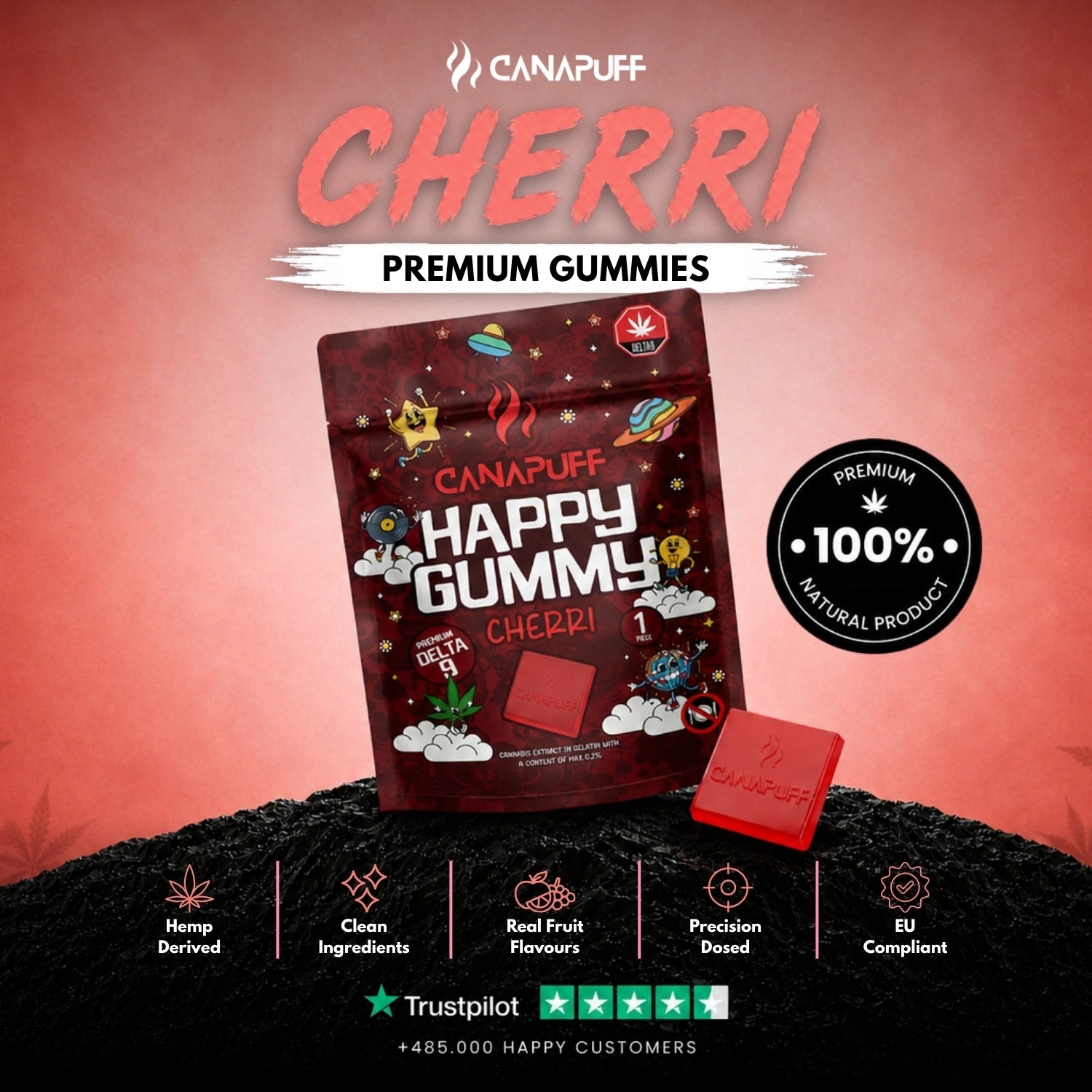
Delta 9 Gummy Trešnja

Delta 9 Gummy Trešnja

Ideal for beginners

Try it now