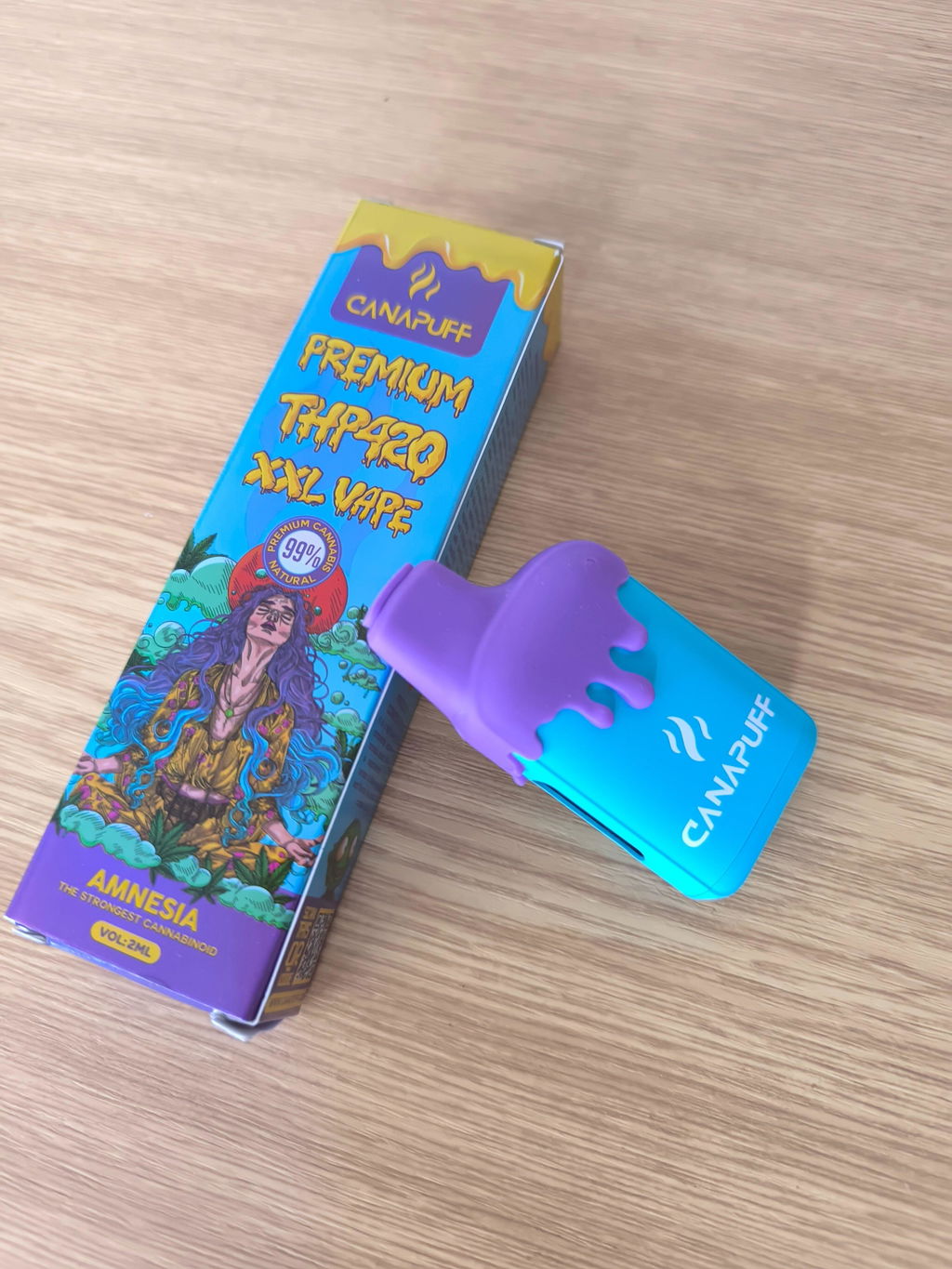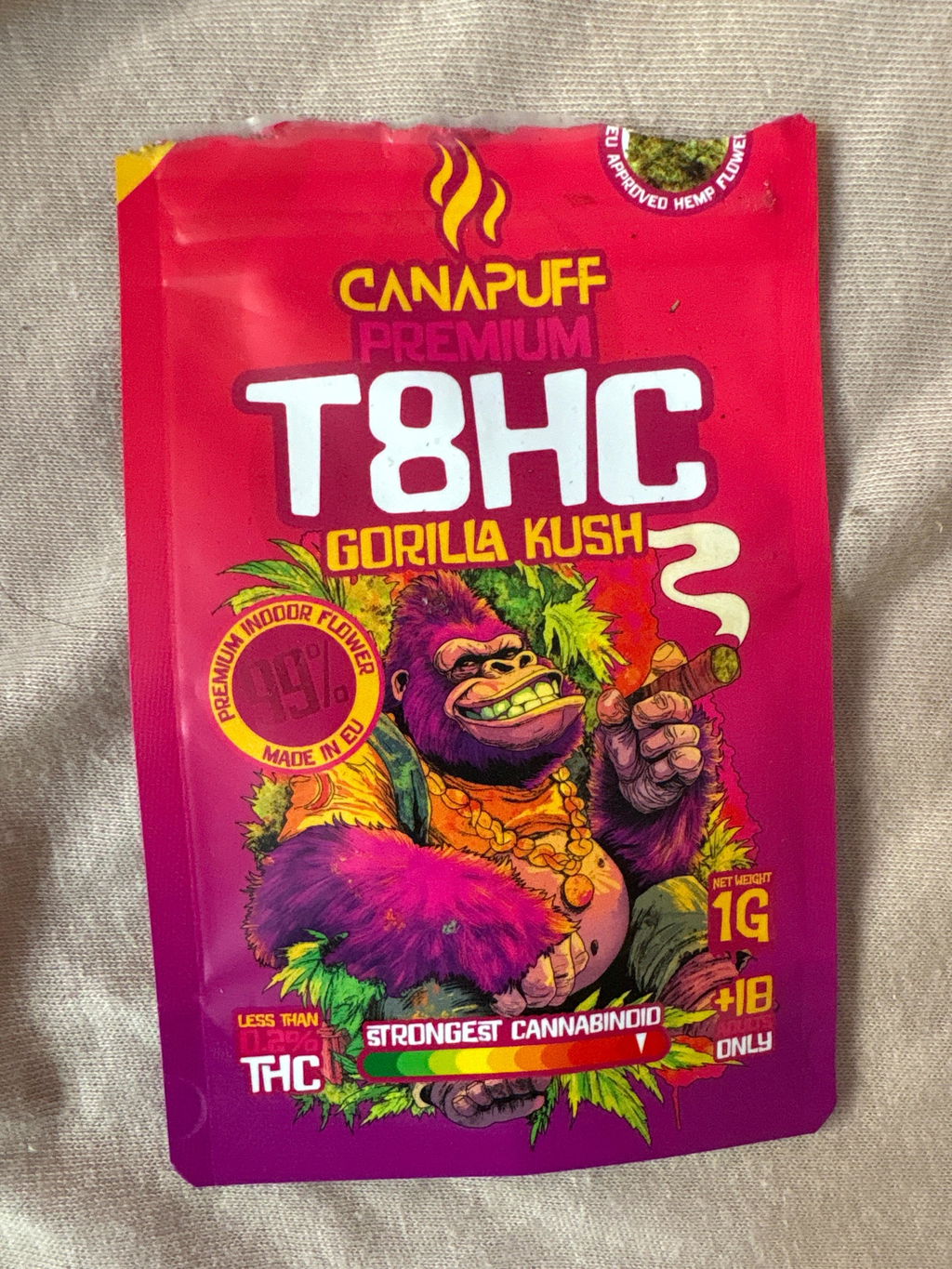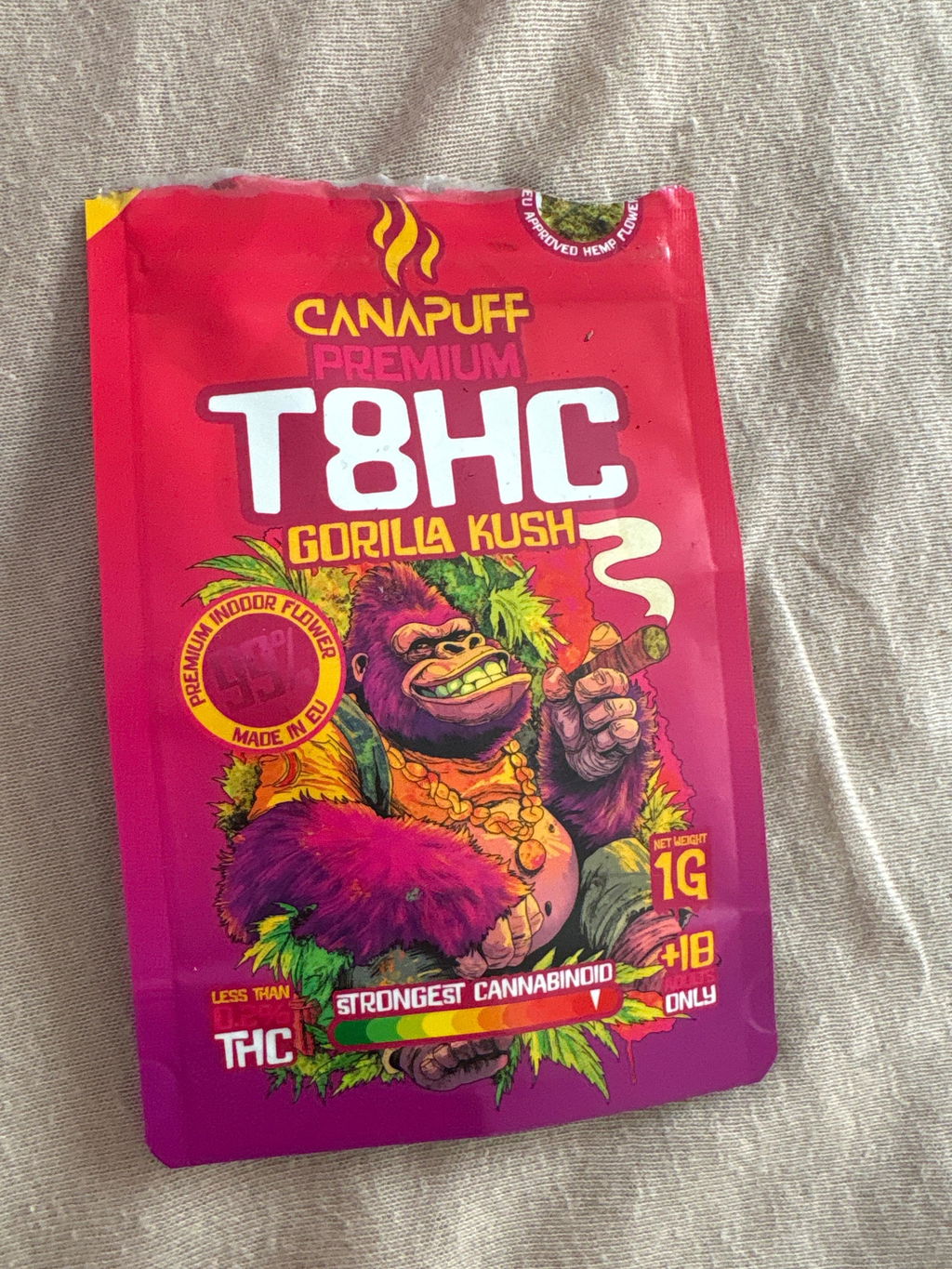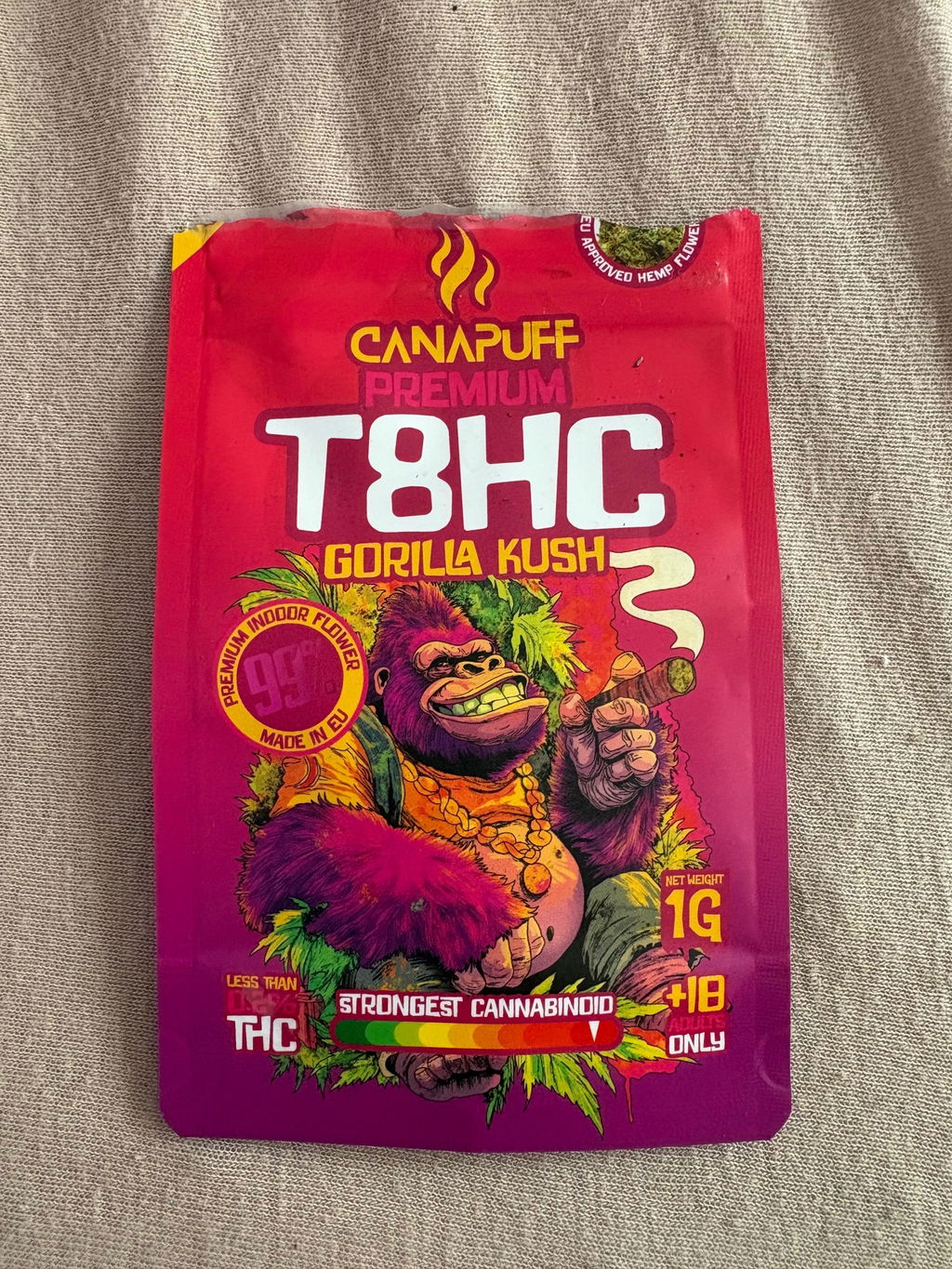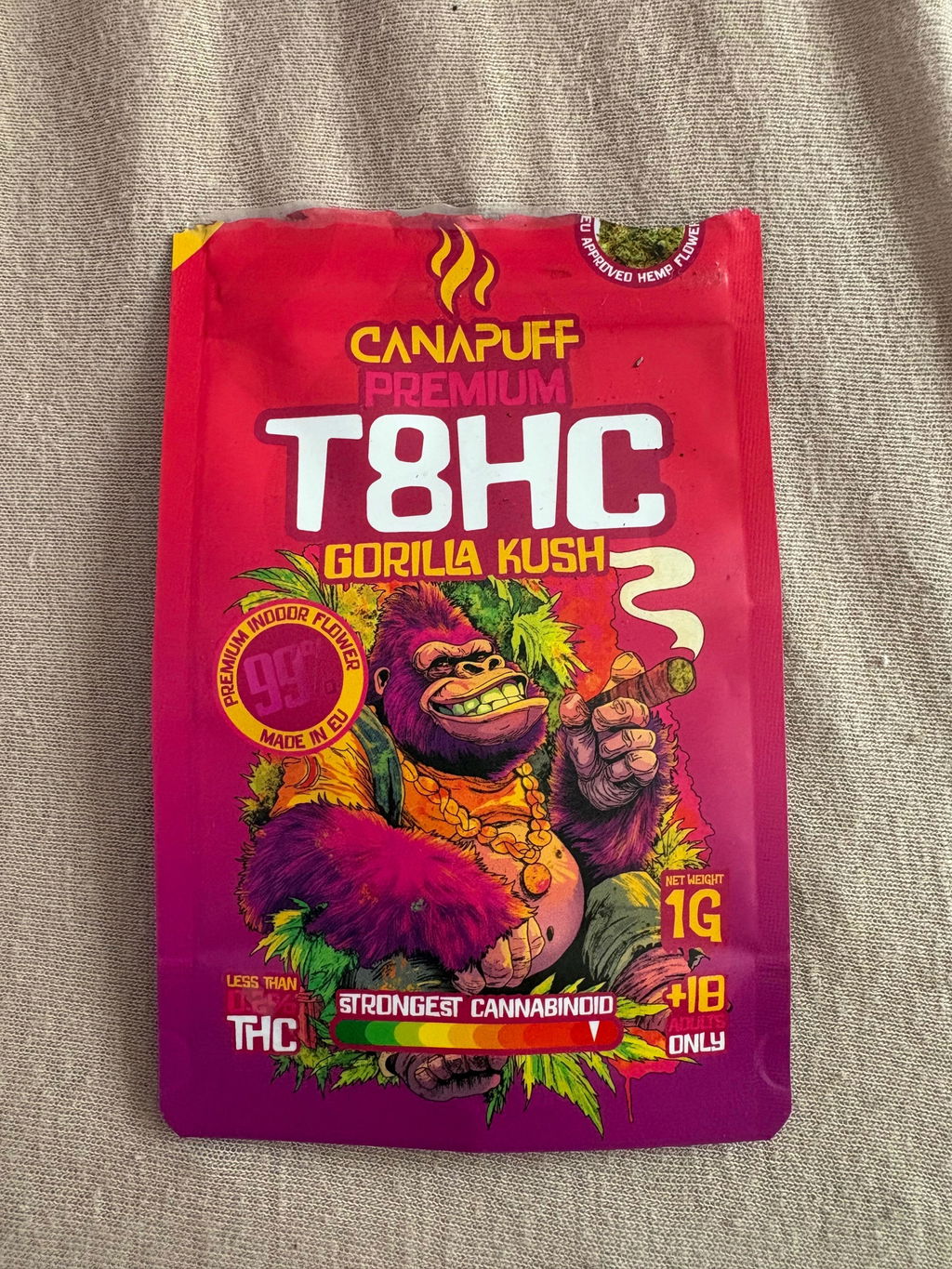



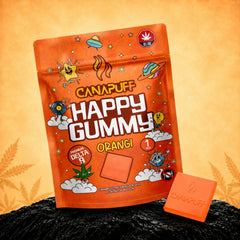


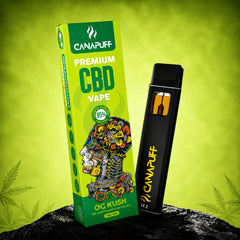




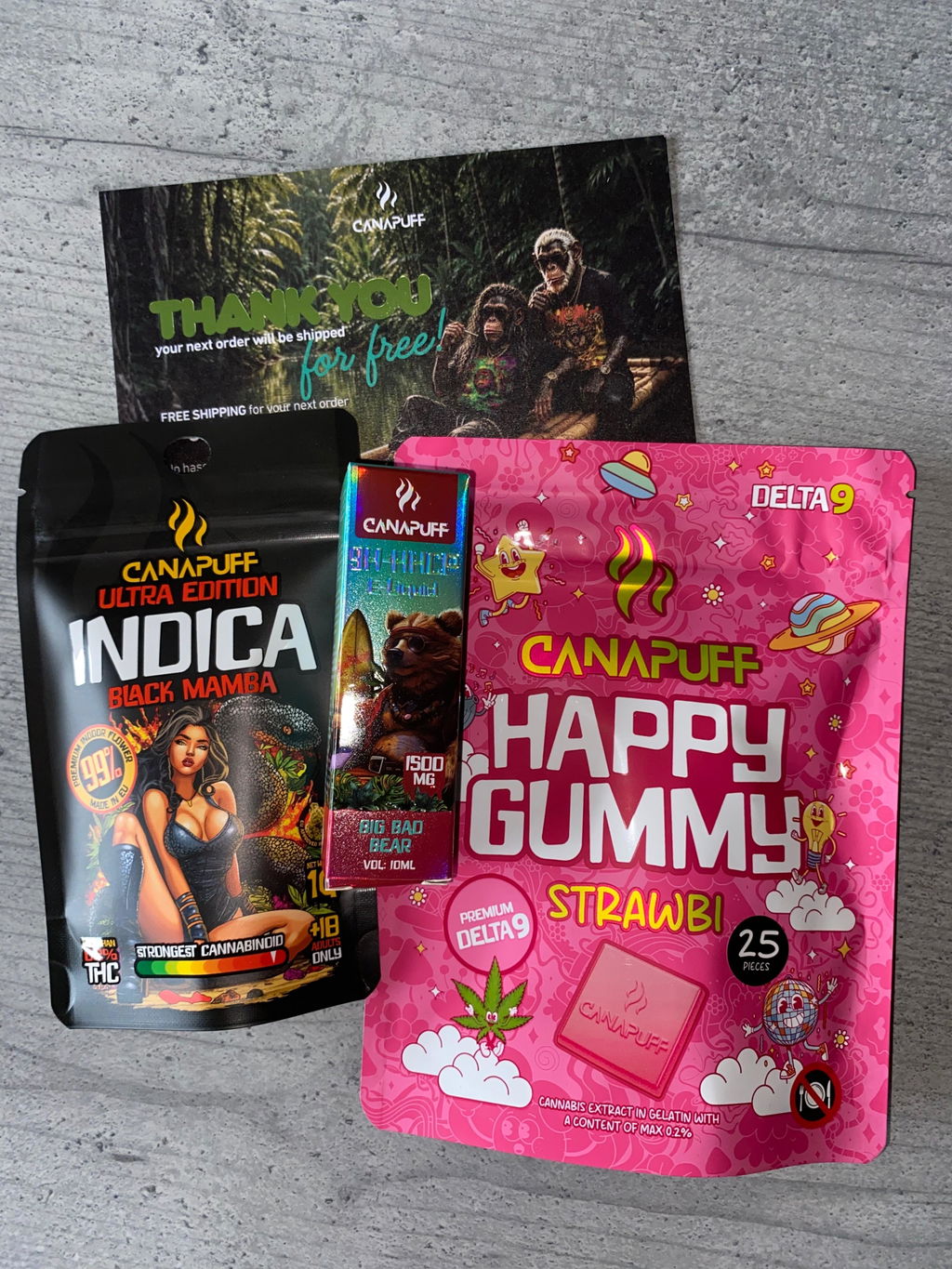
It’s really strong and gives you awesome chill after a long day.
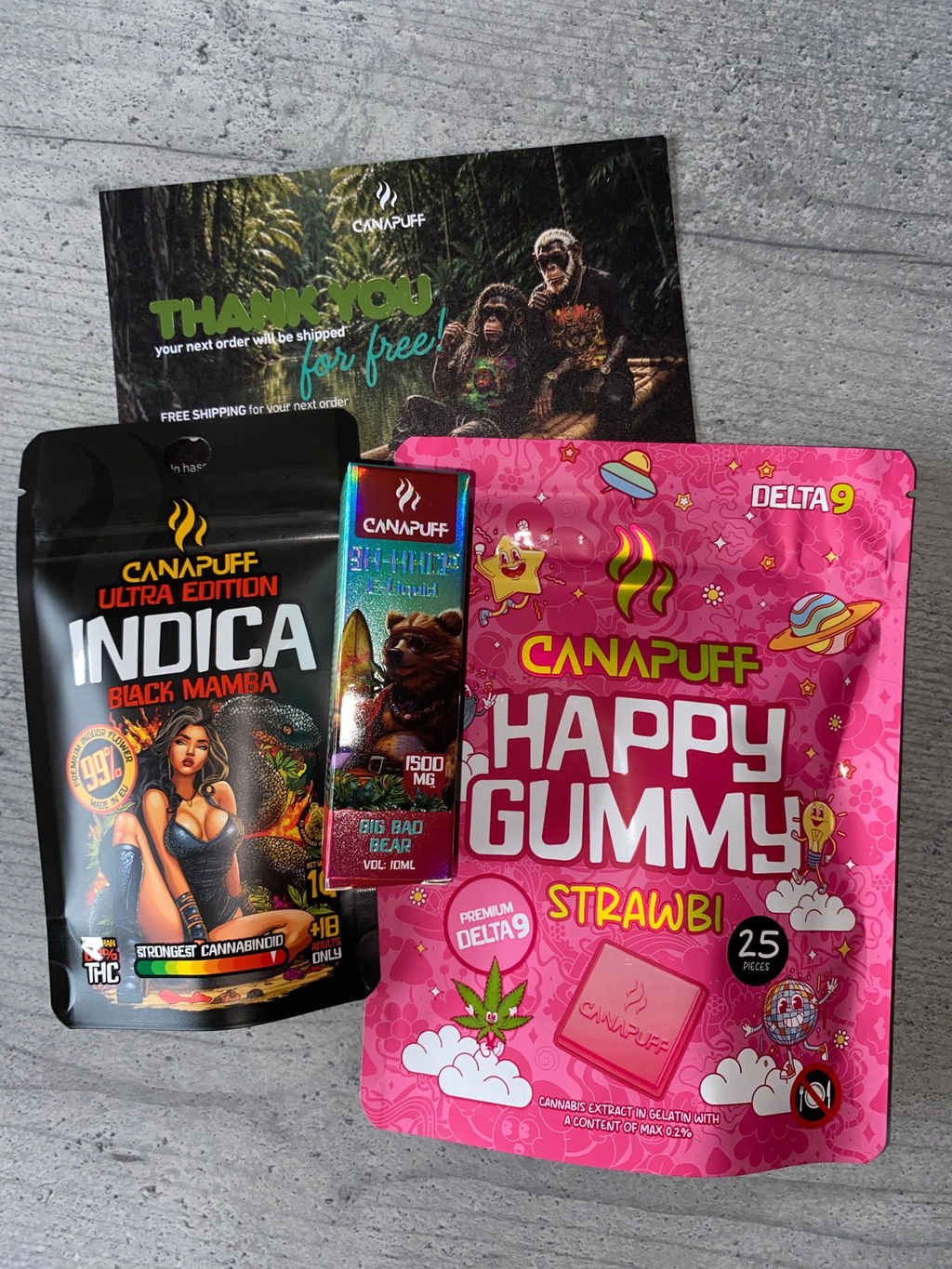
Gummies are Good for the beginners but if you try one and take a few puffs it’s really good. :)



 Hemp massage oil Cannasex - Canalogy
 Body oil for relaxing massage with cannabis, 150 ml - Palacio
 3in1 Hemp shower gel for men, 500ml - Palacio
 Pump 3in1 Hemp shower gel for men, 500ml - Palacio
 Hemp hair shampoo, 250 ml - Palacio
 Hemp toothpaste HEMP & DENT, 75ml - Palacio
 Traditional Tiger Aromatherapy Ointment with CBD - Canalogy
 Tiger Massage Gel Forte with Cannabis, 175 ml - Palacio
Different rules apply to THC and CBD in France.
Cannabis containing THC is a classified narcotic, and its use is a criminal offence under Article L3421-1 of the French Public Health Code (Code de la santé publique). This is based on the 1970 Narcotics Act. The only lawful exceptions are THC-containing medicines with a marketing authorisation and the medical-cannabis scheme described below.
CBD products, on the other hand, are legal if they contain no more than 0.3% THC. This rule was confirmed by the French Council of State (Conseil d'État) in 2022.
| THC cannabis | CBD products | |
|---|---|---|
| Legal? | No | Yes, up to 0.3% THC |
| Legal basis | 1970 Narcotics Act, Art. L3421-1 | Decree of 30 December 2021 |
| Sale | Not permitted | In CBD shops, pharmacies, and online |
| Penalty for possession | Up to 1 year in prison and a €3,750 fine; a first minor offence is usually settled with a fixed fine of €500 | None |
The 0.3% THC limit came about after a lengthy legal dispute.
The 1970 law generally banned the possession, cultivation, sale, and consumption of cannabis.
At the end of 2021, a new decree established that CBD products are permitted up to 0.3% THC. At the same time, CBD flower and hemp leaves were meant to be banned. In January 2022, however, the French Council of State struck down that ban. The court ruled that CBD is not intoxicating and is not addictive. As a result, CBD flower may be sold as long as it stays within the THC limit.
Cannabis containing THC remains illegal to possess in France, even in small amounts for personal use, this is separate from the CBD rules above. Since 2019, however, first-time cases involving a small quantity are usually processed through a simplified fixed fine instead of a full criminal trial. This faster procedure does not change the legal status: THC cannabis stays illegal. It only changes how a minor case is handled.
Here's how it typically works:
These amounts changed in August 2026. The "loi RIPOST" (loi n° 2026-798 du 18 août 2026) was definitively adopted on 21 July 2026, reviewed by the Conseil constitutionnel on 14 August 2026, published in the Journal officiel on 19 August 2026 and came into force on 20 August 2026.
What it changed for drug use:
Please read this carefully before you act on it: cannabis and CBD law changes regularly across Europe, and enforcement can vary by region even when the written law does not. This article reflects the legal situation at the time of writing. Before you order products, travel with them, or make any decision based on this information, check the current status yourself through an official source the national gazette, the relevant ministry, or a licensed local lawyer rather than relying only on this page or on any other single website. This article explains the legal background; it does not replace individual legal advice.
CBD flower, CBD oils, hash, and foods containing CBD may be sold if:
Manufacturers, however, may not make medical health claims, since CBD is treated as a consumer product in France, not a medication.
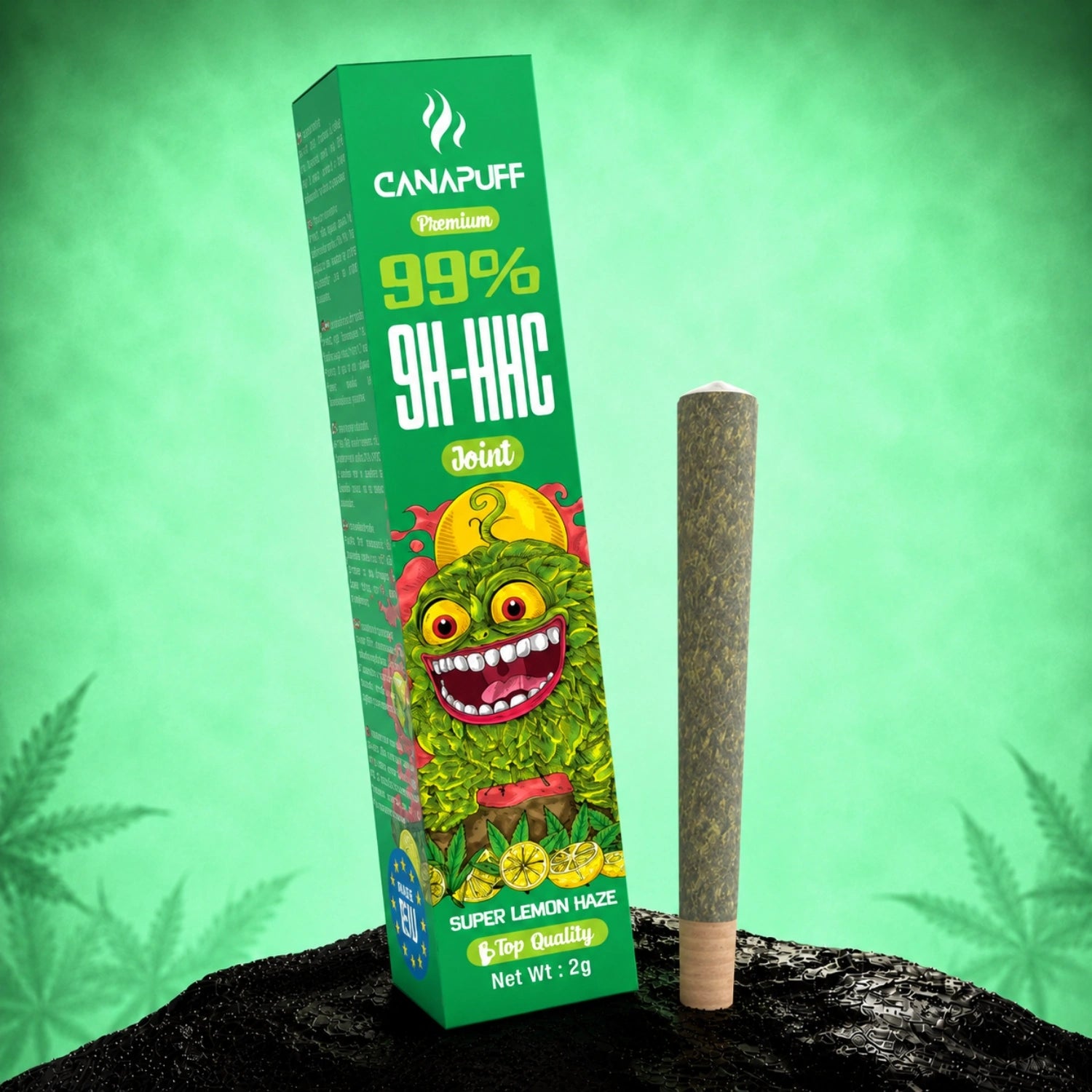
HHC is not legal. The French medicines agency (ANSM) classified HHC, HHCO and HHCP as narcotics by a decision of 12 June 2023, effective 13 June 2023.
On 3 June 2024 the ANSM extended that classification to further semi-synthetic cannabinoids, including H4CBD, H2CBD, HHCPO and THCP.
Production, sale, and possession of all of these are therefore prohibited in France, whatever their THC content.
France ran a medical-cannabis experiment that ended on 31 December 2024. No new patients have been enrolled since 27 March 2024.
Since then, roughly 700 patients already in the scheme have continued treatment under a transitional arrangement. That arrangement was originally due to expire on 31 March 2026 and has been extended; it now runs until three months after the French health authority (HAS) publishes its opinion, a date that has not yet been fixed.
The permanent framework is not yet in force. The implementing texts were notified to the European Commission in March 2025 and the reimbursement decree went to the Conseil d'État on 2 July 2026; the HAS opinion is expected in autumn 2026.
The scheme covers conditions such as chronic pain and severe epilepsy and always requires a doctor's prescription. These rules have nothing to do with the regulations for CBD or recreational cannabis.
If you're looking for products that are clearly legal in France, Canapuff offers exclusively CBD products with a maximum of 0.3% THC.