






































Table of contents
- How Does the Cannabis Plant Produce THC? ›
- How Does THC Work in the Brain and Body? ›
- THC in scientific research ›
- What Are the Risks or Side Effects of THC? ›
- How Does THC Differ from CBD? ›
- How Long Does THC Stay in the Body? ›
- What Is the Legal Status of THC? ›
- How Can You Use THC Responsibly? ›
- What Is the Future of THC Research? ›
- Conclusion: Discover THC Products You Can Trust ›
- Works Cited ›
THC, short for delta-9-tetrahydrocannabinol, is the main psychoactive compound found in the cannabis plant. It is responsible for the "high" or euphoric feeling commonly associated with cannabis use. This compound interacts with specific receptors in the brain and nervous system that regulate mood, perception, and pain.
THC occurs naturally in the cannabis sativa plant, especially in its resin-rich flowers. It can be extracted and infused into oils, edibles, or vaping products, offering consumers multiple ways to experience its effects safely and conveniently.
How Does the Cannabis Plant Produce THC?
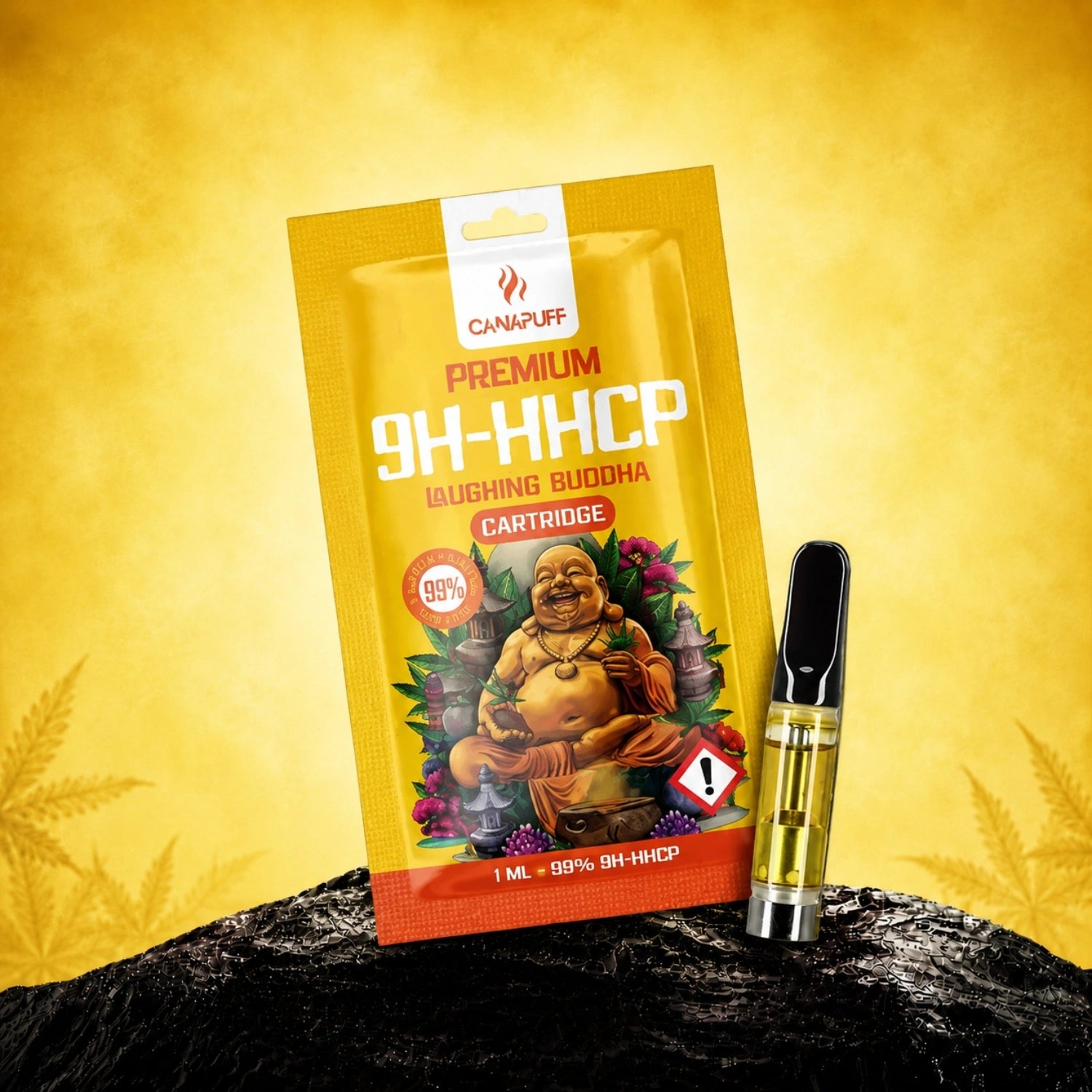
The cannabis plant produces over one hundred cannabinoids, and THC is one of the most active. Female cannabis plants are particularly rich in THC. Through modern extraction methods, THC is refined into products such as oils, tinctures, edibles, and gummies-like those found in Canapuff's Psychoactive Collection.
These refined cannabis-derived products allow for more precise dosing and controlled effects compared to raw flower use.
How Does THC Work in the Brain and Body?
When THC enters the bloodstream, it binds to cannabinoid receptors located throughout the body. These receptors are part of the endocannabinoid system, which helps control mood, appetite, and memory. By activating these receptors, THC influences how neurons communicate, creating effects such as relaxation, altered perception of time, and enhanced sensory awareness.
Common effects include:
- A sense of euphoria or calm
- Altered perception and focus
- Increased appetite
- Relaxation or sleepiness
However, higher doses may cause side effects such as anxiety or impaired coordination. Responsible use and proper dosage are key to a safe experience.
THC in scientific research
THC is the subject of ongoing scientific research, and its legal status differs from country to country.
For a calm, mellow experience, explore Canapuff's For Relax Collection.
What Are the Risks or Side Effects of THC?
While many users find THC beneficial, it can also produce unwanted effects, especially in high doses or when used frequently. Common side effects may include:
- Dizziness or short-term memory loss
- Anxiety or paranoia
- Increased heart rate
- Mild dependency with long-term heavy use
Individuals taking other medications or those who are pregnant should avoid THC unless approved by a healthcare professional.
How Does THC Differ from CBD?
THC and CBD (cannabidiol) are both cannabinoids, but they interact differently with the brain:
- THC produces psychoactive effects.
- CBD does not cause a "high" and is often used for relaxation.
Both compounds may complement each other, balancing intensity and improving overall effects when used together in balanced formulations.
How Long Does THC Stay in the Body?
THC is fat-soluble, meaning it is stored in body fat and released slowly over time. After consumption, it can remain detectable for several days or even weeks depending on dosage and metabolism. Its duration of effects varies:
- Vaping or smoking: fast onset, shorter duration.
- Edibles or gummies: slower onset, longer-lasting effects.
What Is the Legal Status of THC?
THC legality varies widely across countries. Some regions permit limited THC use for medical or recreational purposes, while others restrict it entirely. Canapuff complies with local and European regulations, ensuring all THC and hemp-derived products meet safety and quality standards. Always check your local laws before purchasing or consuming THC products.
How Can You Use THC Responsibly?
To use THC safely:
- Start with low doses and monitor effects.
- Choose verified, lab-tested products.
- Avoid mixing THC with alcohol or medications without professional advice.
- Store products securely away from children and pets.
Canapuff's Bestsellers Collection includes trusted, quality-controlled THC and cannabinoid products designed for relaxation, balance, and mood support.
What Is the Future of THC Research?
Researchers continue to study how THC works in the body. As legalization expands and scientific understanding deepens, new formulations and delivery methods are expected to improve both safety and effectiveness.
Conclusion: Discover THC Products You Can Trust
THC remains one of the most researched and discussed compounds in modern wellness. Its effects highlight how powerful the cannabis plant can be when used responsibly. For trusted, quality-controlled cannabis-derived products, explore Canapuff's collections including:
- Bestsellers
- Psychoactive Cannabinoids
- For Relax
- Kratom
- Nicotine Vape
Works Cited
National Institute on Drug Abuse. "Marijuana Research Report." NIH.gov, 2024.Food and Drug Administration. "FDA Regulation of Cannabis and Cannabis-Derived Products." FDA.gov, 2024.National Center for Complementary and Integrative Health. "Cannabis (Marijuana) and Cannabinoids." NCCIH, 2024.Pharmaceutical Press. "Clinical Uses of Cannabinoids." Pharmaceutical Journal, 2023.