



Índice
- What Is Lion's Mane Mushroom?
- How Lion's Mane Works
- What Is Reishi Mushroom?
- Primary Benefits of Reishi
- Reishi vs Lion's Mane: The Key Differences
- Reishi and Lion's Mane Together: The Synergistic Benefits
- Lion's Mane, Cordyceps, and Reishi Benefits: The Ultimate Trio
- How to Use Reishi and Lion's Mane Together
- Best Formats for Taking Them
- Timeline: When You'll Notice Benefits
- Safety and Contraindications
- Frequently Asked Questions
Reishi and lion's mane together create one of nature's most complementary supplement combinations. While lion's mane specializes in brain function and cognitive clarity, reishi supports immune resilience and stress management. When taken as a stack, these two medicinal mushrooms amplify each other's benefits through what researchers call a "synergistic effect"-meaning their combined power exceeds what either mushroom could achieve alone. Understanding how reishi and lion's mane work together helps you optimize their use for mental performance, emotional balance, and overall wellness.
This pairing represents one of the few mushroom combinations where individual strengths become exponentially more powerful when merged. Rather than merely adding effects, the synergy between reishi and lion's mane creates a balanced ecosystem of support that addresses modern life's demands on both mind and body.
What Is Lion's Mane Mushroom?
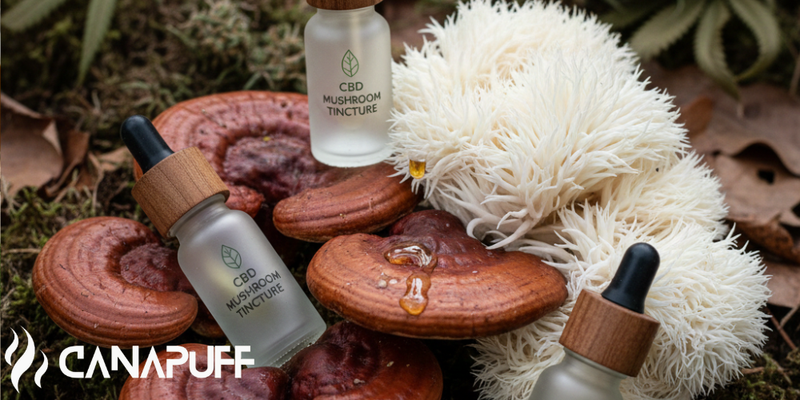
Lion's mane (Hericium erinaceus) is a white, cascading mushroom with a distinctive appearance that inspired its name. Unlike culinary mushrooms you'd cook with, lion's mane functions as a nootropic-meaning it's specifically recognized for supporting brain function and cognitive performance.

How Lion's Mane Works
The brain-boosting properties come from active compounds called hericenones and erinacines. These compounds stimulate the production of nerve growth factor (NGF), a protein essential for neuron health and development. When NGF levels increase, your brain can build new neural connections more efficiently, improving how neurons communicate.
This mechanism is particularly valuable because neuroplasticity-the brain's ability to form new neural pathways-tends to decline with age. Lion's mane essentially helps counteract this natural decline by encouraging your brain to rewire itself toward optimal function.
Another way to find spectacular benefits for the body like this are our Canalogy Oils.
Primary Benefits of Lion's Mane
- Enhanced cognitive function: Improved memory recall, sharper mental clarity, and stronger focus
- Learning capability: Better information retention and faster processing speed
- Mental resilience: Stronger emotional regulation and improved mood stability
- Neurological support: Potential protection against age-related cognitive decline
Research from clinical studies indicates that lion's mane may improve cognitive function in older adults with mild memory loss. Additionally, preclinical research shows it supports nerve regeneration and may help neurons recover from damage.
What Is Reishi Mushroom?
Reishi (Ganoderma lucidum), often called the "mushroom of immortality" in traditional medicine, is a woody, fan-shaped fungus that's been used in Asian cultures for over 2,000 years. Unlike lion's mane's brain-focused action, reishi operates as a comprehensive adaptogen-helping your body manage stress and maintain balance across multiple systems.
How Reishi Works
Reishi's power comes from compounds including beta-glucans, triterpenes, and ganoderic acids. These bioactive molecules influence several body systems:
- Beta-glucans enhance immune cell activation and responsiveness
- Triterpenes calm the nervous system and reduce stress hormones
- Ganoderic acids reduce inflammation throughout the body
The cumulative effect is that reishi helps your body recognize and appropriately respond to stressors, whether physical, emotional, or environmental. This is why it's classified as an adaptogen-it adapts its effects based on what your body needs.
Primary Benefits of Reishi
- Immune strengthening: Enhanced white blood cell activity and improved immune resilience
- Stress reduction: Lower cortisol levels and improved nervous system regulation
- Sleep quality: Better sleep onset, deeper sleep cycles, and more restorative rest
- Emotional balance: Reduced anxiety and improved mood regulation
- Anti-inflammatory effects: Reduced systemic inflammation linked to chronic disease
Clinical studies show that reishi can reduce inflammation, enhance immune activity, and support emotional regulation. The combination of these effects creates what many users experience as a calming, grounding sensation.
Reishi vs Lion's Mane: The Key Differences
While both mushrooms support wellness, they operate through distinct mechanisms:
| Aspect | Lion's Mane | Reishi |
|---|---|---|
| Primary function | Brain/cognitive support | Immune/stress support |
| Key compounds | Hericenones, erinacines (NGF stimulators) | Beta-glucans, triterpenes (adaptogenic compounds) |
| Best timing | Morning (promotes alertness) | Evening (promotes relaxation) |
| Effect onset | 2-4 weeks of consistent use | 2-4 weeks of consistent use |
| Energy level | Mildly stimulating | Calming, grounding |
| Ideal for | Students, professionals, creative work | Sleep support, stress management, recovery |
| Interaction risk | None known | None known |
The most important distinction: reishi vs lion's mane isn't about which is "better," but rather how they address different needs. Lion's mane activates your mind; reishi soothes your nervous system.
Reishi and Lion's Mane Together: The Synergistic Benefits
How They Complement Each Other
When you combine reishi and lion's mane, you create a balanced formula addressing both performance and recovery. Here's how the synergy works:
Morning activation + evening restoration: Lion's mane enhances focus and mental clarity during the day, while reishi in the evening supports recovery, sleep quality, and emotional processing of the day's events.
Brain support + immune support: Lion's mane's nerve growth factor production supports neuron health, while reishi's immune enhancement protects the brain from age-related decline and neuroinflammation.
Stimulation without overstimulation: Lion's mane improves cognitive function without the jitteriness of stimulants. Reishi provides calming without sedation. Together, they create what users describe as "clear-headed calmness."
Specific Benefits of Taking Them Together
Cognitive function: Reishi and lion's mane together improve focus, memory, and learning capacity more effectively than either alone. The combined effect supports both the mechanisms that create neural connections (lion's mane) and the immune/inflammatory environment that allows those connections to thrive (reishi).
Stress response: Lion's mane supports emotional resilience through neuroplasticity improvements, while reishi directly regulates stress hormones. This two-pronged approach creates a more comprehensive stress-management strategy than either mushroom offers individually.
Sleep quality: This represents one of the most noticeable benefits of combining the two. Reishi promotes longer sleep and helps you fall asleep faster, while lion's mane supports stable circadian rhythms and REM sleep quality. Users often report sleeping through the night more consistently.
Immune resilience: The combination creates a more robust immune response. Lion's mane's neuroprotective effects support the nervous system's role in immune regulation, while reishi directly enhances immune cell activity. Together, they create stronger overall resilience.
For those interested in additional complementary mushrooms, Canapuff's mushroom and supplement information provides context on other functional options.

Lion's Mane, Cordyceps, and Reishi Benefits: The Ultimate Trio
Some users expand beyond just reishi and lion's mane to create a three-mushroom stack. Adding cordyceps to this combination creates additional benefits:
Cordyceps (Cordyceps sinensis) has been used for centuries in Asian cultures to stimulate energy, stamina, and athletic endurance. When combined with lion's mane and reishi, cordyceps add:
- Enhanced physical energy and ATP production
- Improved exercise endurance and recovery
- Reduced fatigue without stimulant effects
- Enhanced oxygen utilization
The lion's mane, cordyceps, and reishi benefits stack creates a comprehensive wellness formula addressing mental clarity (lion's mane), physical energy (cordyceps), and emotional/immune support (reishi).
How The Triple Stack Works
- Morning: Take lion's mane and cordyceps to enhance mental clarity and physical energy
- Evening: Take reishi to support recovery, sleep, and emotional processing
This timing optimization ensures you're not overstimulated in the evening while maximizing daytime performance and evening recovery.
How to Use Reishi and Lion's Mane Together
Dosage Guidelines
Research suggests effective dosages are:
- Lion's mane: 500-1,500 mg daily (typically 1,000 mg is standard)
- Reishi: 250-500 mg daily (extract form; less if using fruiting body)
Starting with the lower end and gradually increasing allows you to assess individual response before reaching optimal doses.
Optimal Timing Strategy
Morning routine: Take lion's mane with breakfast to enhance focus and alertness throughout the day.
Evening routine: Take reishi 1-2 hours before bedtime to promote relaxation and sleep quality.
This separation prevents any stimulating effects of lion's mane from interfering with reishi's relaxing properties. However, some users report benefits from taking both together, particularly if seeking sustained calm focus throughout the day.
Best Formats for Taking Them
Several delivery methods exist for mushroom supplements:
Dual-extracted tinctures: The most bioavailable form, using both water and alcohol extraction to capture all beneficial compounds. Typically faster-acting than other formats.
Capsules or powders: Convenient for daily routines but may take 4-6 weeks for full benefits to appear. Look for fruiting body extracts rather than mycelium-based products, as fruiting bodies contain higher concentrations of active compounds.
Mushroom-infused beverages: Some people incorporate mushroom powders into morning coffee or evening tea. This makes daily use more enjoyable for those who prefer food-based supplementation.
The quality matters significantly-look for products that specify:
- Fruiting body use (not mycelium)
- Dual extraction (for tinctures)
- Third-party lab testing
- Species-specific extracts
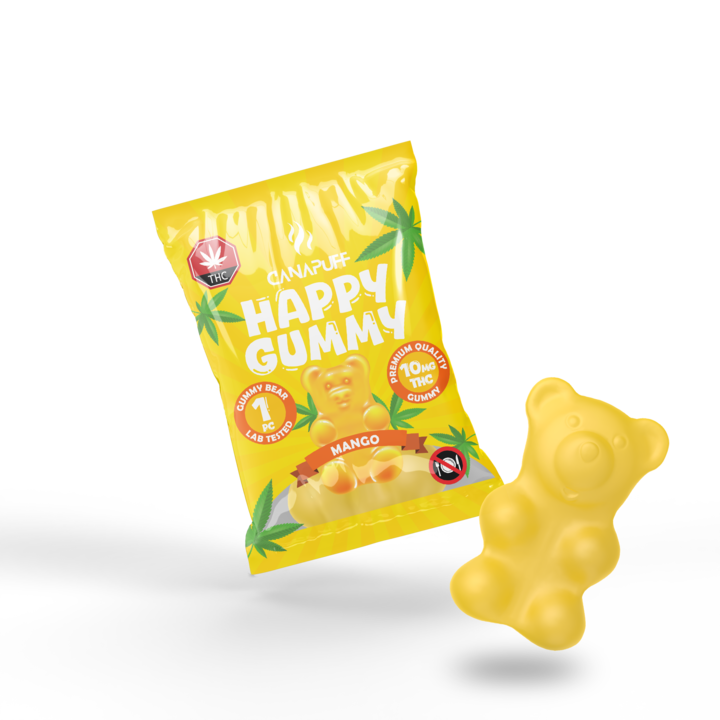
If you are looking for other types of edibles, you can always try our CBD gummies:






Timeline: When You'll Notice Benefits
Mushroom supplements differ from pharmaceutical interventions-they work gradually as their bioactive compounds accumulate in your system.
Weeks 1-2: Most users notice minimal effects during this period. Some report subtle improvements in sleep quality with reishi.
Weeks 2-4: Mental clarity begins improving with lion's mane. Reishi's calming effects become more noticeable. Sleep quality often improves measurably.
Weeks 4-8: Full benefits typically emerge. Users report sharper focus, better memory retention, improved stress resilience, and consistently better sleep.
Beyond 8 weeks: Benefits stabilize and continue improving gradually. Some users report that removing the supplements causes a noticeable decline in cognitive function, suggesting genuine neurological adaptation.
Consistency matters enormously. Missing doses regularly resets your progress. For optimal results, take the same dose at the same time daily.
Safety and Contraindications
Who Should Avoid Reishi and Lion's Mane
While generally safe for most people, certain groups should consult healthcare providers:
- Pregnancy and nursing: Limited safety data; consult a doctor before use
- Blood clotting disorders: Reishi has mild anticoagulant properties; avoid if on blood thinners
- Upcoming surgery: Stop use 2 weeks before surgery due to anticoagulant effects
- Autoimmune diseases: Reishi's immune enhancement could theoretically worsen some autoimmune conditions (consult doctor)
- Allergies to fungi: Obvious contraindication; mushroom allergies are rare but serious
Potential Side Effects
Both mushrooms are well-tolerated by most people. Rare side effects include:
- Mild digestive upset (usually resolves with food)
- Sleep disturbances if taking reishi too close to bedtime
- Mild headaches during initial use (typically temporary)
- Dizziness in sensitive individuals (very rare)
If you experience any adverse effects, reduce the dose and allow a few days before reassessing.
Drug Interactions
Reishi may interact with:
- Blood thinning medications (warfarin, aspirin)
- Blood pressure medications
- Diabetes medications
- Sedatives or sleep aids
Lion's mane has no known significant drug interactions, though it's theoretically possible to interact with medications affecting nerve function. Consult your healthcare provider if taking medications before starting mushroom supplements.

Frequently Asked Questions
Can I take reishi and lion's mane every day indefinitely?
Yes, both mushrooms are safe for long-term daily use. In fact, consistency is required to experience full benefits. Many users take them for years without developing tolerance or experiencing adverse effects. Unlike pharmaceutical stimulants, mushroom adaptogens work best through regular, sustained use.
Will reishi and lion's mane make me drowsy during the day?
No. Reishi is calming but not sedating, and most users don't experience daytime drowsiness. If you're sensitive to relaxing effects, take reishi only in the evening. Lion's mane is subtly stimulating and won't cause drowsiness at any time of day.
How much should I expect to spend on quality reishi and lion's mane supplements?
Quality varies considerably. Expect to pay $20-40 monthly for mid-range products, $40-60 for premium brands, and $60+ for high-end dual-extracted tinctures. Cheaper options often contain mycelium rather than fruiting bodies and deliver inferior results. Budget-conscious users can split the cost difference by using capsules (cheaper) rather than tinctures (more expensive but more bioavailable).
Can I build tolerance to reishi and lion's mane?
Building tolerance is uncommon with mushroom adaptogens. Most users maintain stable benefits indefinitely. However, some users report that taking periodic "breaks" (1 week per month off) helps maintain maximum effectiveness. This isn't necessary for most people but may help if you feel effects diminishing after extended use.
How do reishi and lion's mane compare to nootropic drugs or prescription stimulants?
Mushrooms work more subtly than prescription stimulants but without the crash, side effects, or dependency potential. They're not replacements for ADHD medications or antidepressants but work well as complementary support. The combination creates sustained, gentle cognitive enhancement rather than acute stimulation.
Can I take reishi and lion's mane with coffee?
Yes, absolutely. Many users combine them. Lion's mane complements coffee's stimulation, while reishi can mellow caffeine's edginess. However, if you're sensitive to caffeine, note that the combination may feel more stimulating than either substance alone.
Should I buy products combining reishi and lion's mane together, or purchase them separately?
Separate purchases offer better flexibility-you control individual dosages and timing (lion's mane in morning, reishi in evening). However, combination products offer convenience and often better pricing. If choosing combination products, ensure they contain fruiting body extracts, not mycelium.
How long does reishi and lion's mane stay in your system?
The bioactive compounds accumulate gradually over weeks, meaning benefits improve with sustained use. After stopping, most users maintain benefits for 2-4 weeks before noticing decline. This accumulation pattern differs from acute pharmaceuticals and explains why consistency matters more than dosage timing.
Do best reishi and lion's mane products need to be organic?
Organic certification indicates higher quality standards, but non-organic mushrooms can still be effective. More important than organic certification is third-party lab testing showing accurate cannabinoid content, absence of heavy metals, and presence of active compounds. Research the brand's testing practices rather than relying solely on organic labeling.
What's the difference between reishi and lion's mane extracts and whole-food mushroom powders?
Extracts concentrate active compounds, delivering more potent effects at smaller doses. Whole-food mushroom powders contain beneficial compounds but at lower concentrations, requiring larger doses. For serious supplementation, extracts offer better value and effectiveness, though some people prefer whole-food approaches for philosophical reasons.










Dejar un comentario
Este sitio está protegido por hCaptcha y se aplican la Política de privacidad de hCaptcha y los Términos del servicio.